Returnable transport item tracking
Track pallets, totes and containers through circulation, return and maintenance.
01 / THE OPERATING PROBLEM
Make the next
right action visible.
Returnable assets lose value when their location, ownership and maintenance status are unclear. RFID provides a durable identity across repeated journeys.
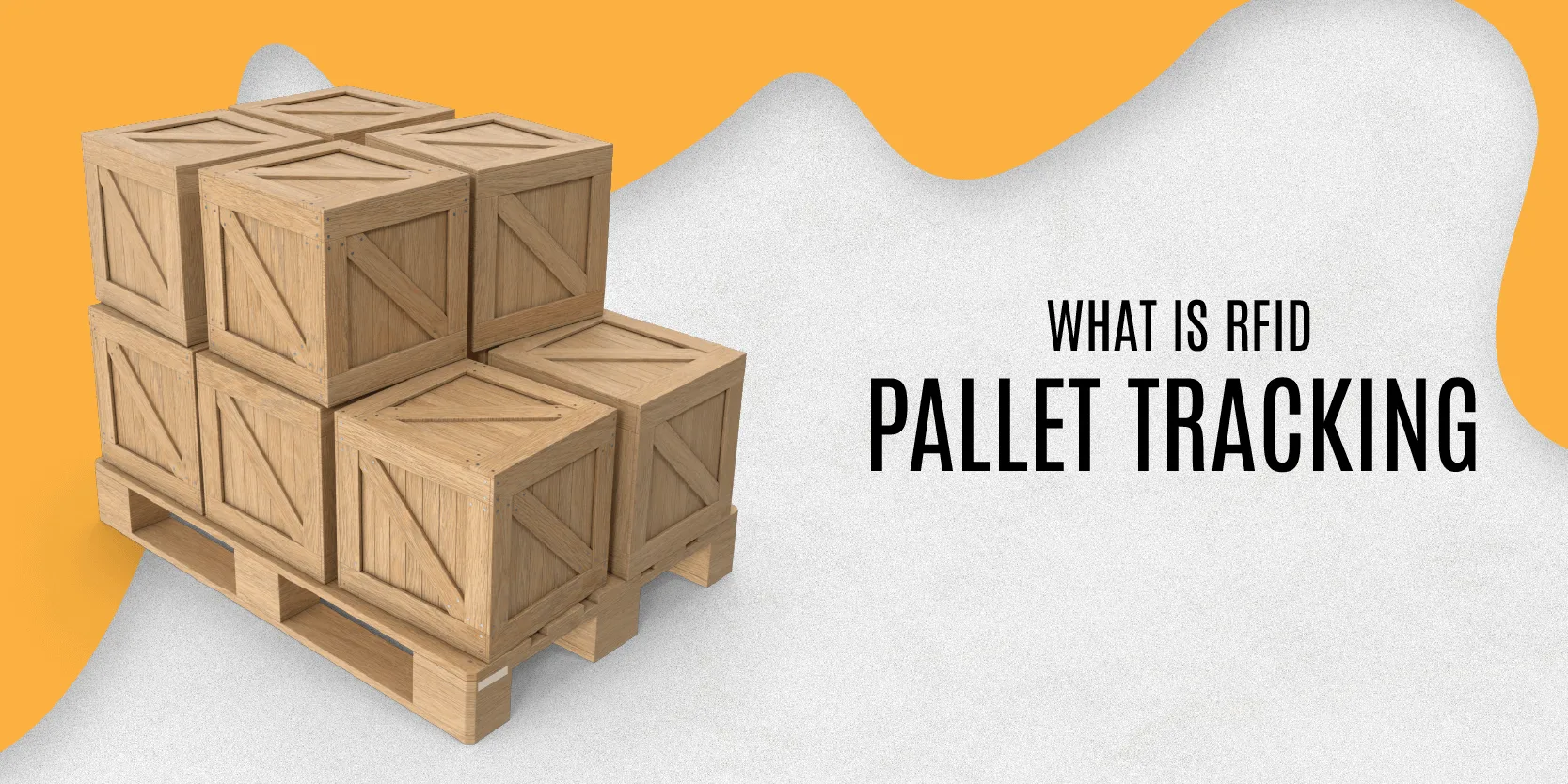
FIELD VIEW / RETURNABLE ASSETS
Keep the pool
moving with context.
A returnable-asset workflow connects each dispatch, receipt, return and maintenance event to the pool record the team needs to act on.
- Identify pallets, totes and containers at the pool level
- Capture dispatch, receipt and return handoffs
- Route damaged or overdue assets to maintenance
02 / THE RFID WORKFLOW
Four moments.
One connected record.
Tag the pallet, tote or container
Define the identity and the point where it enters the workflow.
Capture dispatch, receipt and return events
Capture a repeatable event with enough context to trust the result.
Reconcile shortages by partner or lane
Capture a repeatable event with enough context to trust the result.
Send damaged items to maintenance
Route the confirmed event to the system and person who acts on it.
03 / OPERATING SCOPE
Start with the
event, not the device.
A useful solution brief makes the item, event, system handoff and evidence visible before a configuration is selected.
Reusable pallets, totes, containers or transport assets moving between dispatch, receipt and return points.
Dispatch, receipt, pool transfer, return, inspection or maintenance event for the reusable unit.
A movement and condition event to the pool, logistics or partner data record.
A route test across representative units, partner handoffs, damaged-item handling and return reconciliation.
FIELD QUESTIONS
- Agree on the reusable-unit identity and partner handoff definitions.
- Test tag attachment through the expected return, cleaning and repair cycle.
- Separate a read at a site from confirmed custody acceptance.
- Record partner exceptions and pool reconciliation before wider rollout.
04 / THE SYSTEM
Build around
the point of work.
Start with the read event and its purpose. Then select the tag, reader, antenna and software that support that event in the real environment.
Durable on-metal or embedded tags
Specified around the item, environment and operating step.
Dock-door or handheld reader
Specified around the item, environment and operating step.
Directional antennas
Specified around the item, environment and operating step.
TMS, WMS or pool-management integration
Specified around the item, environment and operating step.
05 / SOFTWARE & INTERFACES
Make the read
mean something.
Sends asset and movement events into pool, transport, warehouse or partner reconciliation systems.
Learn more06 / TEST METHOD
Measure the
uncertainty.
We evaluate tag position, container stacking, dock geometry, weather exposure, read speed and the required partner handoff.
- Representative materials and item mix
- Read range, speed and false-read checks
- Operator workflow and exception path
07 / DEPLOYMENT
Start with
one proven zone.
Pilot a lane or pool, agree on event ownership with partners, validate loss reporting and replicate the accepted read-zone design.
08 / WHAT GOOD LOOKS LIKE
Evidence your
team can use.
Better circulation visibility and a cleaner basis for pool recovery, partner accountability and maintenance planning.
見積を依頼09 / FAQ
Questions worth
asking early.
Yes, when the tag design and embedding position are validated with the tote material and expected read direction.
It can, provided partners agree on event definitions, reader points, data exchange and exception ownership.
RFIDBRIDGE / NEXT STEP
Ready to test
the real thing?
Bring a representative item, a read target and the system that should receive the event.
サンプルを依頼