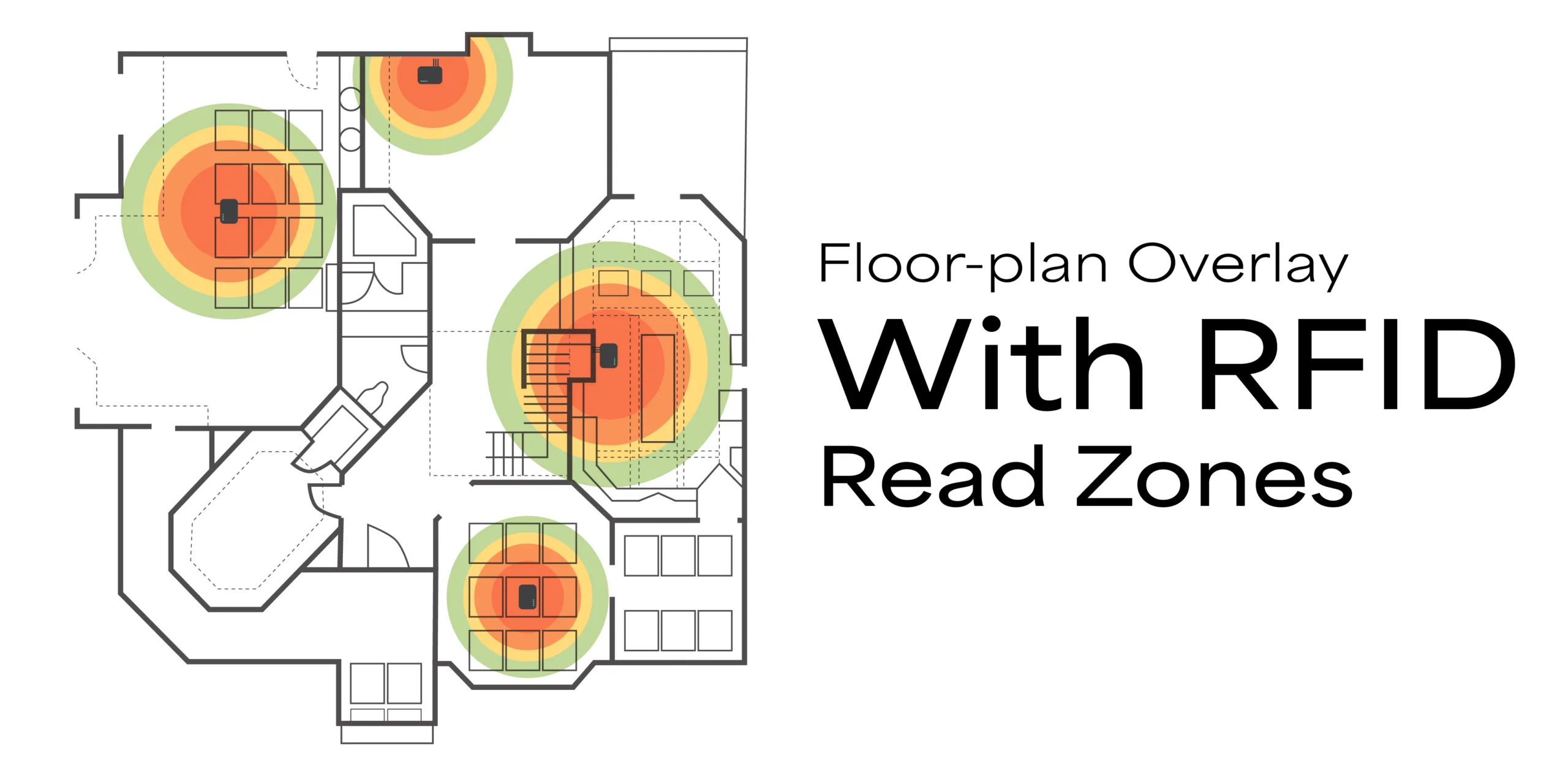
Solution design turns a reader and tag into a controlled operating system. Write the event, zone and recovery path before finalizing the bill of materials.
01 / 現場ノート
Write the event model
Name the identifier, location, time, trigger, business action and exception state. This gives operations and IT a shared definition of success.
02 / 現場ノート
Shape the read zone
Use movement, tag direction, antenna position, mounting, power, triggers and physical separation to make the intended event distinguishable.
03 / 現場ノート
Connect the configuration chain
Treat tag placement, reader, antenna, cable, trigger, processing rule and system handoff as one design. A compatible list of parts does not prove that the chain produces the intended event.
04 / 現場ノート
Design the exception path
Specify the response to a missing, duplicate, unexpected or delayed read. The operator needs an action and the system needs an auditable status.
05 / 現場ノート
Plan support and change
Assign ownership for configuration, software, network, physical installation, training and acceptance. Define which site, item or workflow changes require a new test.
06 / 現場ノート
Create the baseline
Keep the selected tag, reader, antenna, settings, application version, test conditions and acceptance result together so the design can be supported and replicated.
材料、動線、目標の読み取り、システム要件をサンプル依頼・見積依頼に含めてください。
Request a sample test