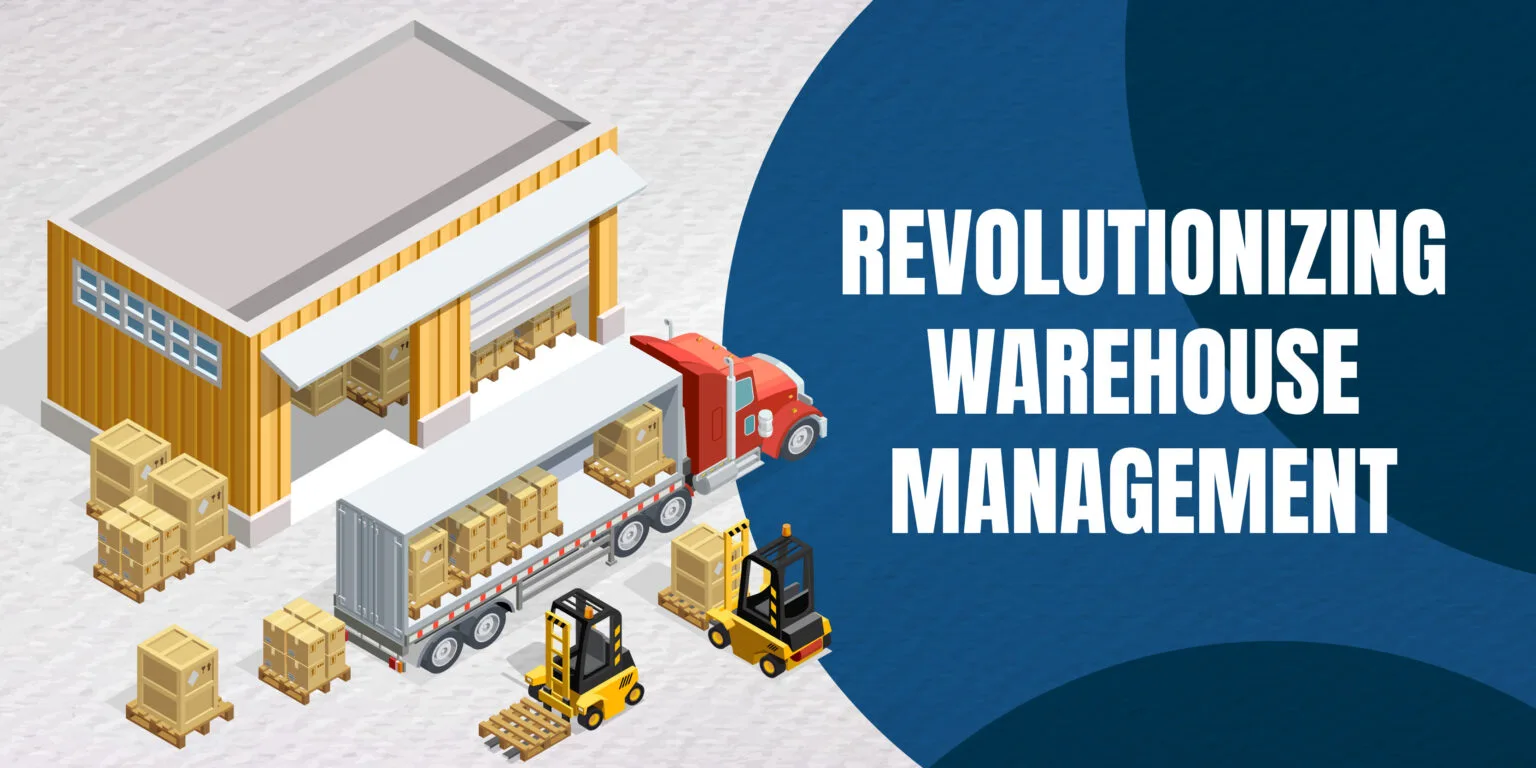
Receiving, picking, dispatch and asset control all depend on knowing which specific thing moved. A shared identity across those processes is what makes the record continuous rather than departmental.
01 / FIELD NOTE
Keep the decision tied to the operating context.
A warehouse runs on several processes that were often designed separately: goods in, put-away, storage, picking, packing, dispatch, and the equipment that moves things between them. Each has its own paperwork and its own idea of what a unit is. Where those ideas disagree, the record breaks at the boundary between them, and the break is invisible because each process reconciles correctly within itself.
A shared item identity is what closes those boundaries. If the thing that arrives, the thing that is stored, the thing that is picked and the thing that is dispatched all refer to the same identifier, then the record is continuous across the whole flow and a movement can be followed from end to end. If each stage identifies the goods its own way, the record is a set of fragments that happen to share a warehouse.
Standards are what make that identity portable rather than proprietary. Passive UHF systems implement the ISO/IEC 18000-63 air interface, published as GS1 UHF Gen2, and the Electronic Product Code carried in the tag provides a standards-based way to identify products, unit loads and locations. A label applied by a supplier can then be read by a receiver without either party having agreed anything beyond the standard.
Granularity is the decision that shapes everything downstream. A tag on a pallet answers questions about pallets. A tag on each carton answers questions about cartons and can be aggregated to say something about the pallet. A tag on each unit is the only level at which the record can speak about individual items, and it costs the most in labels and application. Choosing the coarsest level that answers the questions the operation actually asks keeps the cost proportionate to the value.
Receiving is where identity begins and where its quality is set. Reading goods against the expected document confirms what arrived; recording the identity of what arrived is what allows every later question to be answered. A receiver that confirms a quantity and discards the identities has produced a count rather than a record, and nothing later in the flow can recover the detail that was dropped.
Put-away connects identity to location, and this is the step that makes stock findable rather than merely present. A unit whose last known location is recorded can be searched for; a unit that was only counted as present cannot. The value of reading a location label as well as the goods at the moment of placement is that the item-to-location relationship is captured by the act of putting away rather than by a later reconciliation.
Picking and packing are where identity has to be verified rather than merely recorded. Confirming the picked items against the order before sealing catches the errors that a quantity check cannot: the right quantity of the wrong item, the right item in the wrong condition, the right item belonging to a different order. Identity is what makes those distinguishable.
Dispatch is the point where the record becomes a commitment, and it is where a false event does the most damage. Goods recorded as departed while still staged near the door are removed from availability and counted as fulfilled. Reading at the control point rather than in the vicinity is what separates a genuine departure from a read of something that has not left yet.
Equipment and returnable assets belong in the same identity scheme rather than beside it. Pallets, roll cages, tote boxes and handling equipment move through the same building and are lost in the same ways, and the questions asked of them — where is it, how many are here, has it come back — are the same questions the stock record answers. Treating them as a separate system duplicates the identity infrastructure for no benefit.
Work in progress is the case where identity earns its keep in a different way. In a facility that manufactures as well as stores, an item moving through production stages needs to be identifiable at each stage so that its progress, its location and the point at which it stalled are all knowable. Without identity, work in progress is visible only as a quantity at a location, and a bottleneck cannot be attributed to a specific batch.
Where goods must be kept within a temperature or handling range, identity is what connects the goods to the record of their conditions. A temperature log is only actionable if it can be attributed to a specific consignment, and a consignment is only traceable if it carries an identifier through the whole journey. The sensor and the identity solve different halves of the same problem.
The challenges that decide whether this works are organisational more than technical. Whether the investment is justified by the questions it answers, whether the warehouse system can accept the identities, whether staff are trained on the workflow rather than the device, and whether the frequency plan and power limits for the destination region have been confirmed for the equipment being bought. Frequency allocation differs by region and is a procurement constraint, not a configuration detail to be settled on site.
The measure of whether a shared identity has been achieved is whether a question can be answered without asking anyone. If establishing where a consignment is requires a phone call to the goods-in supervisor, the identity is not shared, however many tags are in use. The point of the exercise is a record that answers across the boundaries the operation used to have — and that only happens when the identity is the same one at every step.
02 / ONE KEY, EVERY STAGE
Where the record would otherwise break.
- Receiving: the identity of what arrived, not just the quantity
- Put-away: the item-to-location relationship, captured on placement
- Picking and packing: verification against the order, not a count
- Dispatch: read at the control point, not in the vicinity
- Equipment and work in progress, in the same scheme
03 / DECISIONS THAT SHAPE IT
Settle these before buying.
- The coarsest tag level that still answers the question
- What each tag represents in the workflow
- Whether the warehouse system can accept the identities
- The frequency plan and power limits for the destination region
Bring the item, material, movement, target read and system context to a sample or project review.
Request a sample test