Tool and equipment tracking with RFID
Reduce tool search time and create a dependable handover record for teams in the field.
01 / THE OPERATING PROBLEM
Make the next
right action visible.
Tools move between people, vehicles and work areas faster than spreadsheets can follow. RFID adds a low-friction identity to each handover.
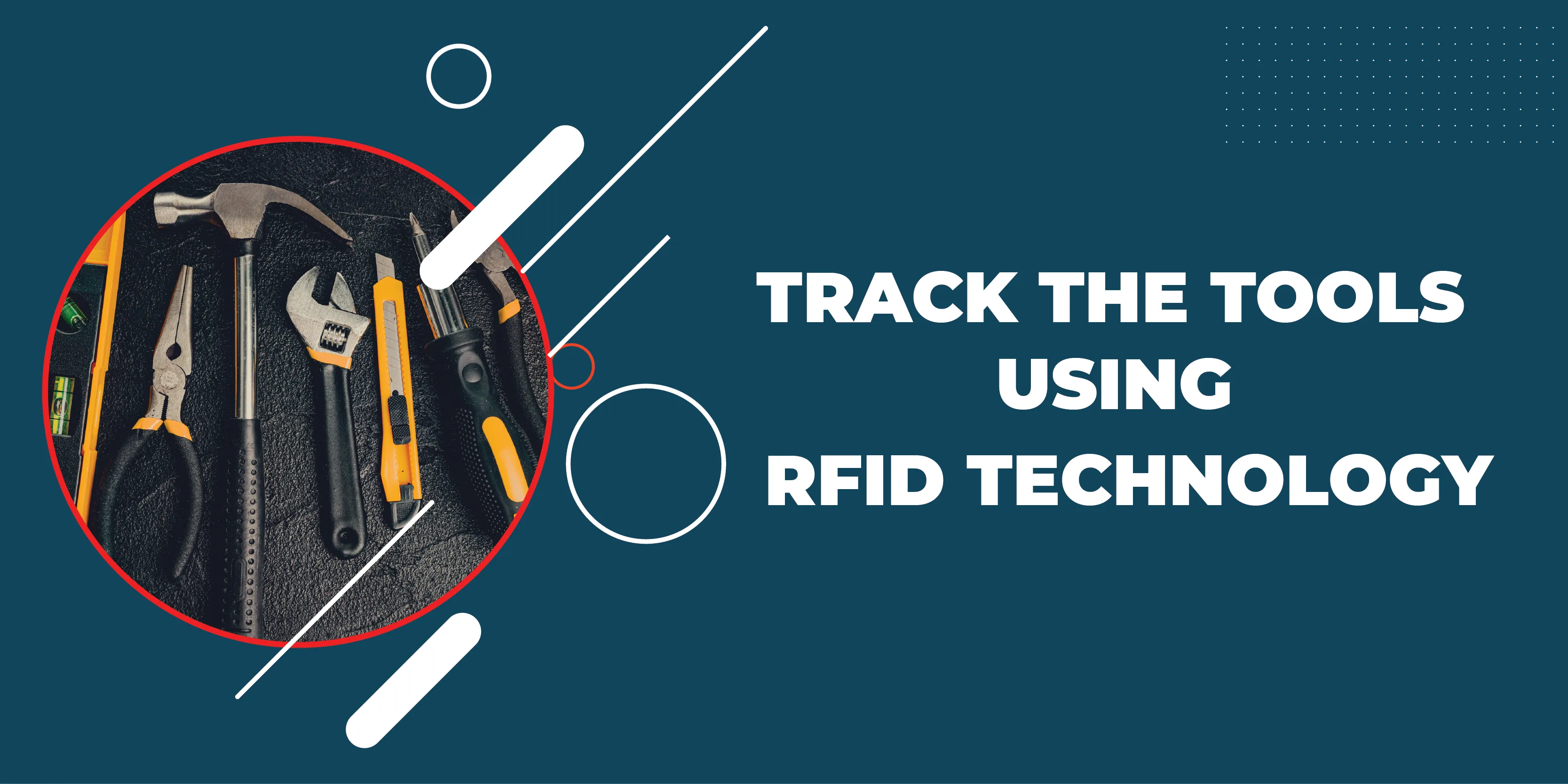
FIELD VIEW / TOOL ACCOUNTABILITY
Keep the tool
with the right team.
A tool workflow connects the handoff, return and exception event to the person and system responsible for it.
- Identify tools at check-in and check-out
- Capture handoffs, returns and last-seen context
- Route missing or overdue items for action
02 / THE RFID WORKFLOW
Four moments.
One connected record.
Apply an asset-suitable tag
Define the identity and the point where it enters the workflow.
Check tools in and out at a reader point
Capture a repeatable event with enough context to trust the result.
Capture last-seen or return event
Capture a repeatable event with enough context to trust the result.
Route missing or overdue items for action
Route the confirmed event to the system and person who acts on it.
03 / OPERATING SCOPE
Start with the
event, not the device.
A useful solution brief makes the item, event, system handoff and evidence visible before a configuration is selected.
Shared tools, calibrated equipment, kits and field assets that must be issued, returned and maintained.
Checkout, return, inspection, maintenance or readiness event at a tool room, vehicle or field handoff.
A custody and condition event to the responsible equipment or maintenance workflow.
A trial that covers attachment durability, storage density, checkout behavior and overdue recovery.
FIELD QUESTIONS
- Define custody and readiness separately so a returned item is not assumed ready.
- Test attachment against abrasion, oil, weather and normal handling.
- Give the operator an action for a missing, duplicate or unexpected identity.
- Record maintenance and replacement decisions with the asset baseline.
INDUSTRY CONTEXTS
Apply the workflow
to the operating setting.
These published industry routes apply the same solution pattern to a specific operating context. They are starting points for review, not a statement that any reader category or profile is ready for every environment.
04 / THE SYSTEM
Build around
the point of work.
Start with the read event and its purpose. Then select the tag, reader, antenna and software that support that event in the real environment.
Rugged on-metal tags
Specified around the item, environment and operating step.
Handheld reader or cabinet reader
Specified around the item, environment and operating step.
Desktop printer for serialized labels
Specified around the item, environment and operating step.
Asset or maintenance software
Specified around the item, environment and operating step.
05 / SOFTWARE & INTERFACES
Make the read
mean something.
Maps tool ID and event context to EAM, maintenance, project or service workflows.
Learn more06 / TEST METHOD
Measure the
uncertainty.
We evaluate tag attachment, abrasion, tool density, storage locations and the operator interaction required for a fast handover.
- Representative materials and item mix
- Read range, speed and false-read checks
- Operator workflow and exception path
07 / DEPLOYMENT
Start with
one proven zone.
Start with a tool family and one custodian process, establish a return policy, then extend to vehicles, kits or remote sites.
08 / WHAT GOOD LOOKS LIKE
Evidence your
team can use.
A practical tool accountability workflow that supports maintenance, project readiness and faster recovery of missing items.
견적 요청09 / FAQ
Questions worth
asking early.
Often yes, using a compact on-metal tag and a tested attachment point. The surface, curvature and expected abrasion determine the final selection.
Reusable tags are possible for durable assets, while disposable labels may be better for consumables or high-turnover items.
RFIDBRIDGE / NEXT STEP
Ready to test
the real thing?
Bring a representative item, a read target and the system that should receive the event.
샘플 요청