RFID products for readers, tags, labels and software
Choose by what has to be identified and where the read happens rather than by model number. Every family below is a live page: reader and media formats for the fixed, mobile and print-encode side of a workflow, and catalogue segments for the tags, labels, cards and inlays that carry identity on the item.
Read-point equipment and item media are listed as separate families, because a reader format lists a handful of verified profiles while a media family can hold hundreds of catalogue entries. Compare within a family, then confirm the model, radio region and certification at quote review.
01 / THREE WAYS IN
Start from the
work, not the model.
I need the reader side
Handheld and fixed readers, print-encode stations, antennas, portals and the middleware behind them.
Open the equipment families ROUTE 02I need the tag and media side
Labels, cards, inlays, wearable and industrial tags — the constructions that carry identity on the item.
Open the media families ROUTE 03I am not sure yet
Describe the item, how it moves and where the read happens. The Solution Finder narrows the first configuration.
Use the Solution Finder02 / READ-POINT AND MOBILE EQUIPMENT
The equipment that performs the read.
Handheld, fixed, desktop and print-encode equipment, plus the antenna components that shape a read zone. Each family below is a format decision first — where the read happens and who resolves the exception — before it is a model decision.
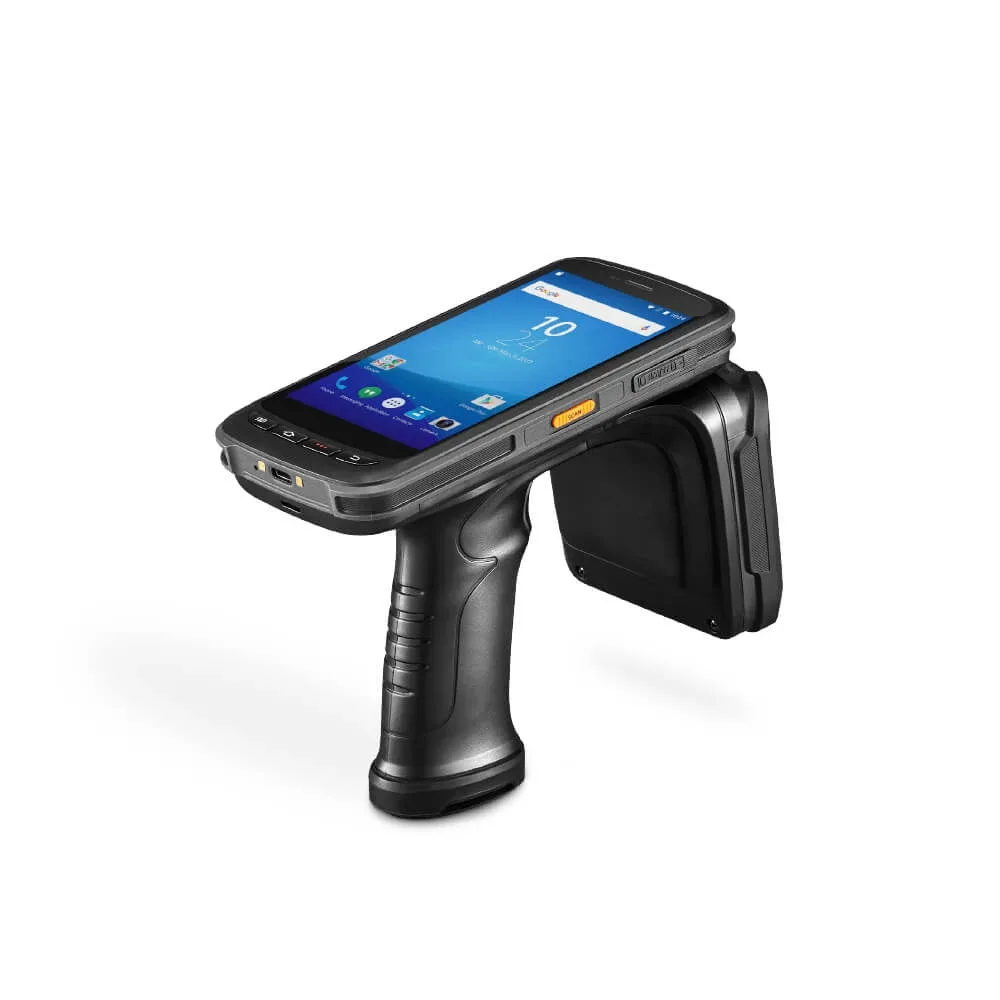
UHF RFID handheld readers
Rugged mobile readers and host-device sleds for inventory counts, receiving, asset checks and exception handling.
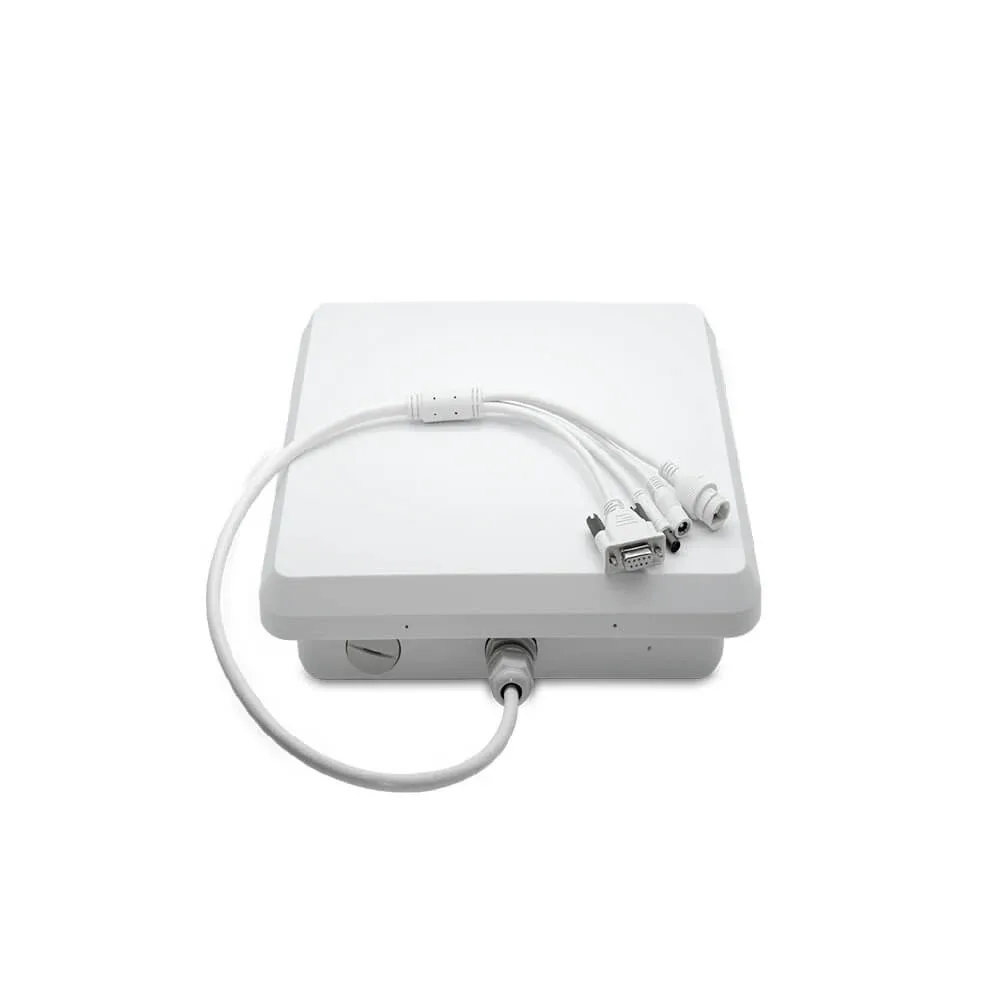
Fixed RFID readers
Reader configurations for controlled zones at docks, stations, portals and work cells.
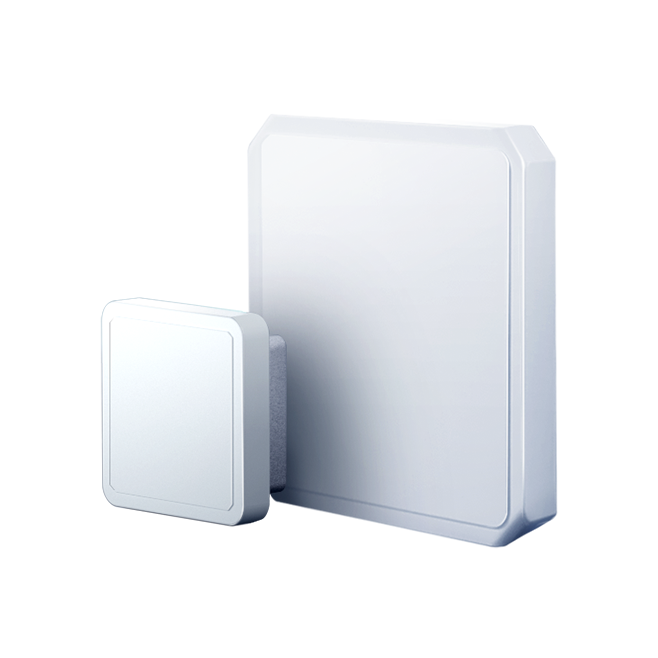
Desktop RFID readers
Close-range read and encode points for desks, packing benches and controlled verification.
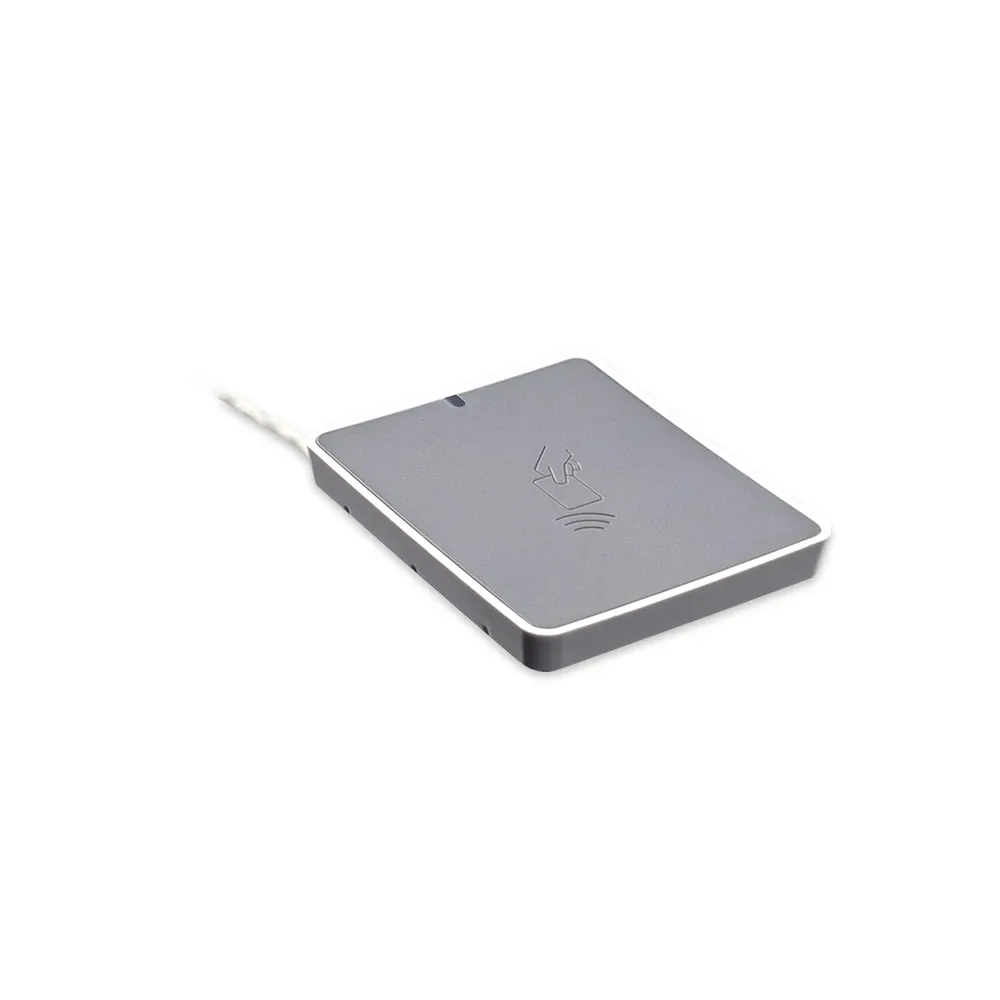
RFID readers (NFC/HF)
Desktop, fixed and mobile NFC/HF readers and reader-writers for controlled close-range read points.
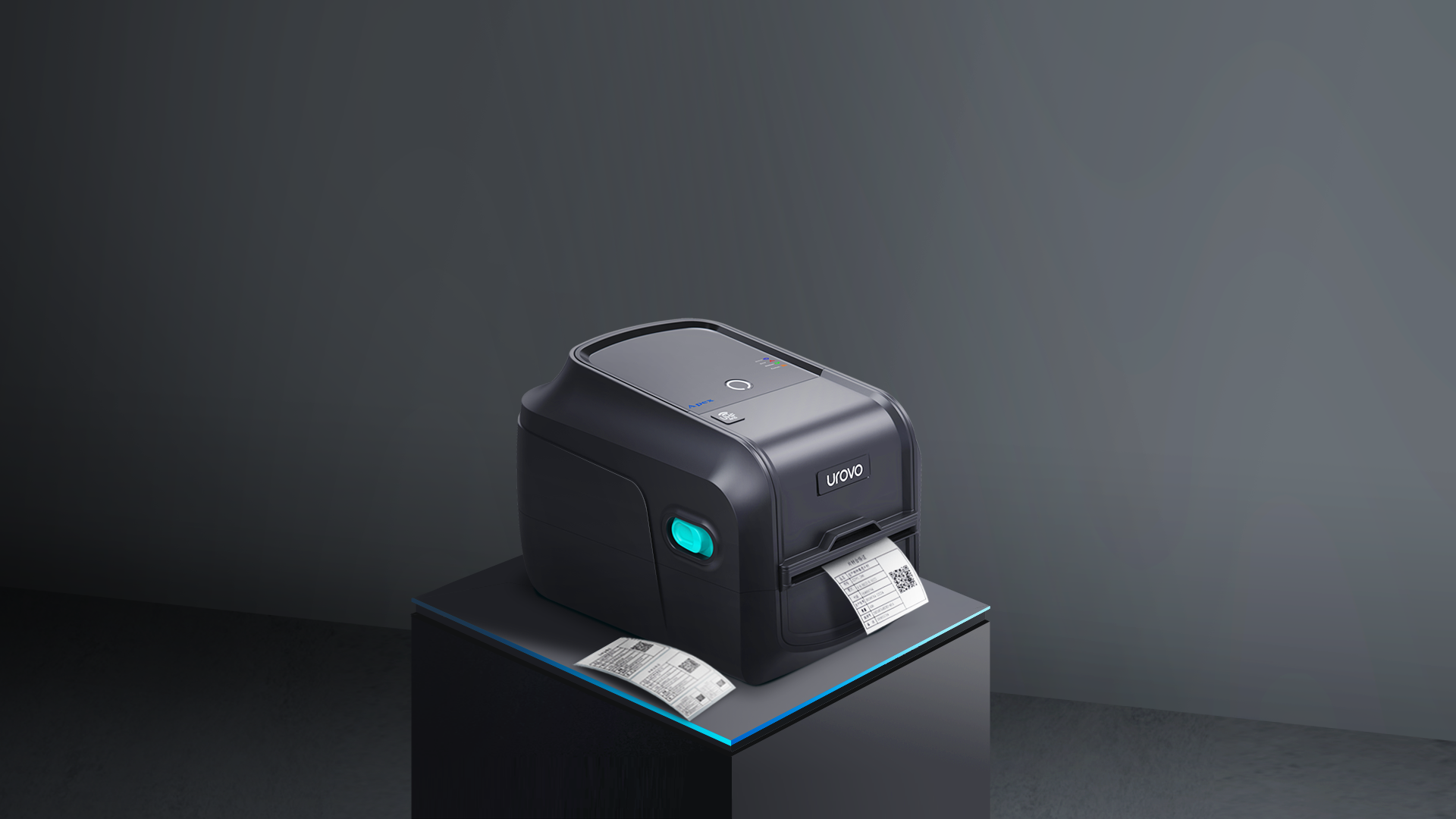
RFID printers and encoders
Print, encode and verify serialized RFID labels where identity enters the process.
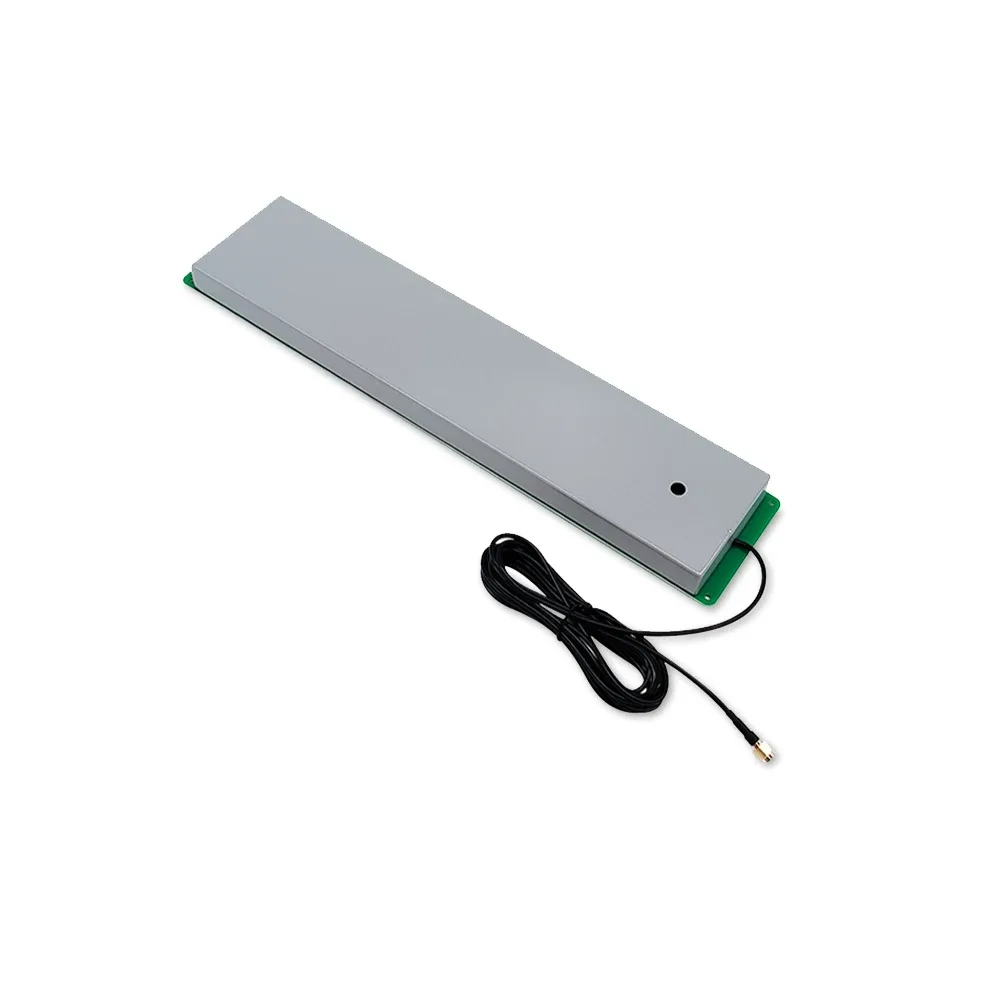
RFID antenna components
HF and UHF antenna components for fixed read points, trays and workstations where the antenna itself shapes the read zone.
03 / TAGS, LABELS AND MEDIA
The identity that travels on the item.
Labels, cards, inlays, wearable and industrial tag constructions. This is where the catalogue runs deepest, and where surface, attachment and lifecycle decide the format long before the part number does.
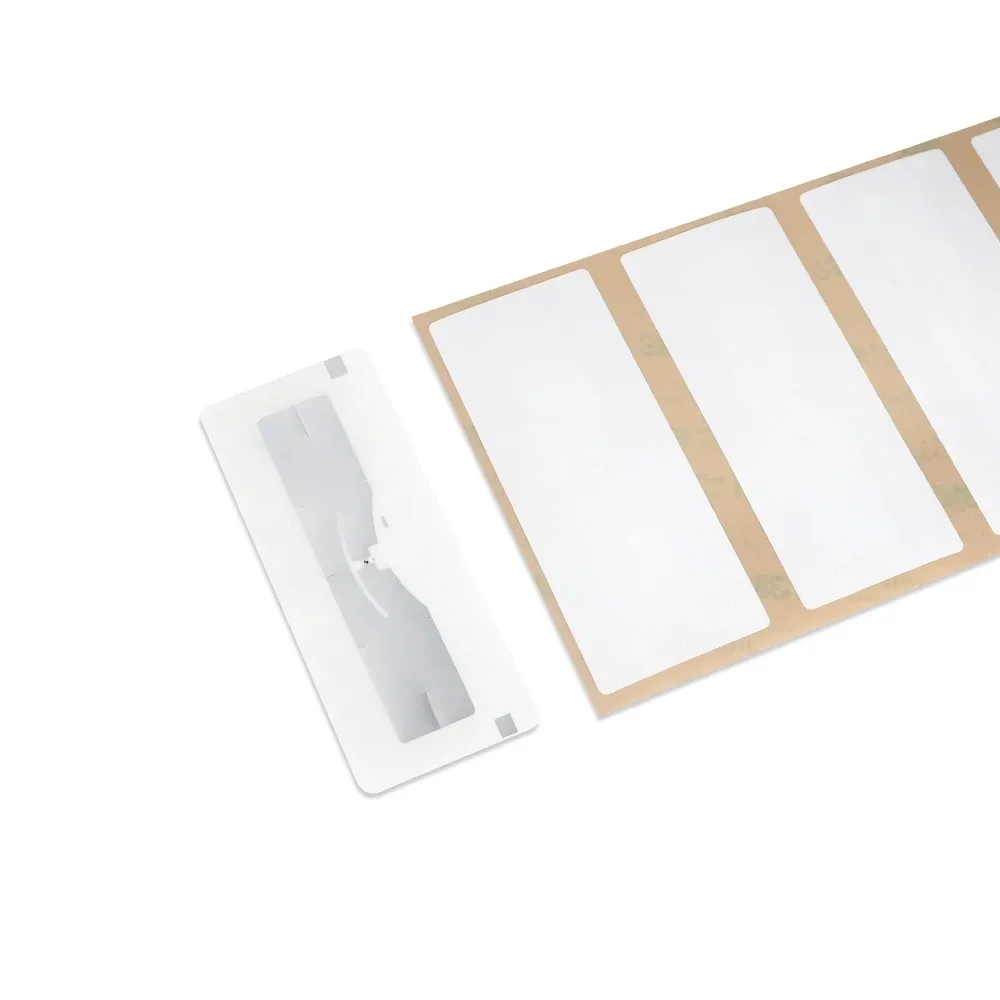
RFID labels
Adhesive UHF and HF labels for items, cartons and packaging across retail, logistics and industrial workflows.
Open this family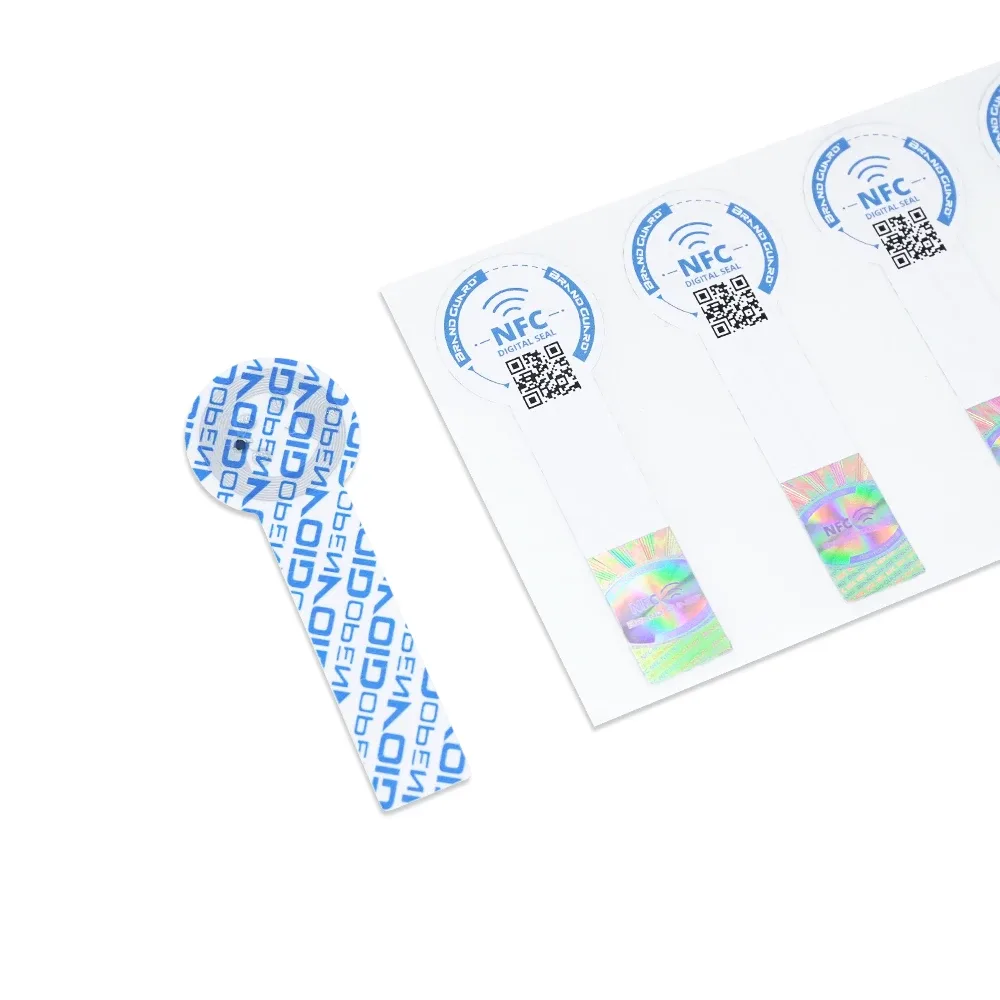
NFC labels
NFC-enabled adhesive labels for authentication, tap-to-verify and item-level customer interactions.
Open this family
RFID cards
Contactless cards, key cards and customer cards for access, loyalty, identity and verification reads.
Open this family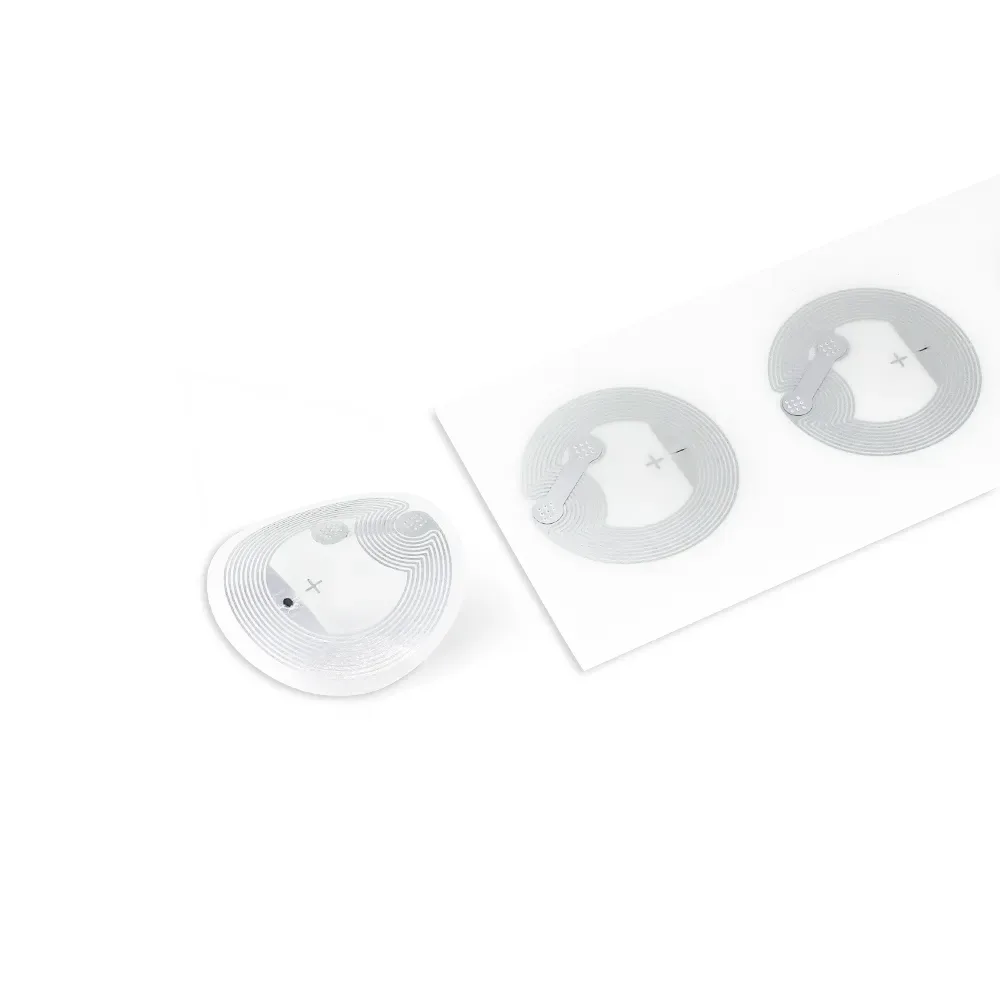
RFID inlays
Wet and dry inlays for label conversion, embedding and application-specific antenna formats.
Open this family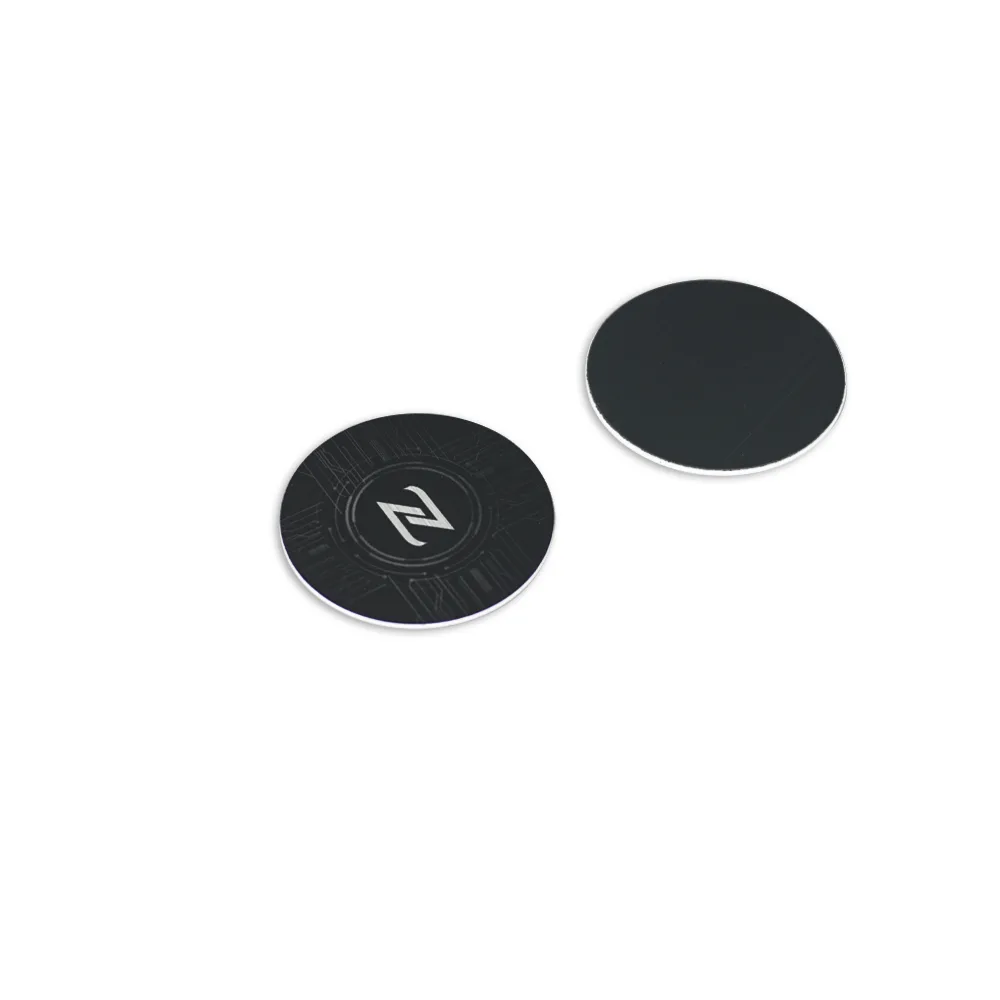
RFID industrial tags
Industrial-grade on-metal tags for harsh environments, long-range reads and repeatable asset identity.
Open this family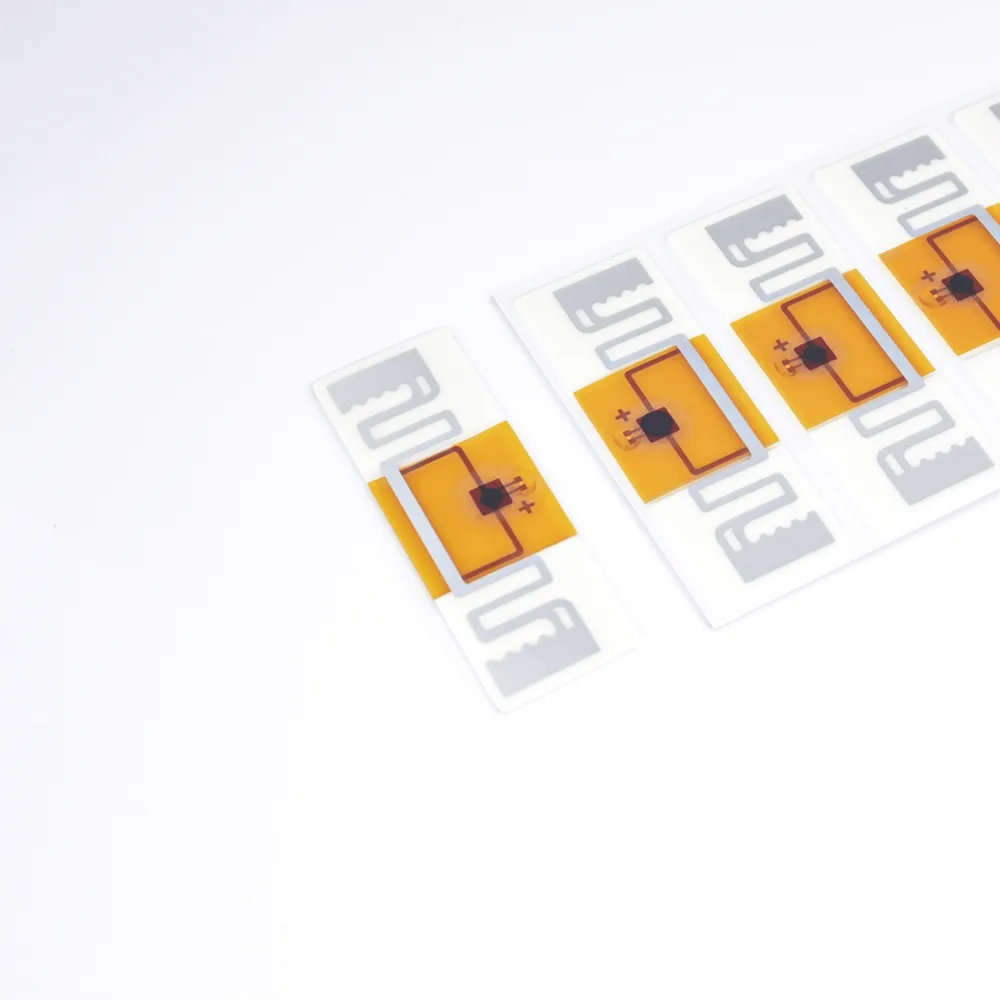
RFID LED tags
UHF on-metal tags with LED feedback to locate an asset visually during a search or cycle count.
Open this family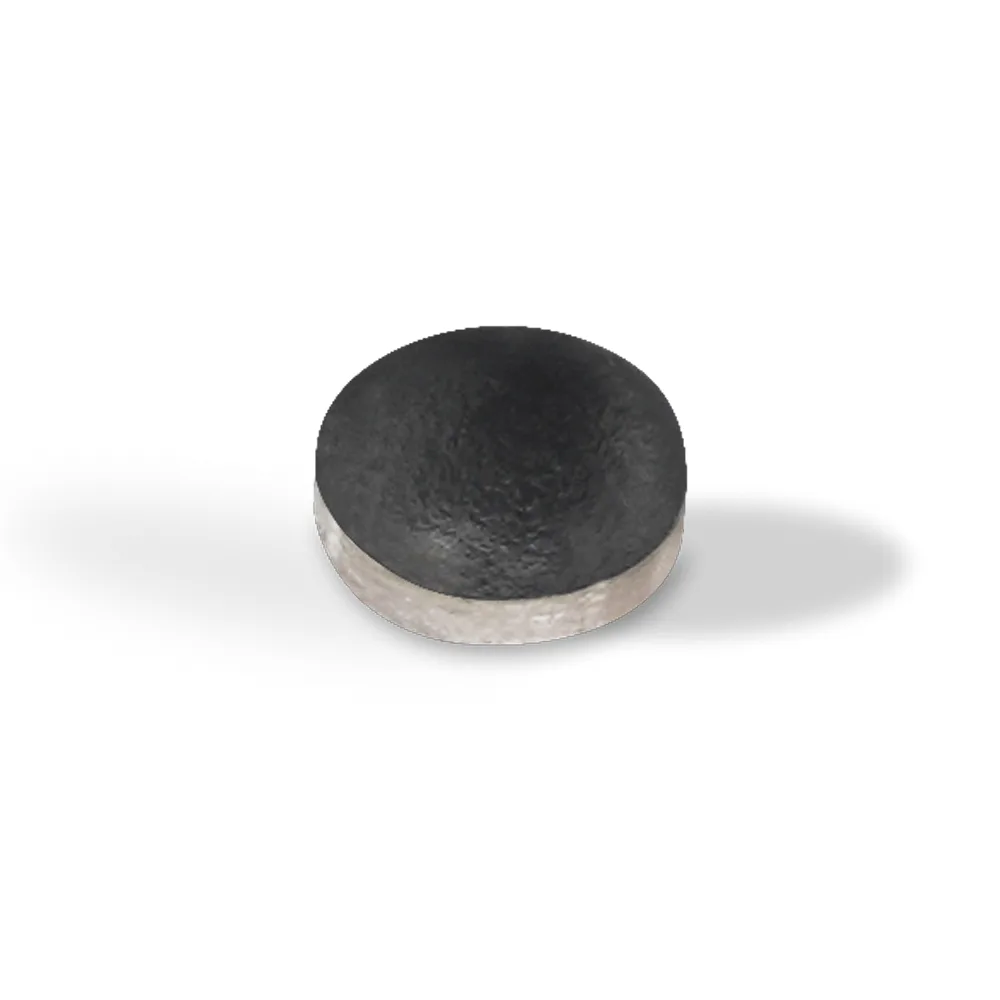
RFID PCB tags
PCB-based on-metal tags for industrial equipment, tools and reusable assets needing a rigid construction.
Open this family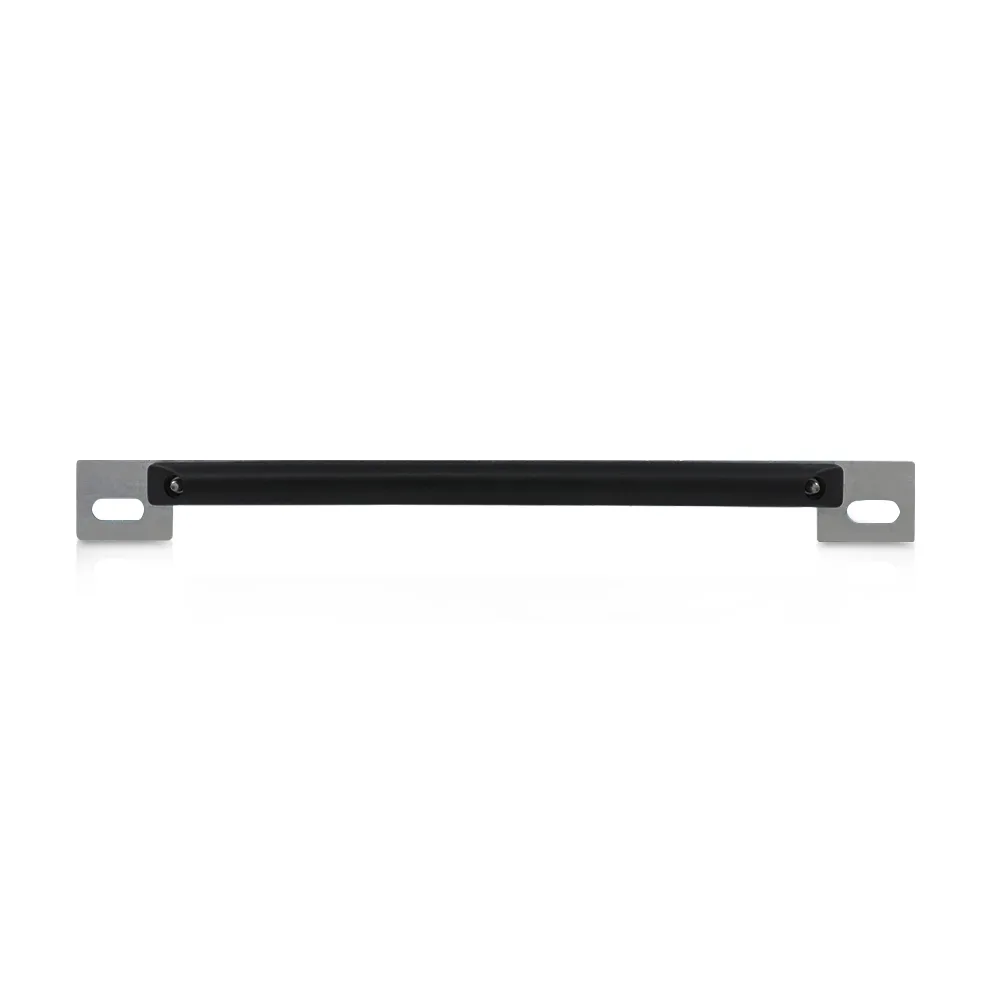
RFID license plate tags
On-metal license plate and vehicle tag constructions for fleet, yard and asset identification.
Open this family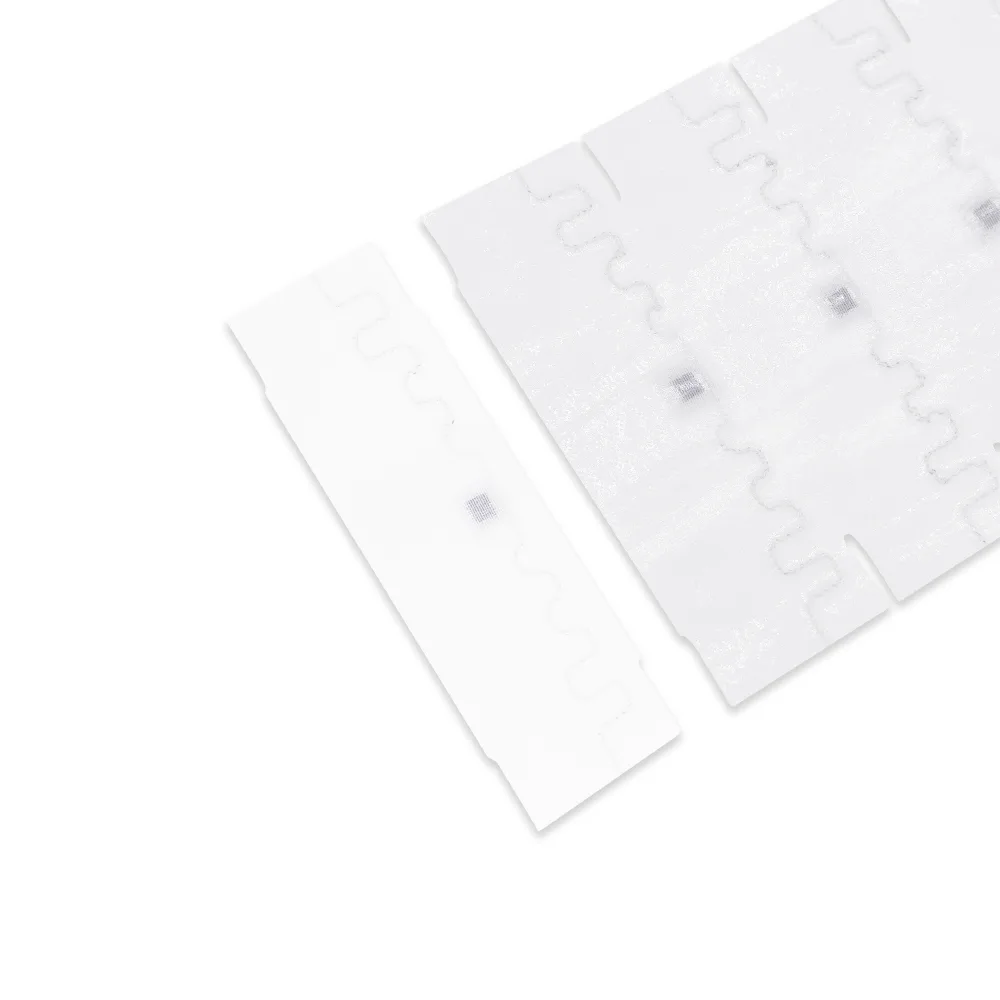
RFID laundry tags
Heat-press and PPS laundry tags for textile tracking through washing, drying and pressing cycles.
Open this family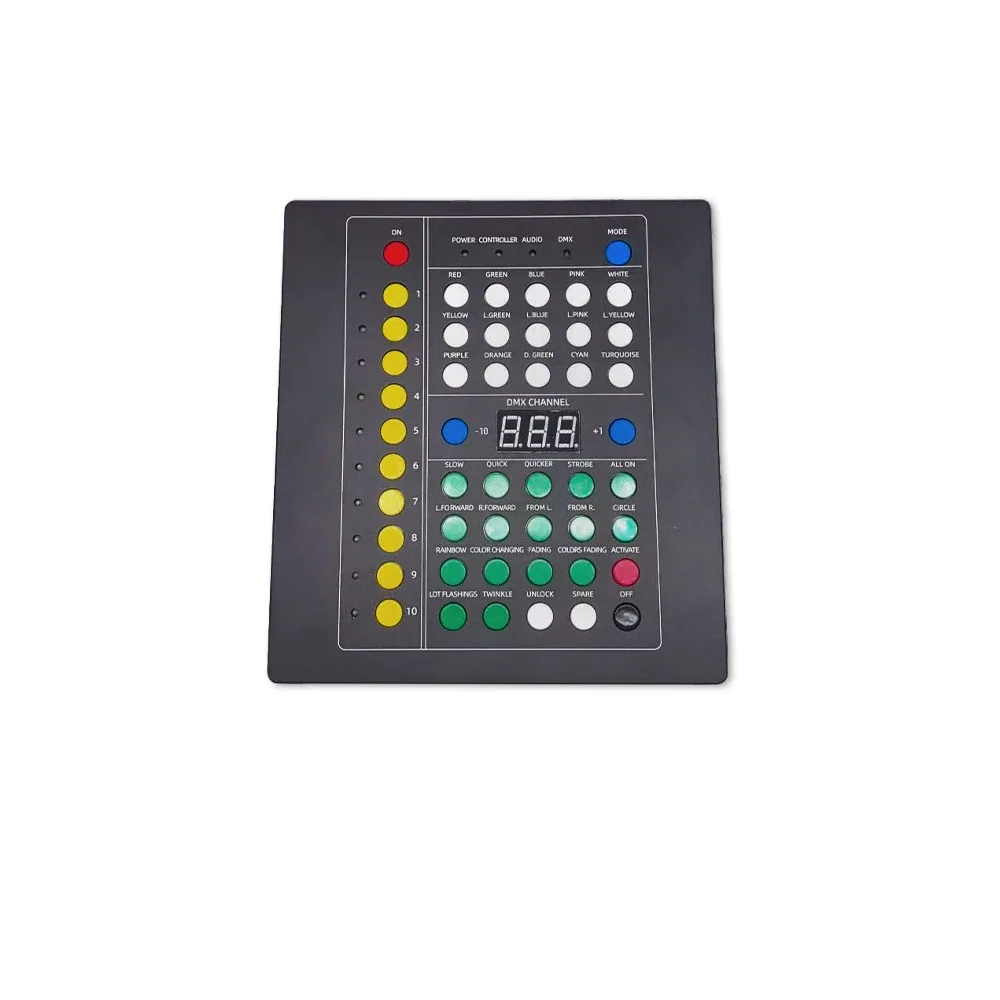
RFID wristbands
Silicone HF, LF and UHF wristbands for events, access, cashless payment and wearer identification, including the companion control units that drive them.
Open this family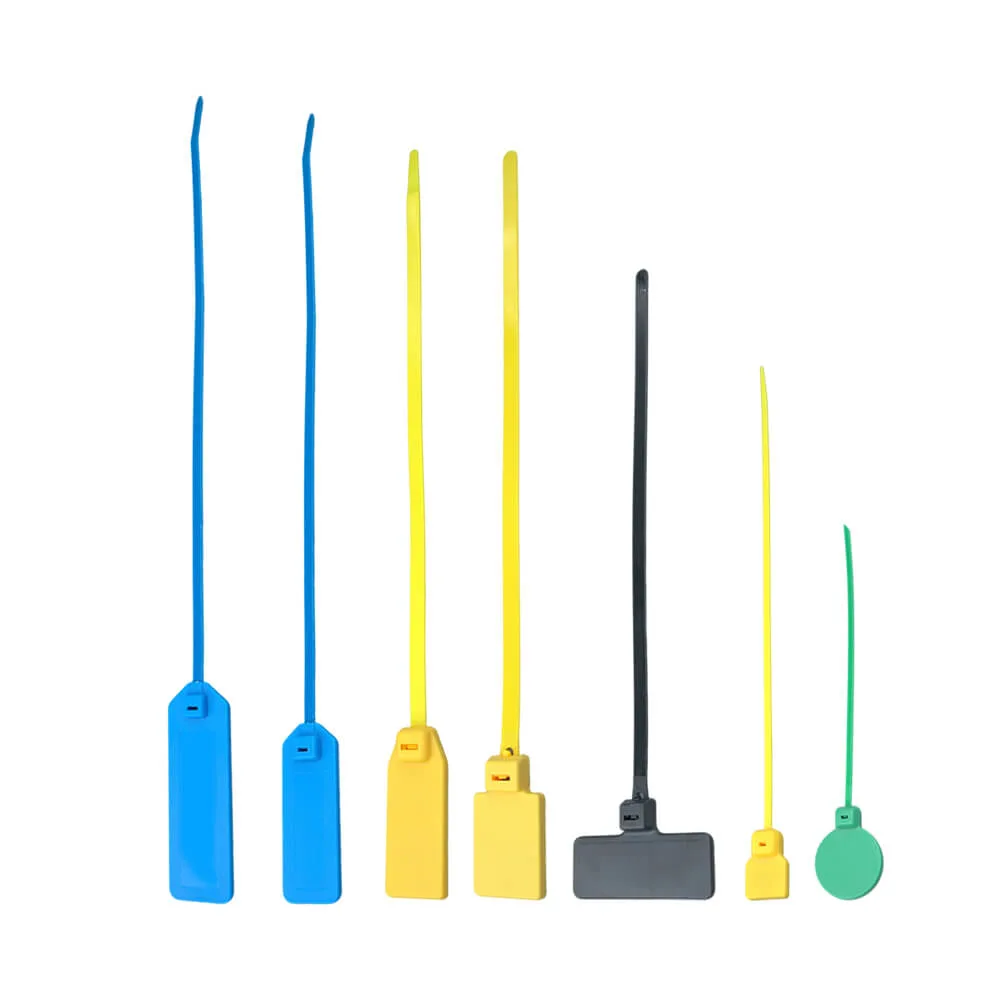
RFID cable tie tags
Cable-tie tag constructions for assets, cables, pipes and containers where a wrap-on attachment is required.
Open this family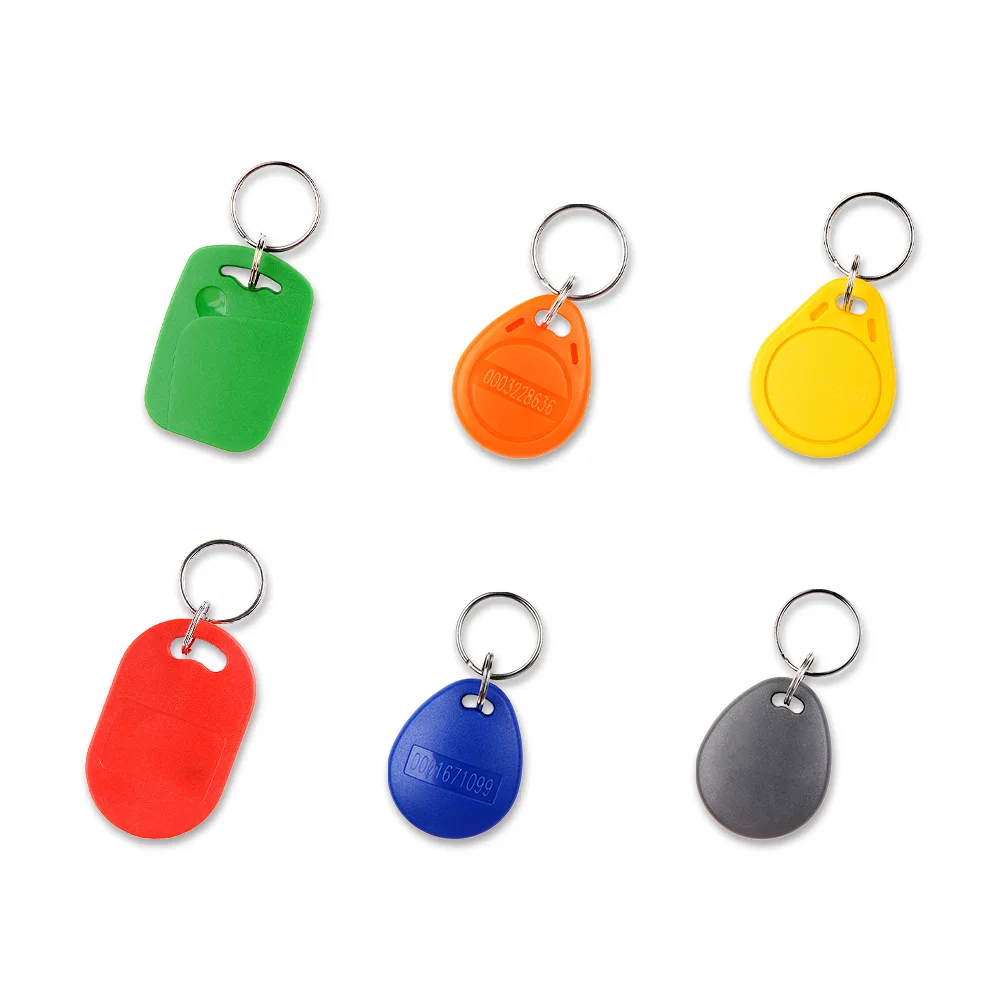
RFID key fobs
ABS key fobs and token formats for access, identity and asset ownership in carry-friendly form.
Open this family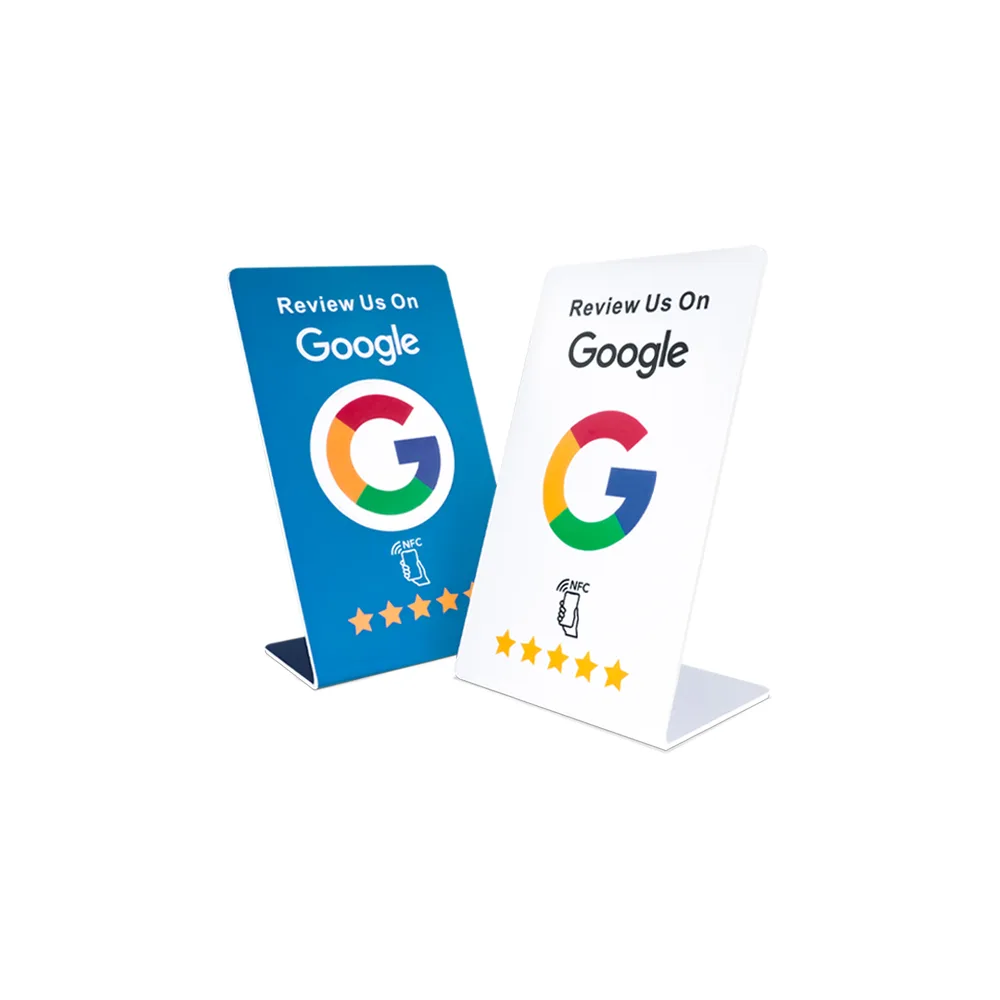
NFC review cards
PVC NFC review and feedback cards for tap-to-review, ratings and guided customer interactions.
Open this family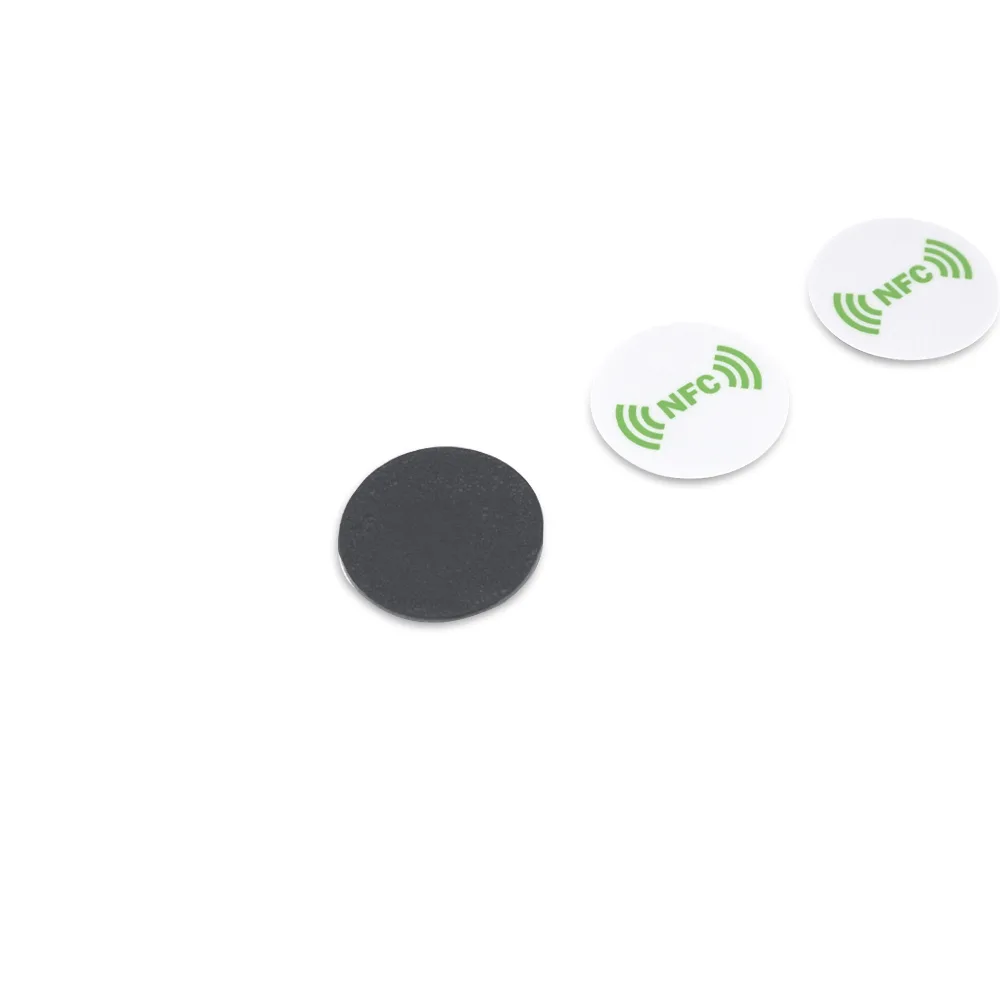
NFC garment badges
Silicon NFC garment badges for staff identity, tap-to-info and wearable brand interactions.
Open this family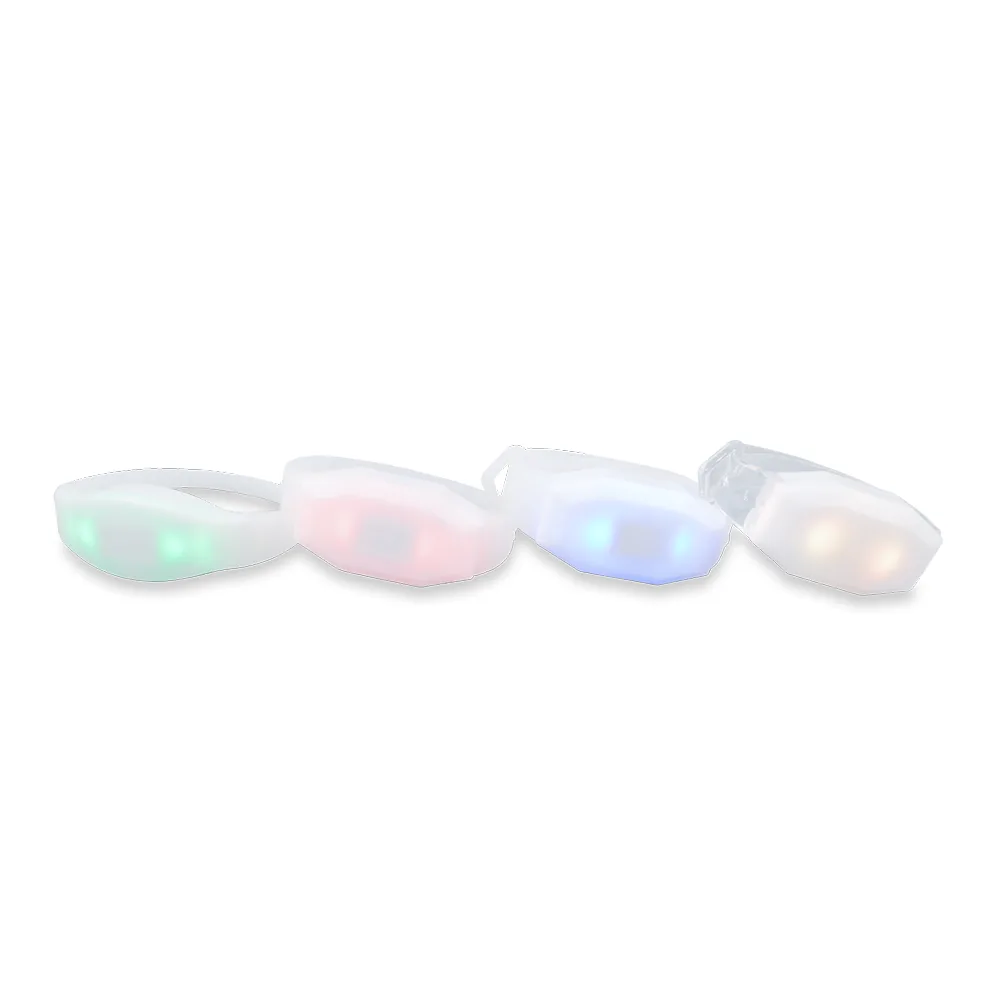
NFC LED wristbands
NFC LED wristbands for events, access control, engagement and tap-triggered light feedback.
Open this family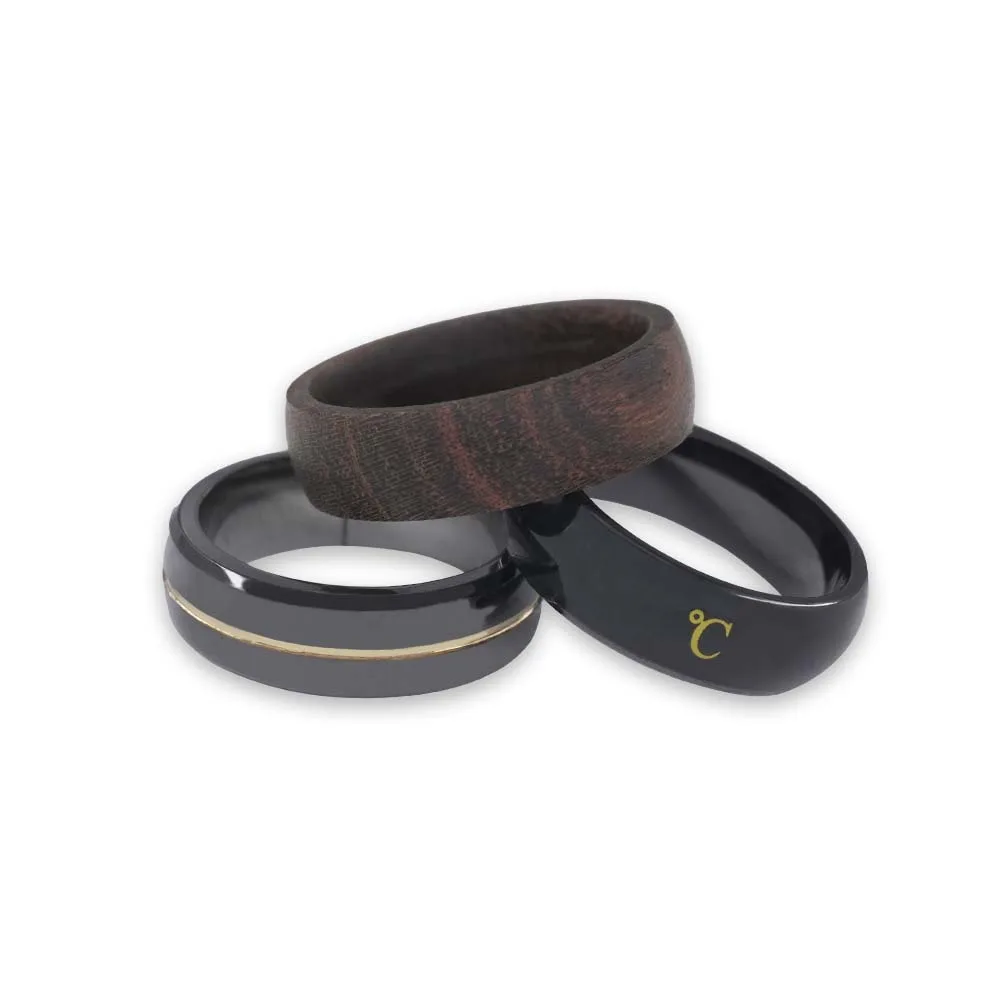
NFC rings
Wearable NFC ring constructions for tap-to-act identity, access and contactless convenience.
Open this family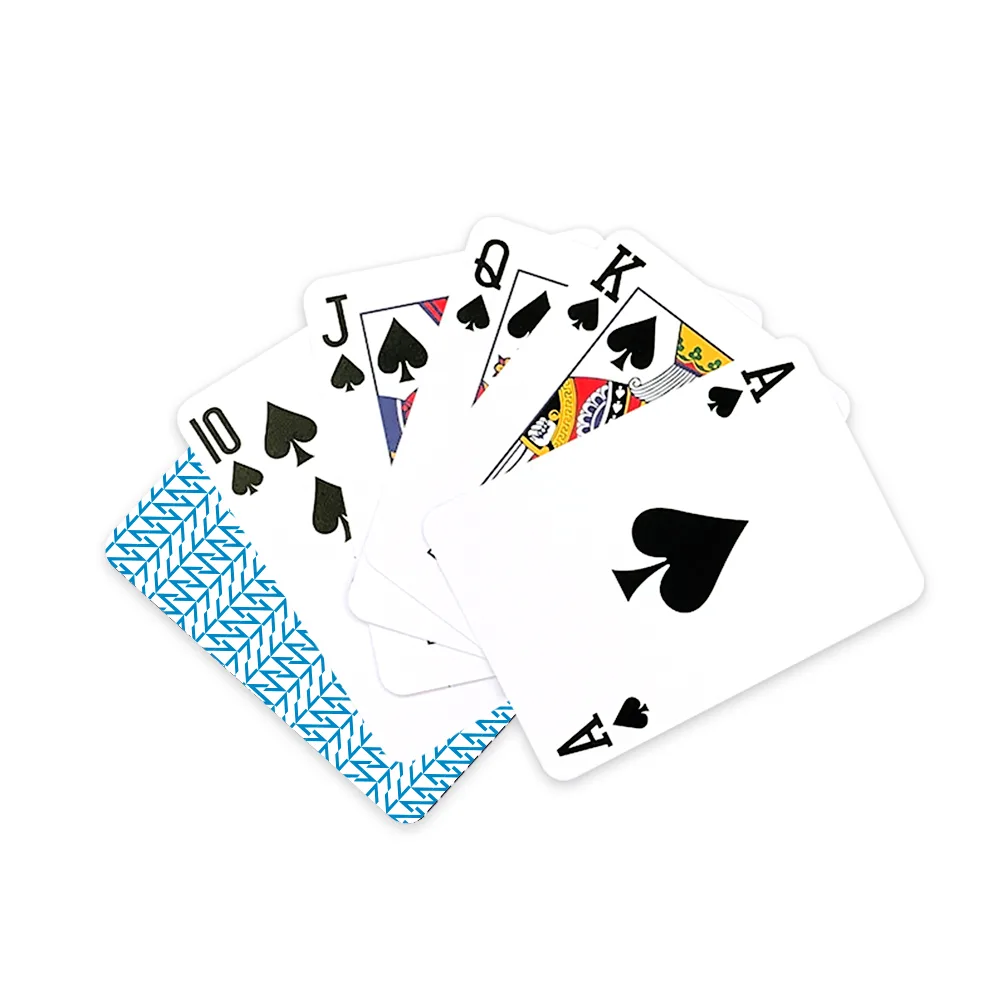
RFID playing cards
RFID playing cards with stacked-card reading for gaming tables and card-shoe workflows.
Open this family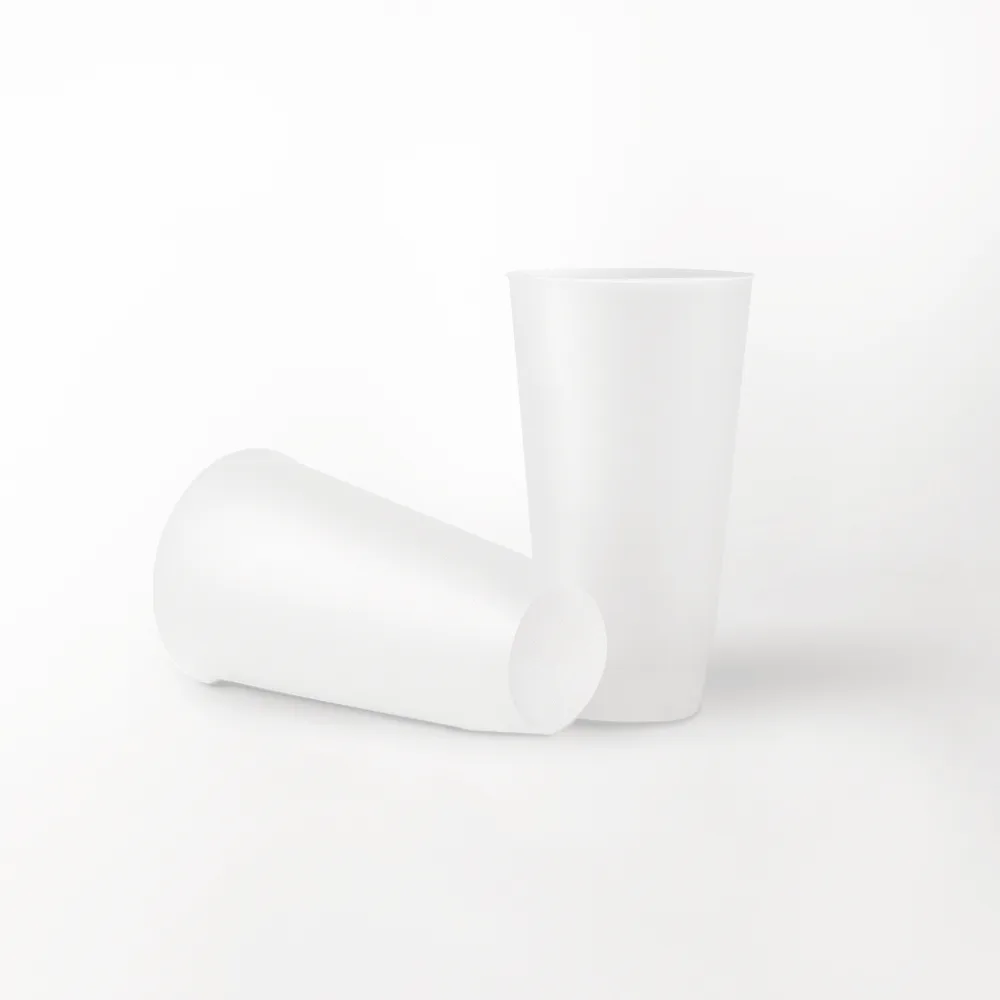
RFID recyclable cups
RFID-enabled cups for returnable cup pools, deposit tracking and closed-loop reuse workflows.
Open this family04 / HOW SELECTION WORKS
Three questions
before a model number.
What has to be identified?
The unit of identity comes first: a carton, a serialized item, a tool, a returnable container or a person. Where a mixed carton must resolve to both carton and item, define the tag hierarchy before choosing the format.
Read the tag selection guideWhat is the surface and the read point?
Metal, liquid, curvature and dense packing change how a tag behaves; a doorway, a conveyor and a person-led count change what the reader and antenna must do. Both sides are tested together on representative items.
Plan a sample testWhich system receives the event?
A read only becomes useful when the destination system accepts a defined event with an owner and an exception path. Reader, antenna and middleware selection follows that contract rather than leading it.
Review system integration
05 / PRODUCT FAQ
Questions asked
before the first quote.
Start from the object and the moment it must be identified. Items that move through a person-led count usually begin with a handheld reader and media; a doorway, dock or workstation event usually begins with a fixed reader, antenna and a software handoff. Software and middleware matter in both cases, because the read only becomes useful when the destination system receives a clean event.
A single profile can cover a project-specific configuration while a media family can hold hundreds of catalogue entries, so a raw count says more about how the catalogue is filed than about the work in front of you. Each family page states the exact number of profiles it lists.
No. Where the catalogue publishes a figure it appears as a per-unit planning reference, not a quoted price. Radio region, configuration, certification, volume and destination change the real number, and those are confirmed at quote review.
Yes, and it is confirmed in writing rather than inferred from a catalogue page. Share the destination country, the item and the target read so the response can state the exact model, radio configuration, certification and lead time.
The request is routed to selection, sample testing, integration or deployment support. The next response recommends a representative test, a configuration review or a quote, depending on how much of the item and environment is already defined.
RFIDBRIDGE / PROJECT ENTRY
Bring the item and
the read target.
Send the material, movement, destination and target read. The next response recommends a representative test, a configuration review or a quote.
Teklif iste