Produtos RFID para leitores, tags, etiquetas e software
Escolha pelo que tem de ser identificado e onde ocorre a leitura, em vez de pelo número de modelo. Cada família abaixo é uma página ativa: formatos de leitores e mídias para o lado fixo, móvel e de impressão-codificação de um fluxo, e segmentos de catálogo para os tags, etiquetas, cartões e inlays que transportam a identidade no item.
Os equipamentos do ponto de leitura e as mídias dos itens são listados como famílias separadas, porque um formato de leitor lista alguns perfis verificados enquanto uma família de mídias pode conter centenas de entradas de catálogo. Compare dentro de uma família e confirme o modelo, a região de rádio e a certificação na revisão do orçamento.
01 / TRÊS FORMAS DE COMEÇAR
Comece pelo
trabalho, não pelo modelo.
Preciso do lado do leitor
Leitores portáteis e fixos, estações de impressão-codificação, antenas, portais e o middleware que os apoia.
Abrir as famílias de equipamento ROUTE 02Preciso do lado dos tags e mídias
Etiquetas, cartões, inlays, tags vestíveis e industriais — as construções que carregam a identidade no item.
Abrir as famílias de mídias ROUTE 03Ainda não tenho a certeza
Descreva o item, como se move e onde ocorre a leitura. O Solution Finder estreita a primeira configuração.
Usar o Solution Finder02 / PONTO DE LEITURA E EQUIPAMENTO MÓVEL
O equipamento que efetua a leitura.
Leitores portáteis, fixos, de secretária e estações de impressão-codificação, mais os componentes de antena que formam uma zona de leitura. Cada família abaixo é primeiro uma decisão de formato — onde ocorre a leitura e quem resolve a exceção — antes de ser uma decisão de modelo.
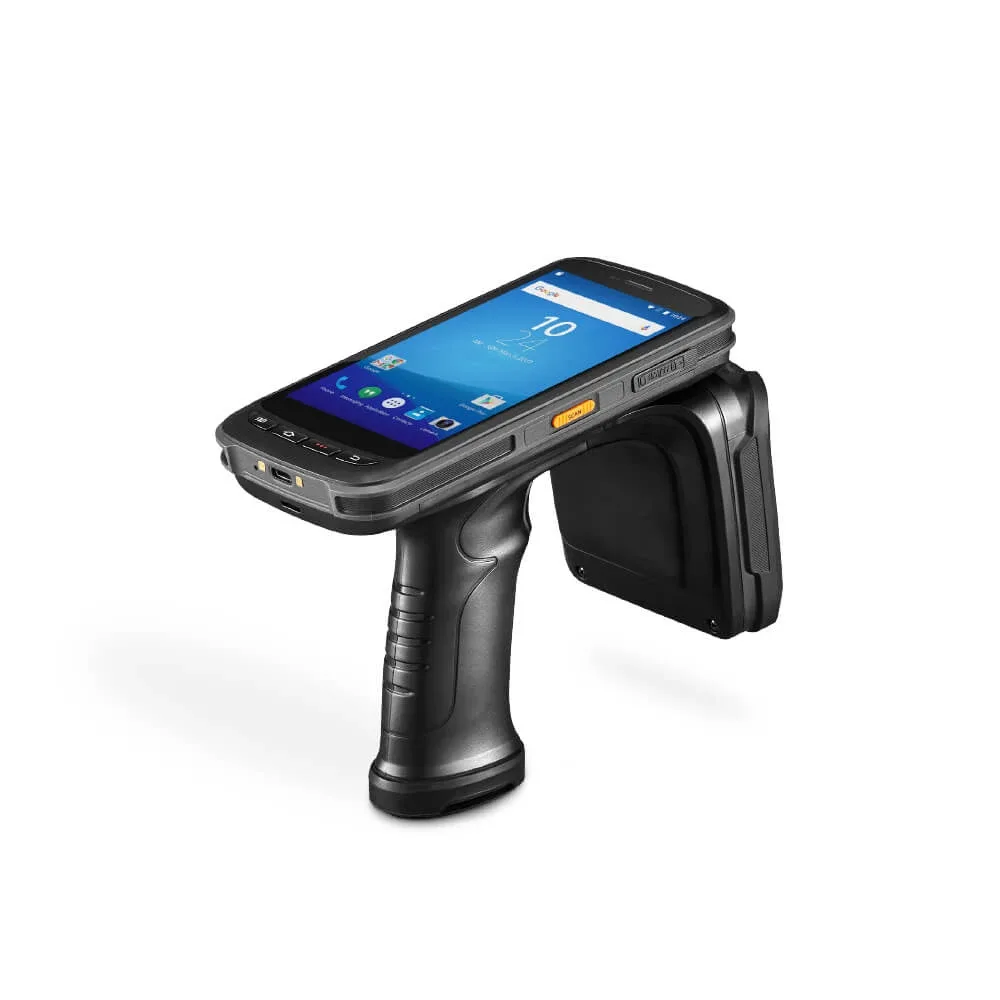
UHF RFID handheld readers
Rugged mobile readers and host-device sleds for inventory counts, receiving, asset checks and exception handling.
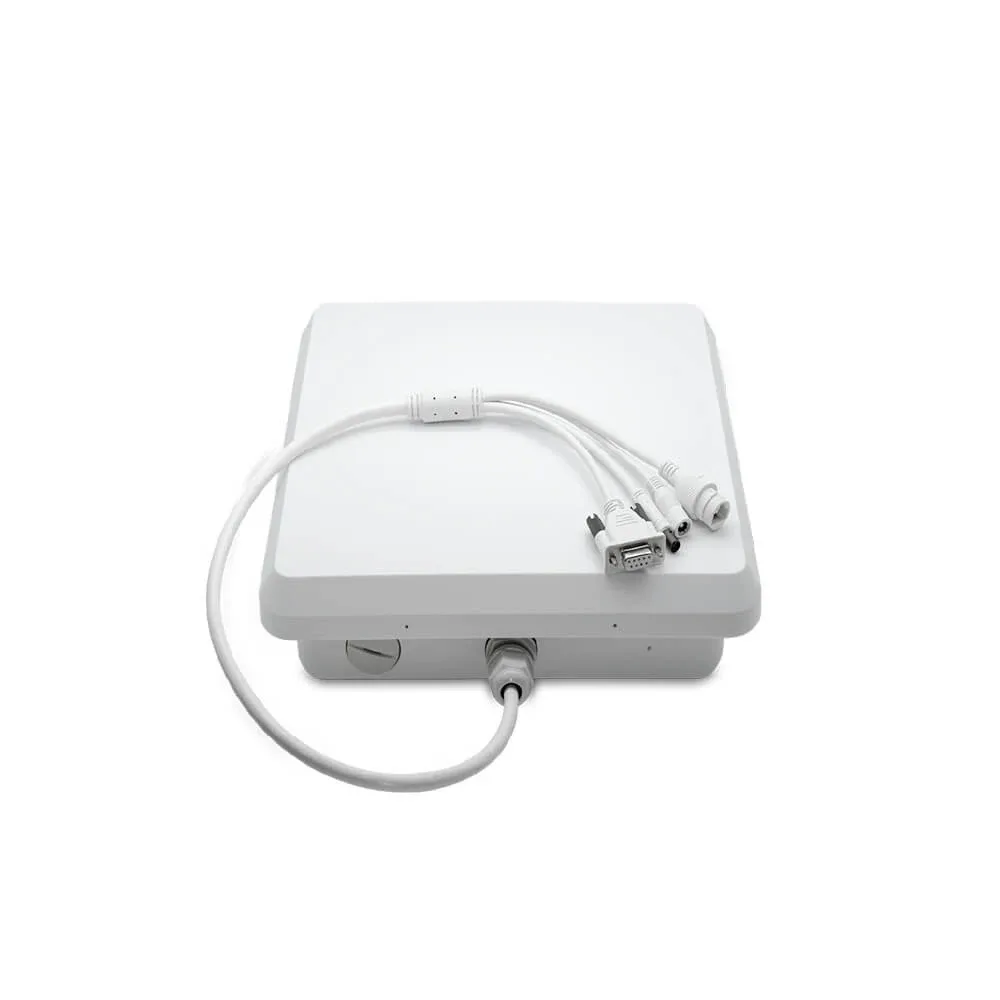
Fixed RFID readers
Reader configurations for controlled zones at docks, stations, portals and work cells.
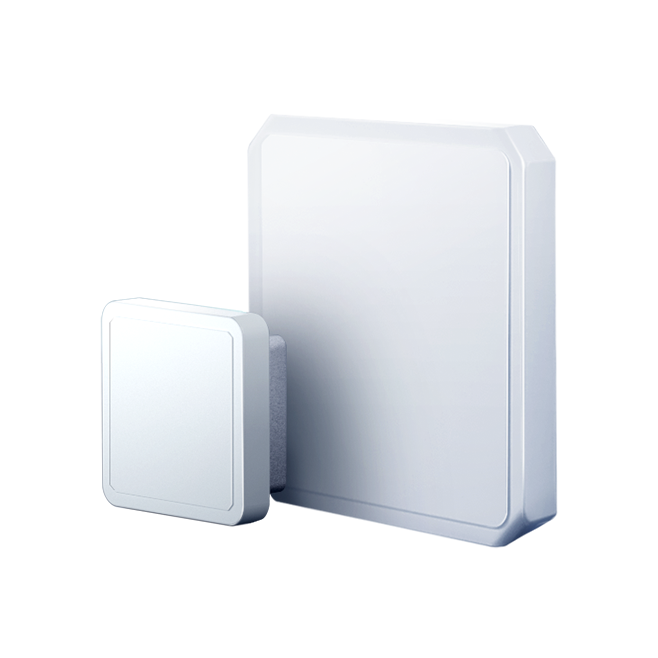
Desktop RFID readers
Close-range read and encode points for desks, packing benches and controlled verification.
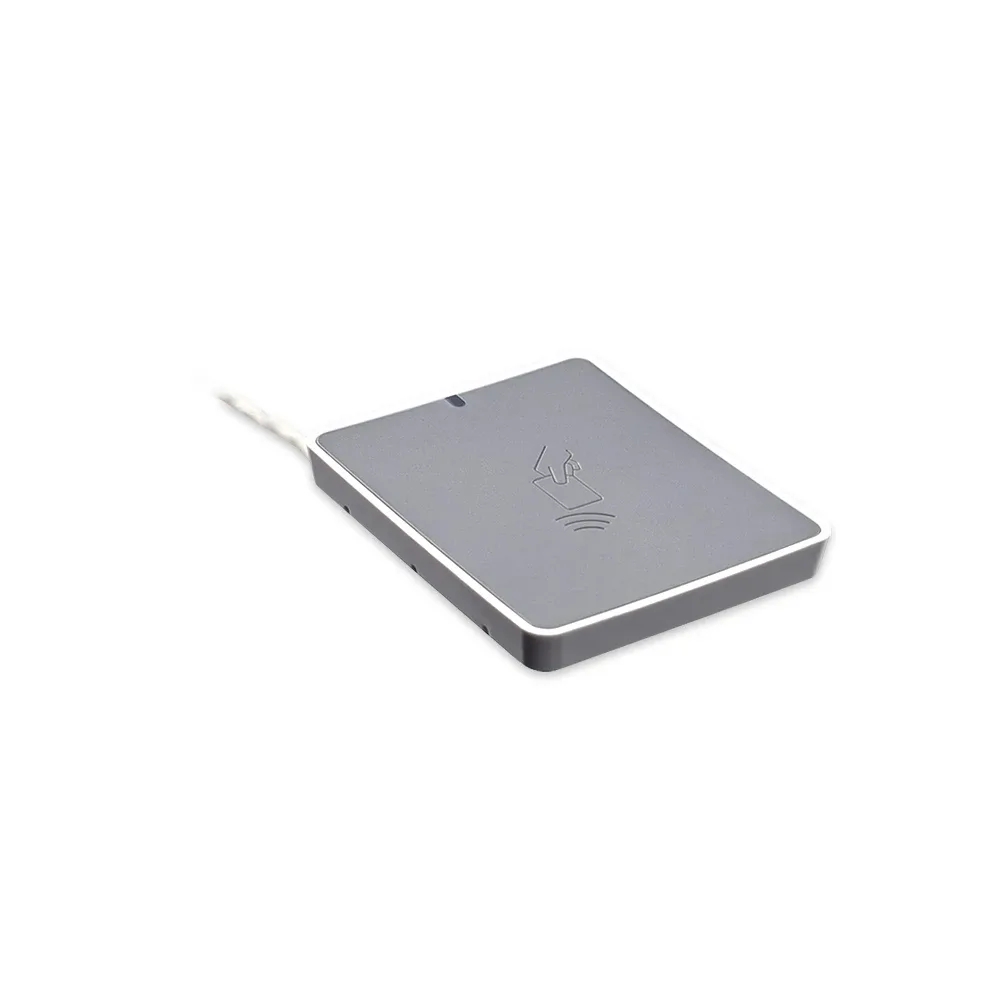
RFID readers (NFC/HF)
Desktop, fixed and mobile NFC/HF readers and reader-writers for controlled close-range read points.
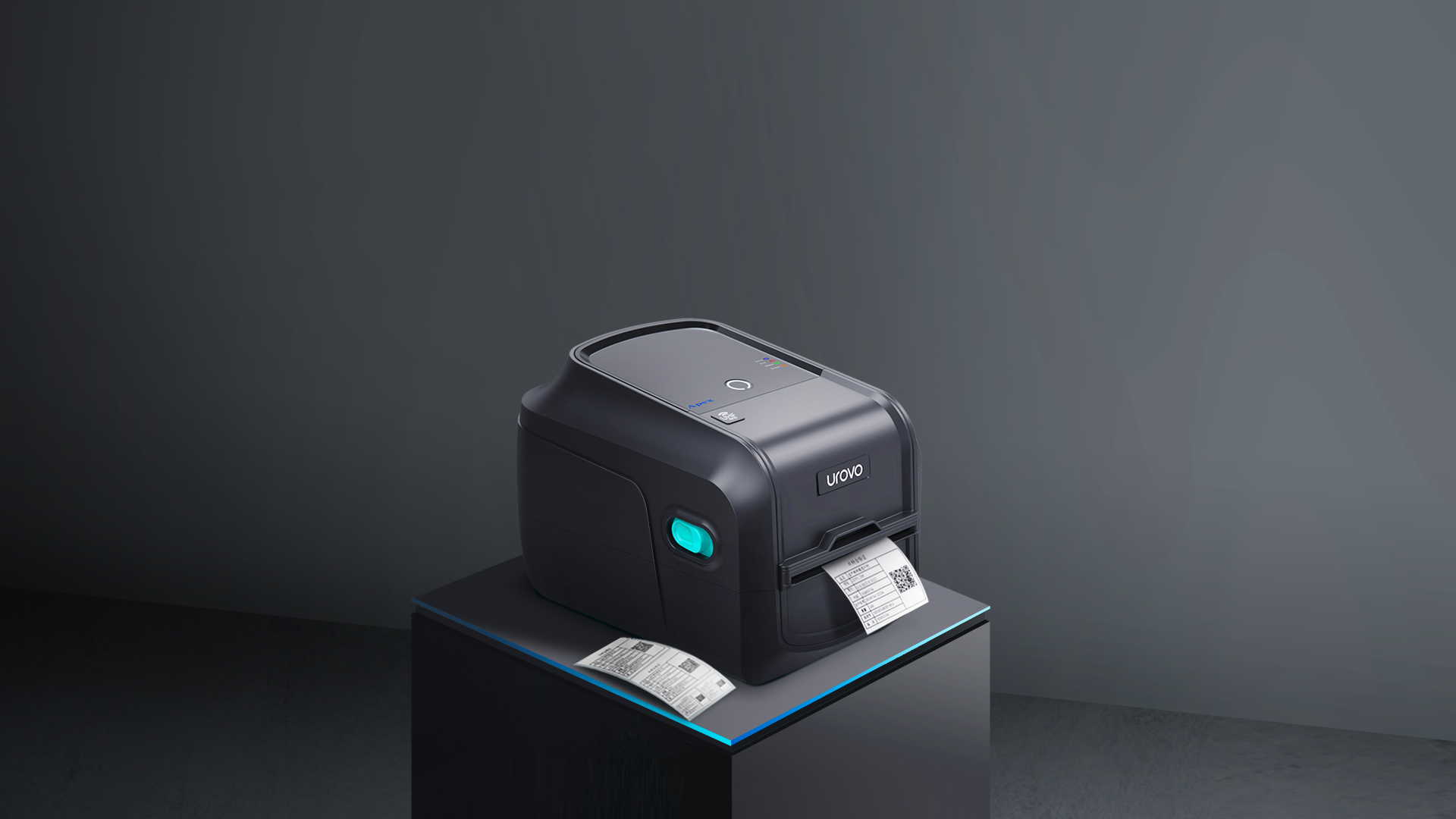
RFID printers and encoders
Print, encode and verify serialized RFID labels where identity enters the process.
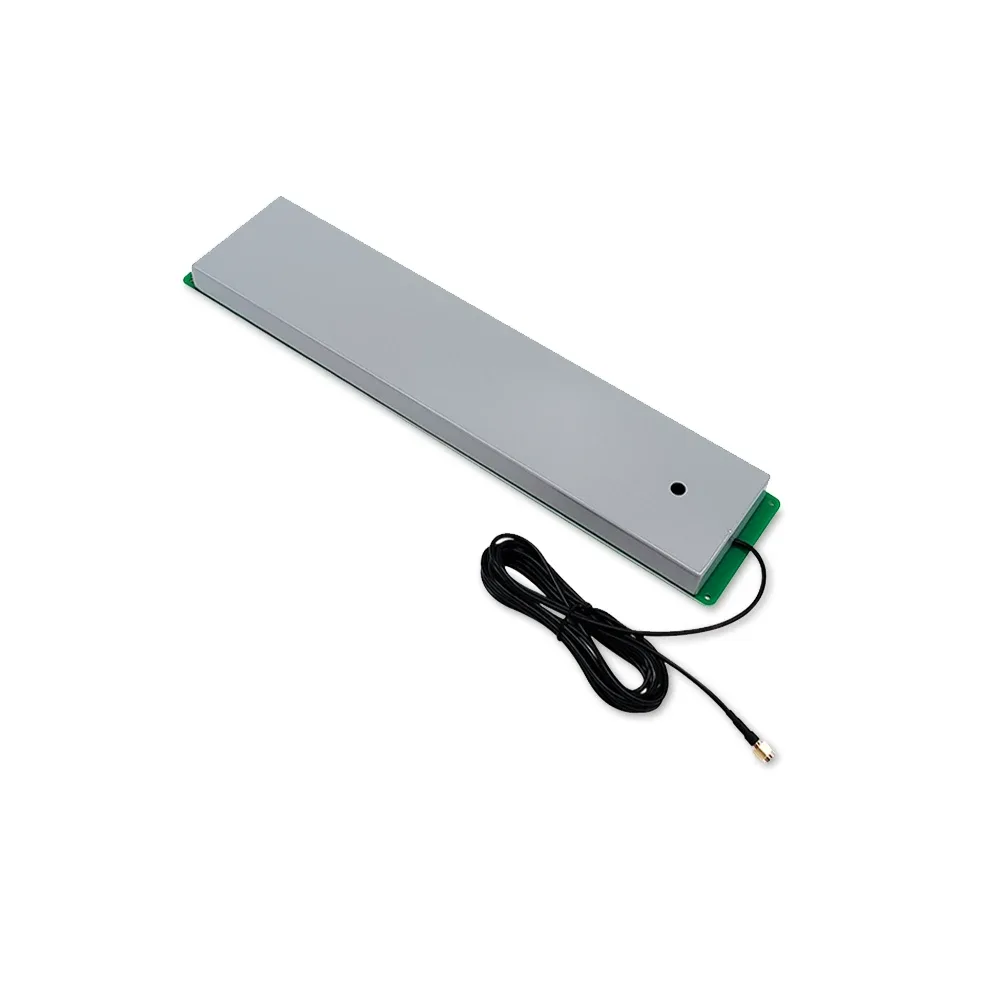
RFID antenna components
HF and UHF antenna components for fixed read points, trays and workstations where the antenna itself shapes the read zone.
03 / TAGS, ETIQUETAS E MÍDIAS
A identidade que viaja no item.
Etiquetas, cartões, inlays, tags vestíveis e industriais. É aqui que o catálogo é mais profundo e onde superfície, fixação e ciclo de vida decidem o formato muito antes do número de peça.
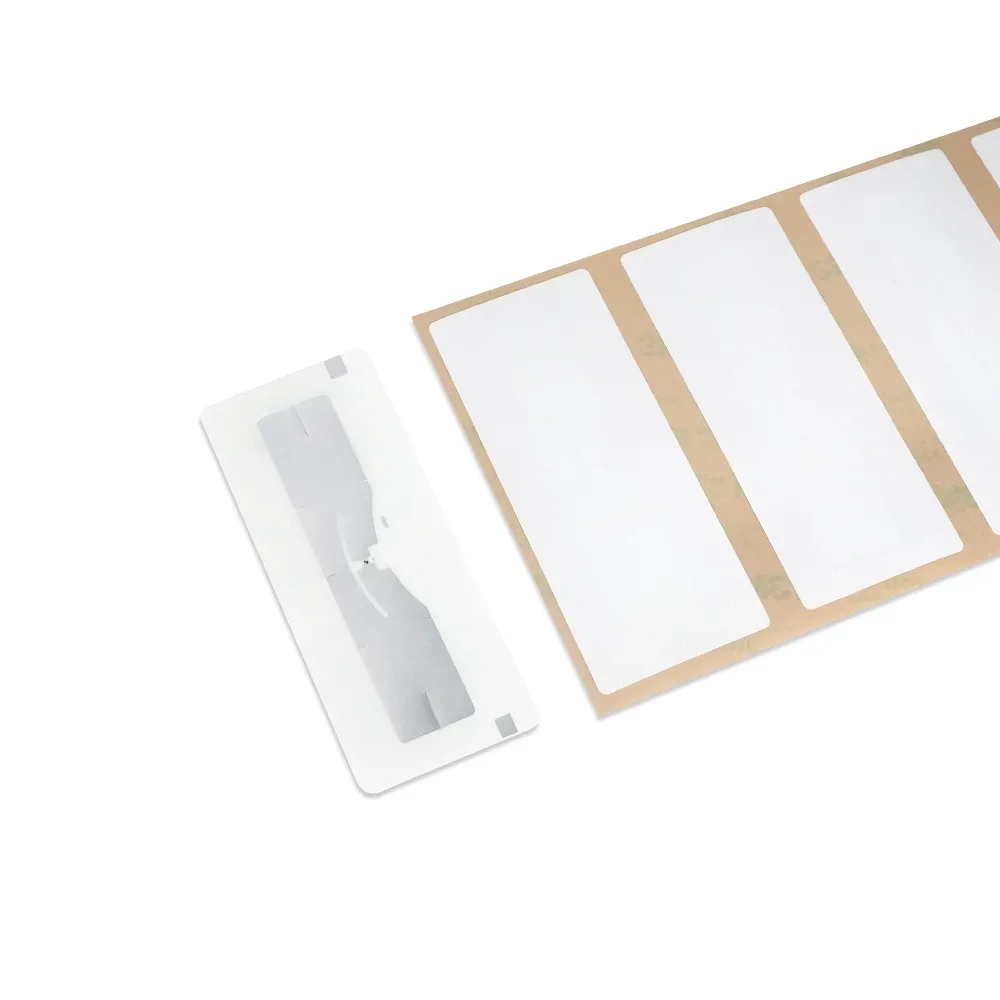
RFID labels
Adhesive UHF and HF labels for items, cartons and packaging across retail, logistics and industrial workflows.
Abrir esta família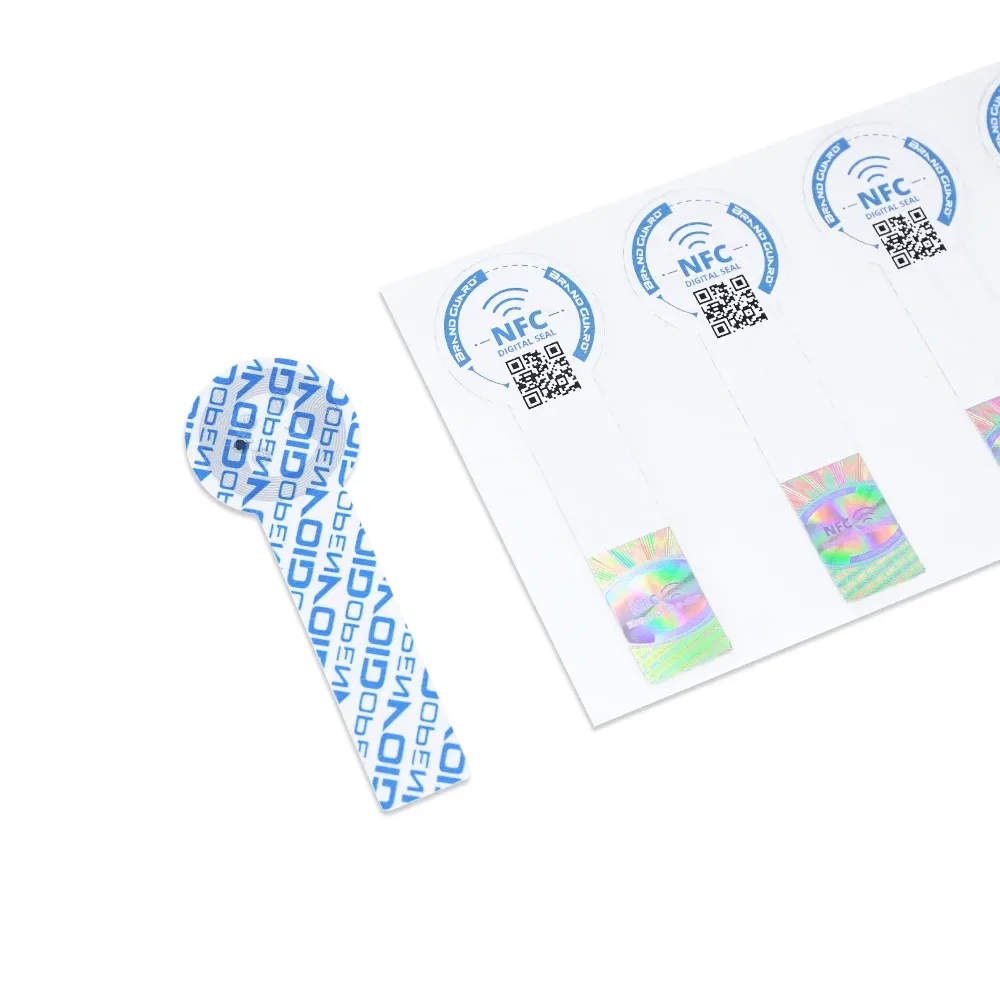
NFC labels
NFC-enabled adhesive labels for authentication, tap-to-verify and item-level customer interactions.
Abrir esta família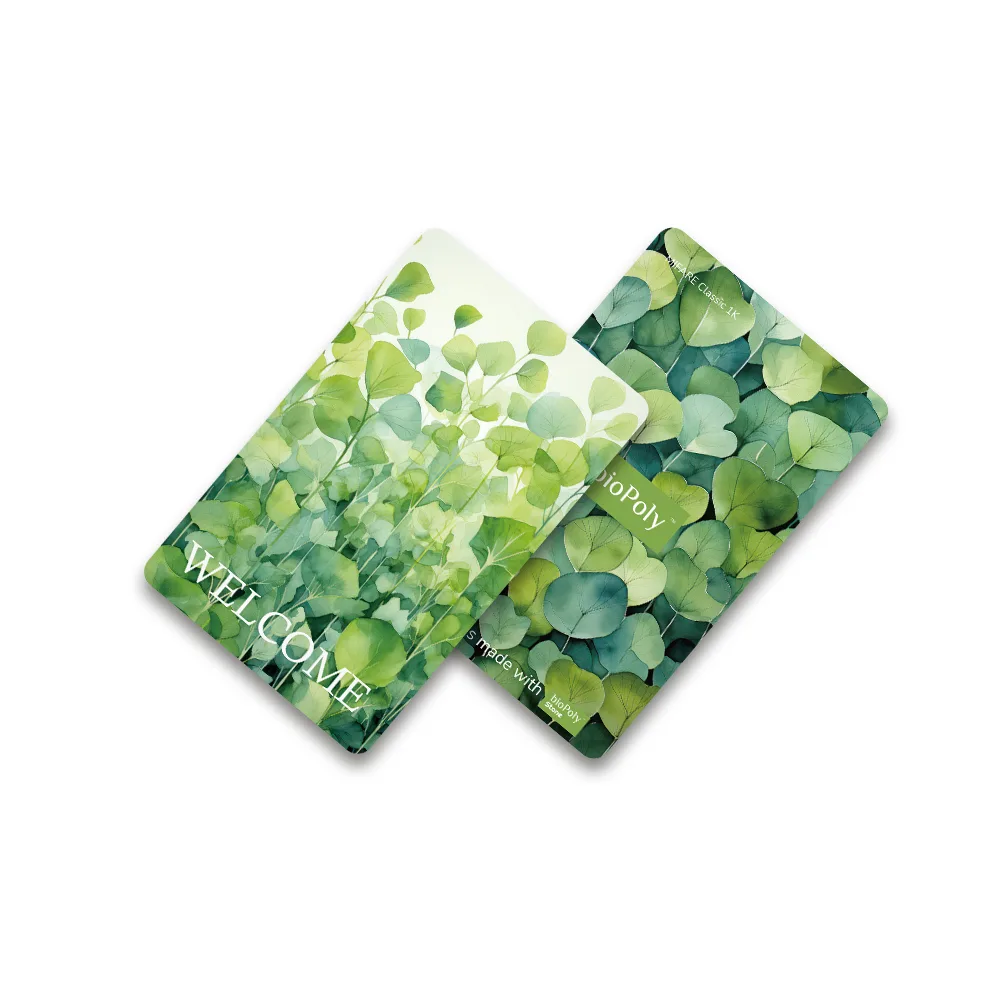
RFID cards
Contactless cards, key cards and customer cards for access, loyalty, identity and verification reads.
Abrir esta família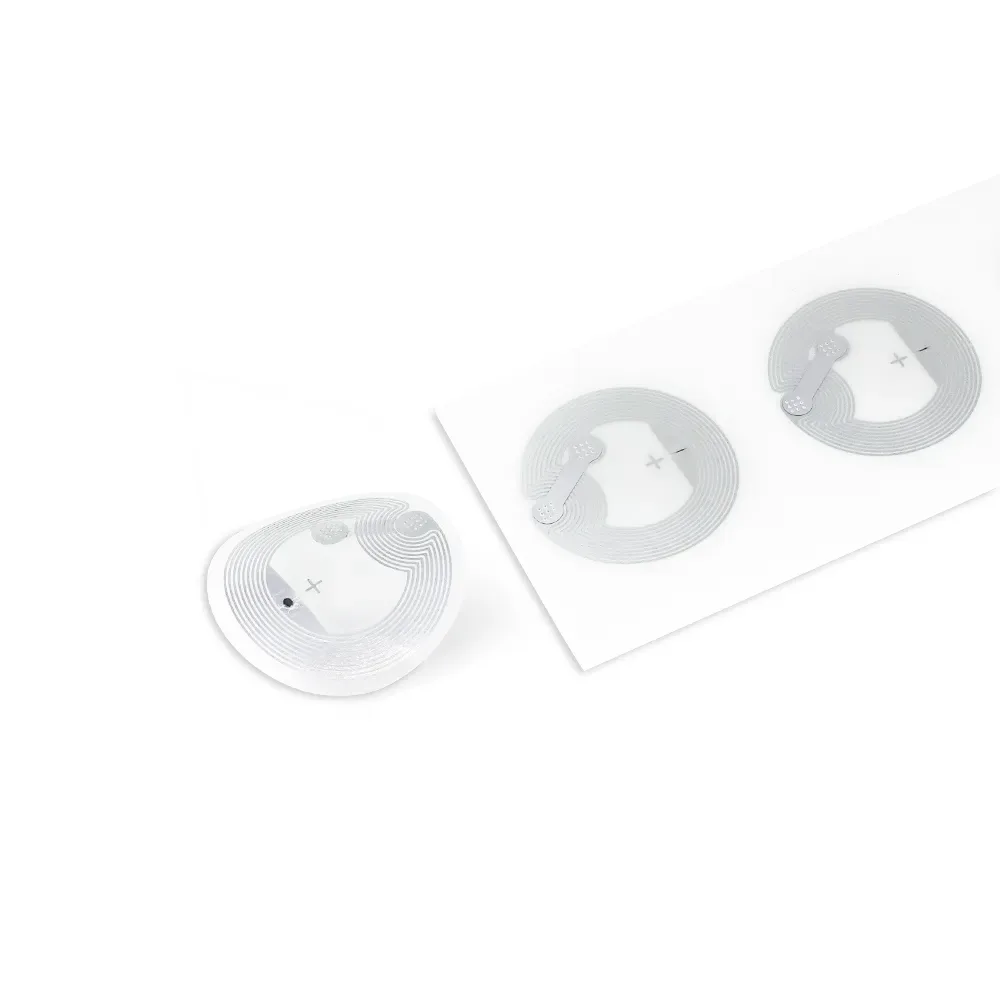
RFID inlays
Wet and dry inlays for label conversion, embedding and application-specific antenna formats.
Abrir esta família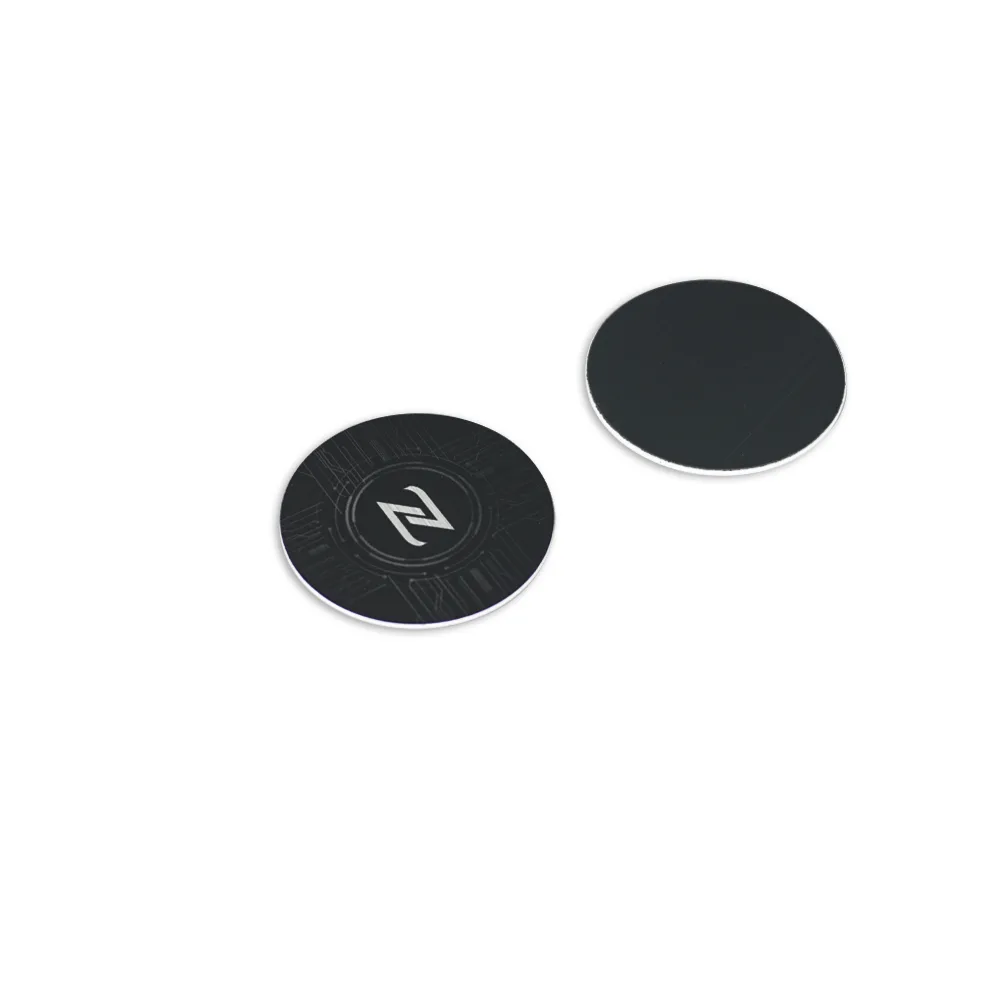
RFID industrial tags
Industrial-grade on-metal tags for harsh environments, long-range reads and repeatable asset identity.
Abrir esta família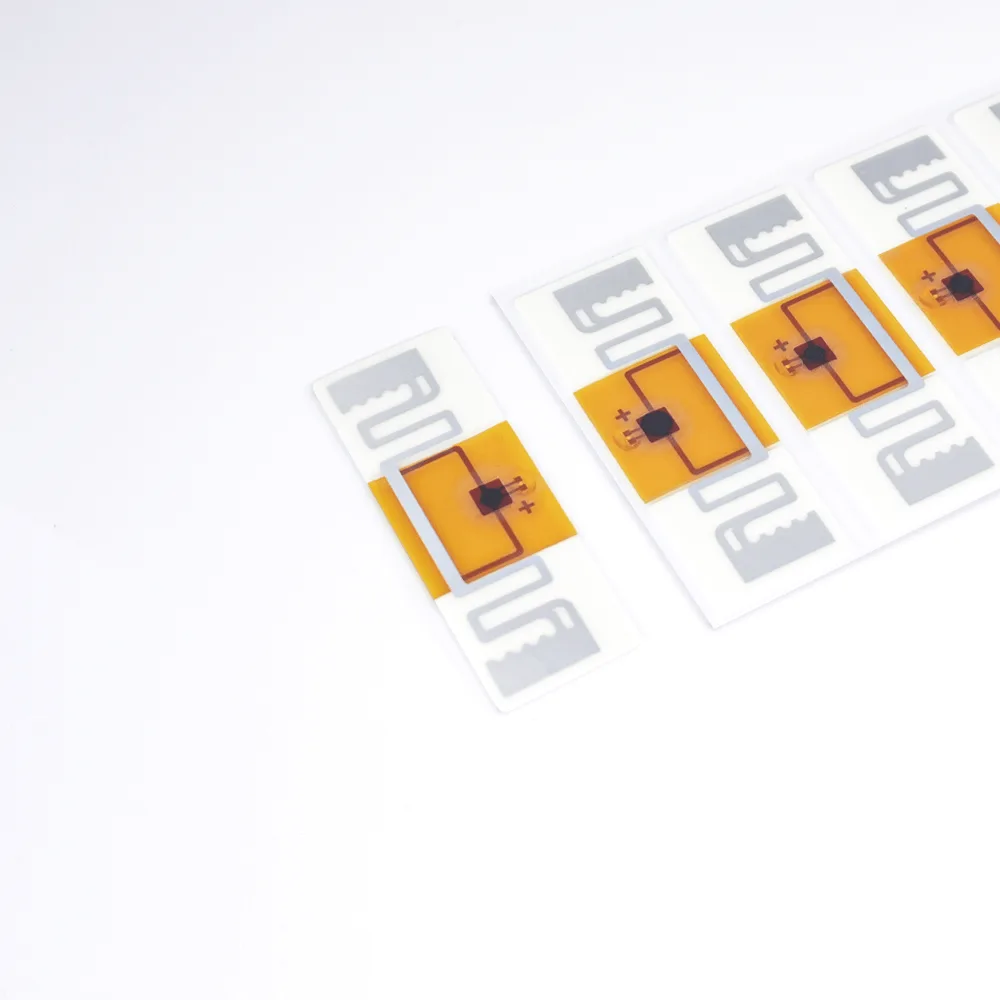
RFID LED tags
UHF on-metal tags with LED feedback to locate an asset visually during a search or cycle count.
Abrir esta família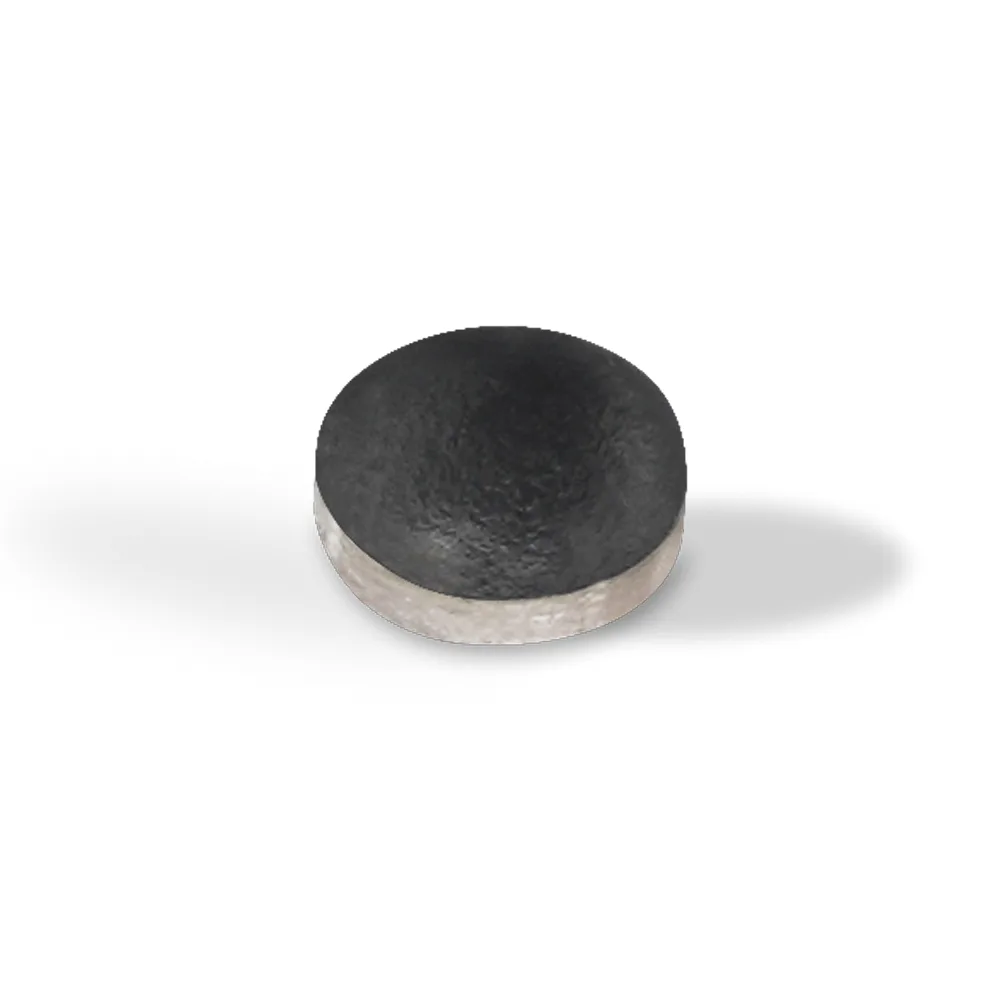
RFID PCB tags
PCB-based on-metal tags for industrial equipment, tools and reusable assets needing a rigid construction.
Abrir esta família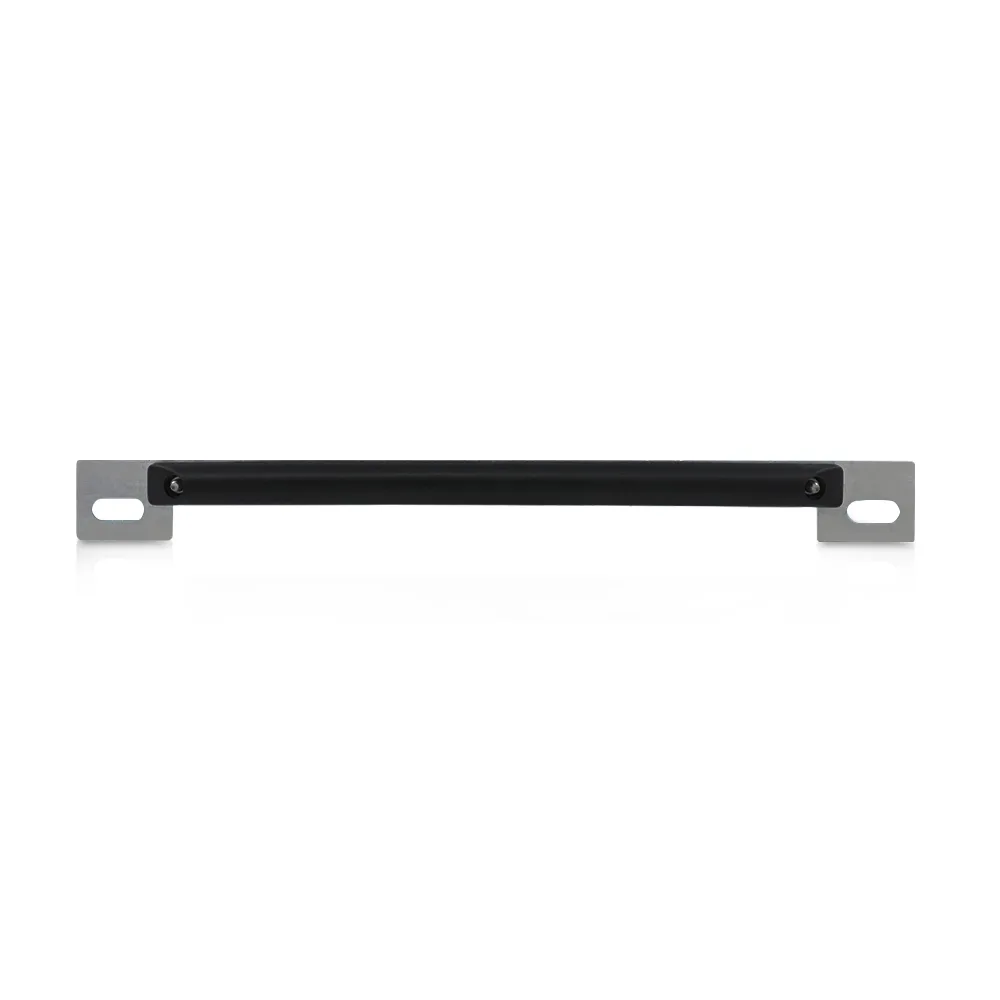
RFID license plate tags
On-metal license plate and vehicle tag constructions for fleet, yard and asset identification.
Abrir esta família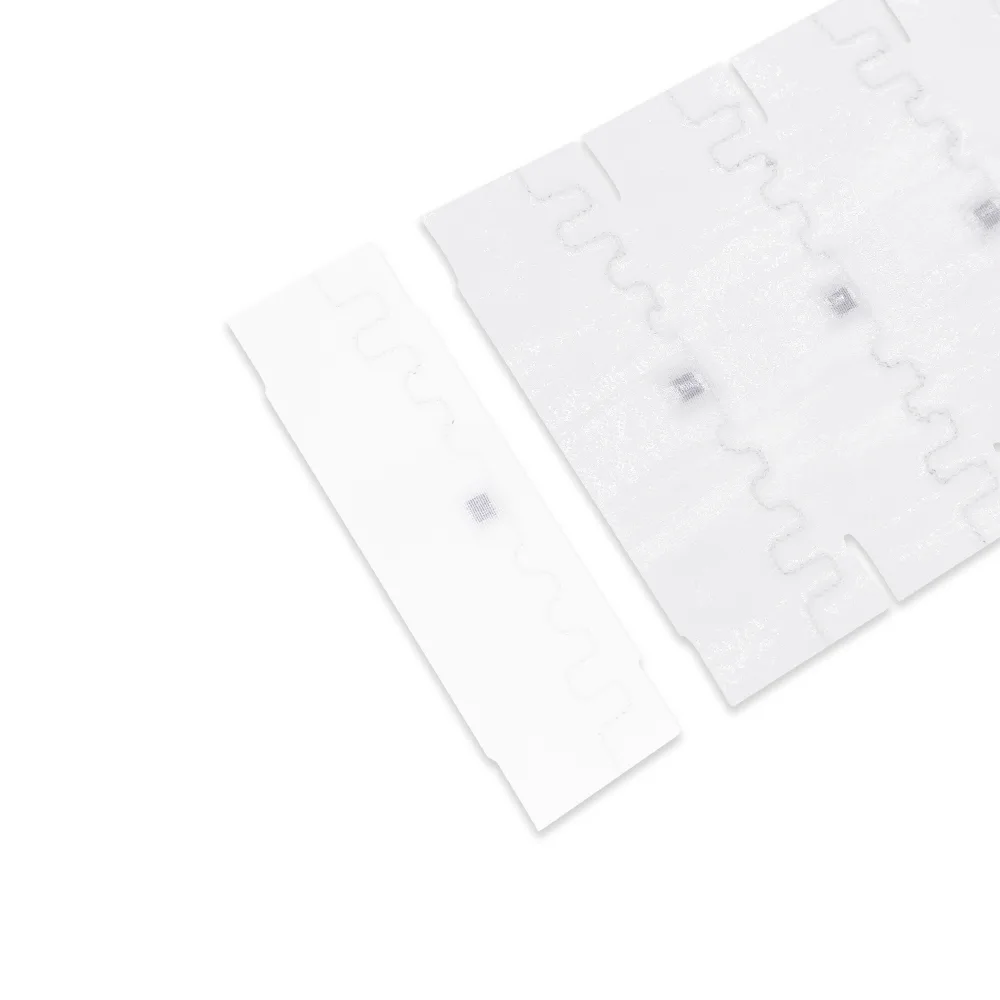
RFID laundry tags
Heat-press and PPS laundry tags for textile tracking through washing, drying and pressing cycles.
Abrir esta família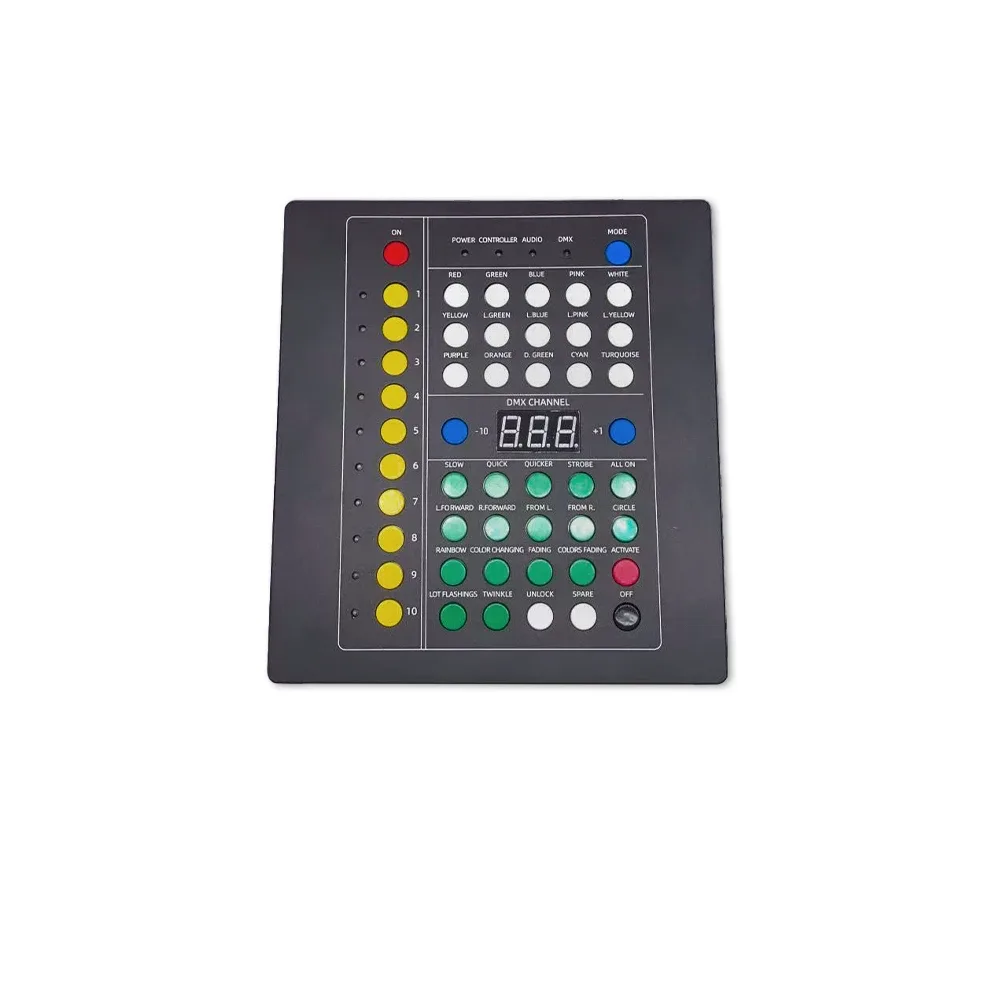
RFID wristbands
Silicone HF, LF and UHF wristbands for events, access, cashless payment and wearer identification, including the companion control units that drive them.
Abrir esta família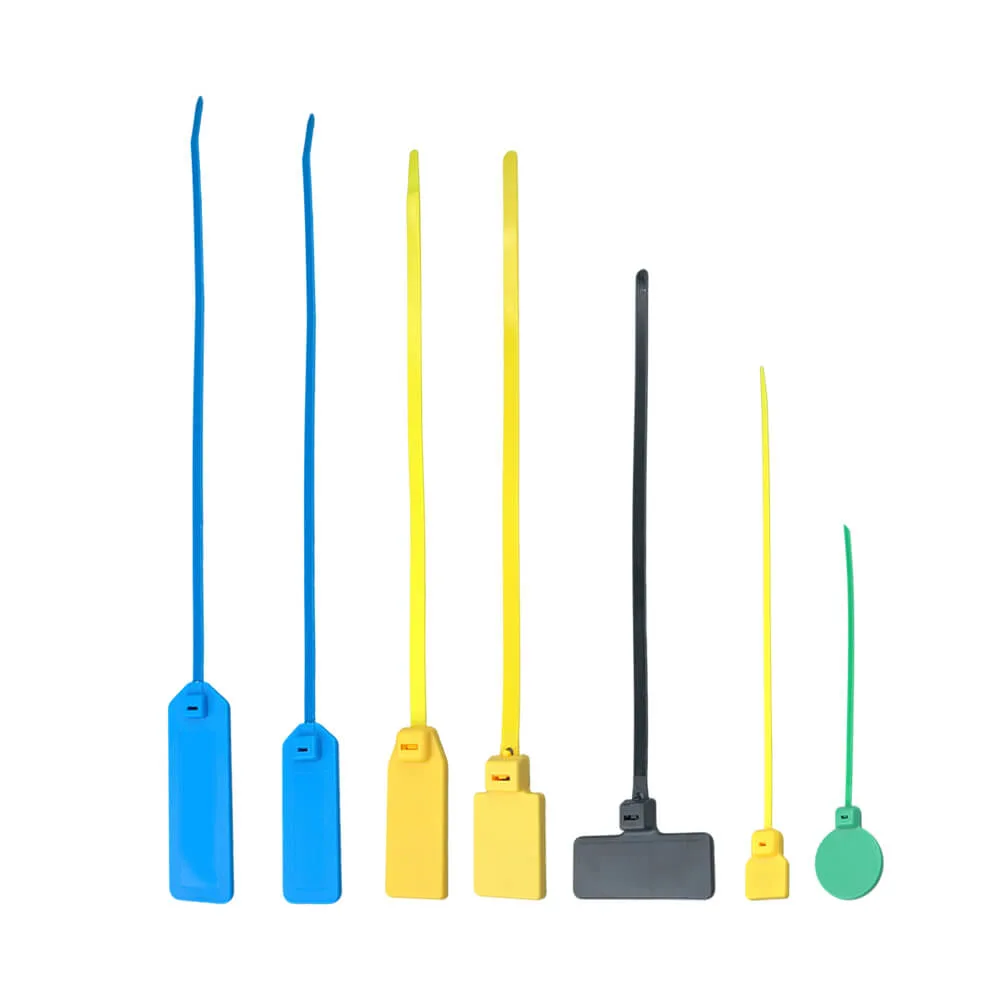
RFID cable tie tags
Cable-tie tag constructions for assets, cables, pipes and containers where a wrap-on attachment is required.
Abrir esta família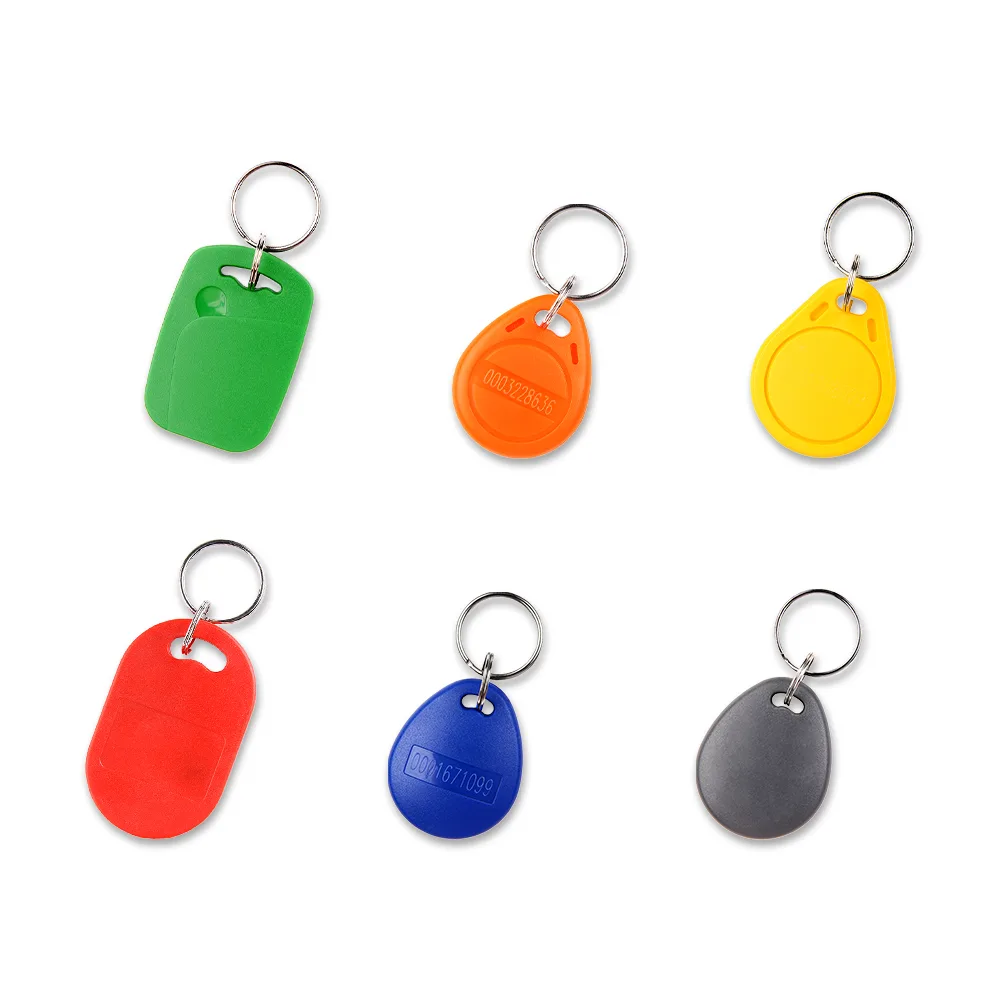
RFID key fobs
ABS key fobs and token formats for access, identity and asset ownership in carry-friendly form.
Abrir esta família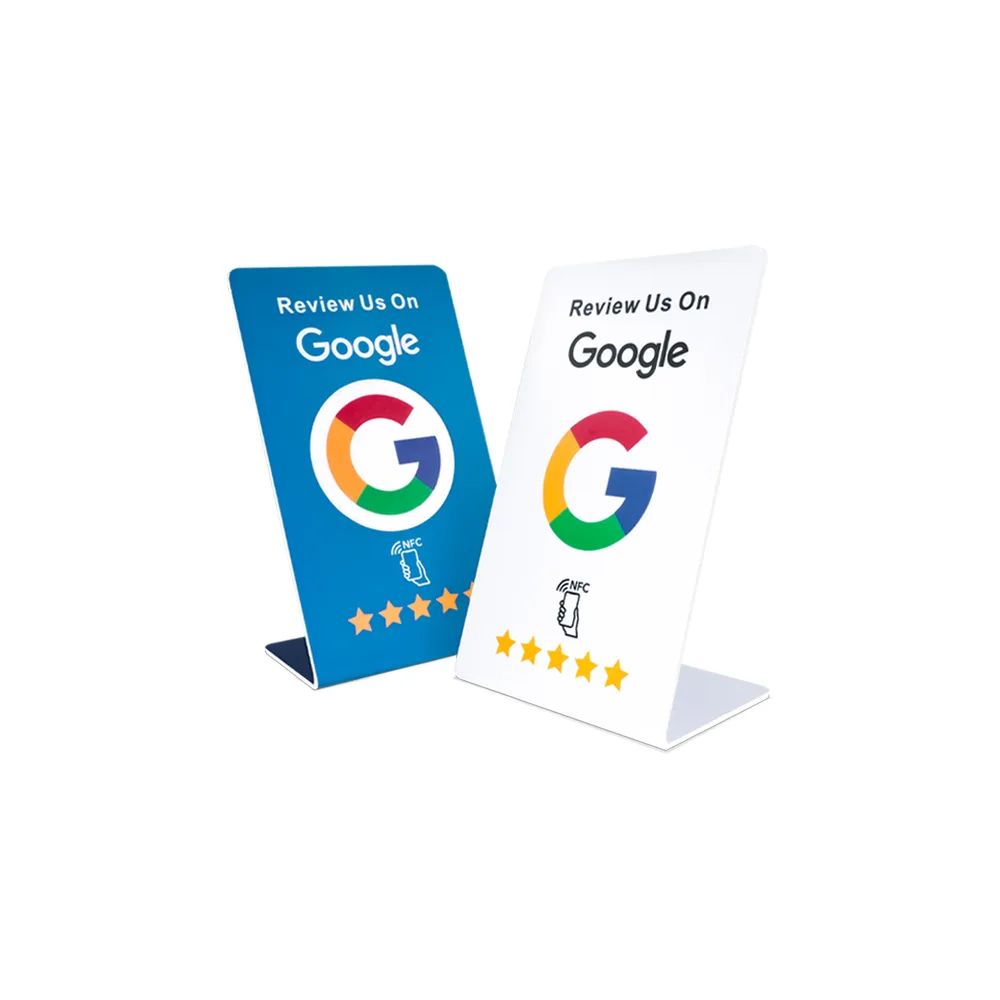
NFC review cards
PVC NFC review and feedback cards for tap-to-review, ratings and guided customer interactions.
Abrir esta família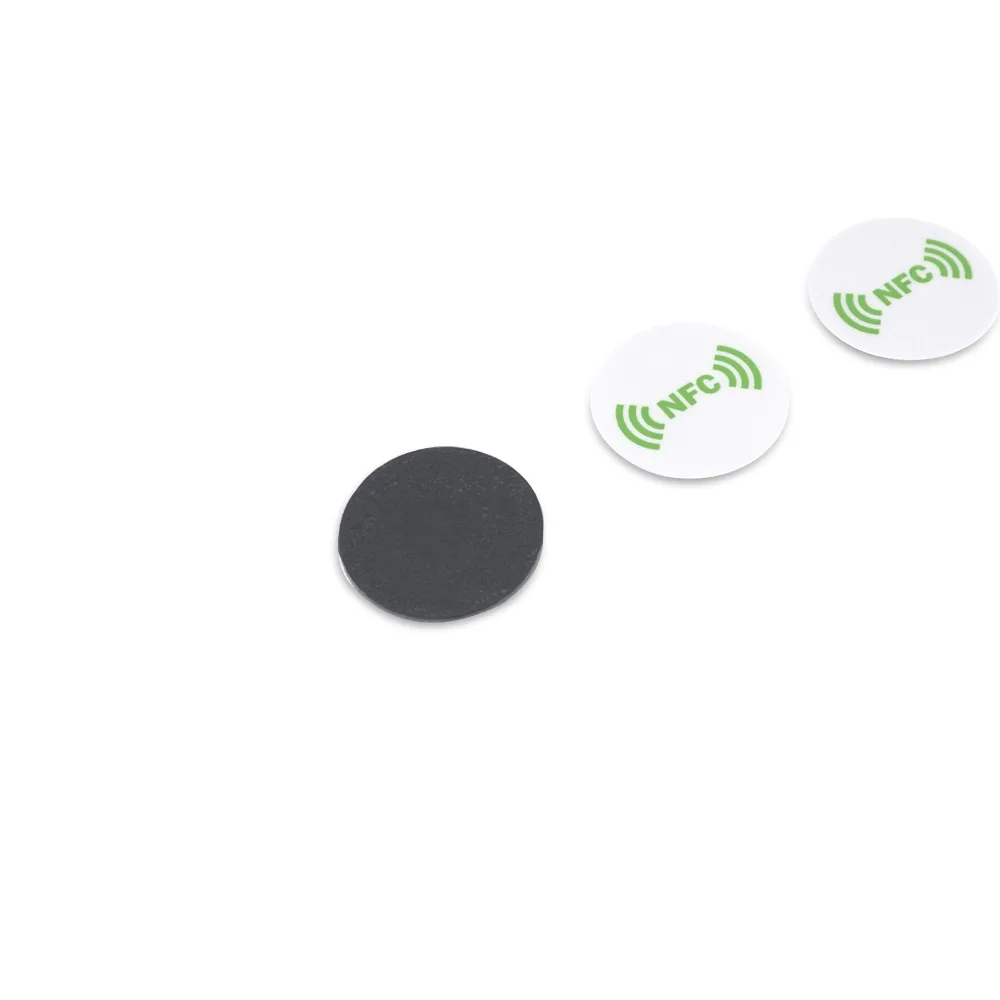
NFC garment badges
Silicon NFC garment badges for staff identity, tap-to-info and wearable brand interactions.
Abrir esta família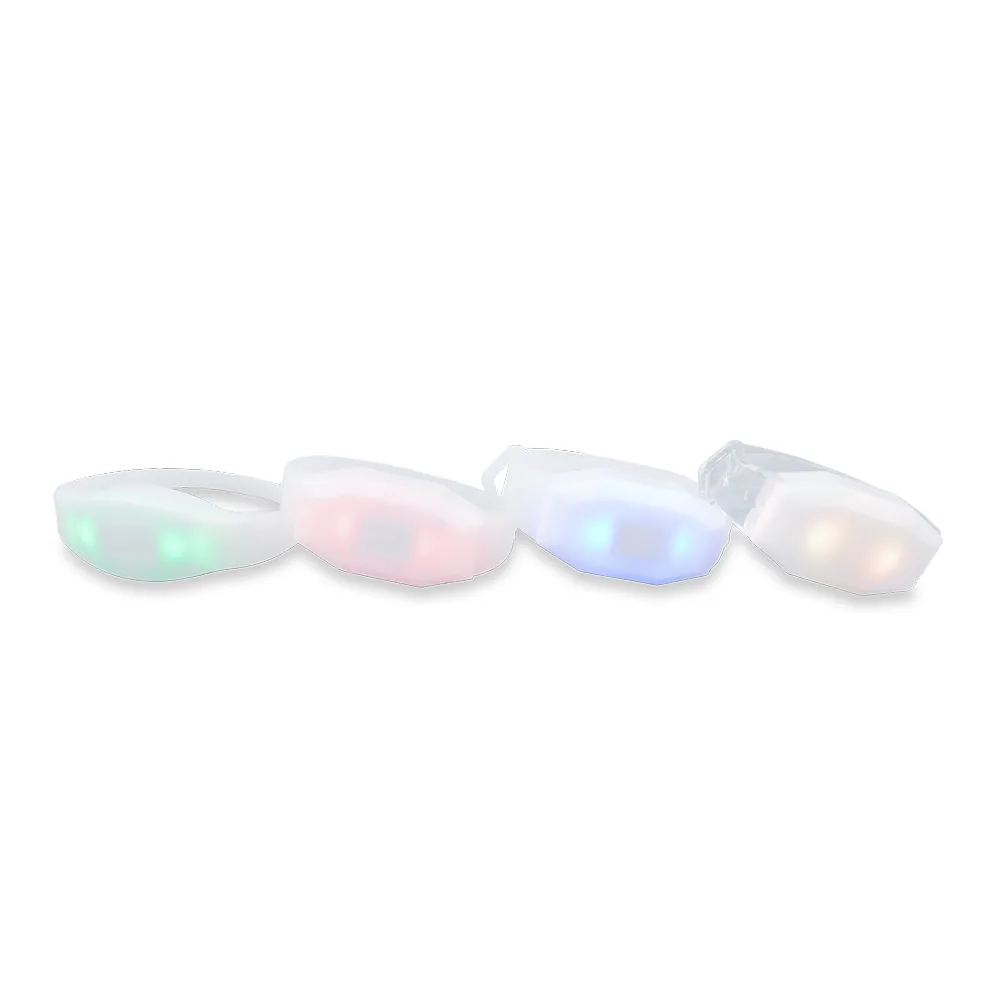
NFC LED wristbands
NFC LED wristbands for events, access control, engagement and tap-triggered light feedback.
Abrir esta família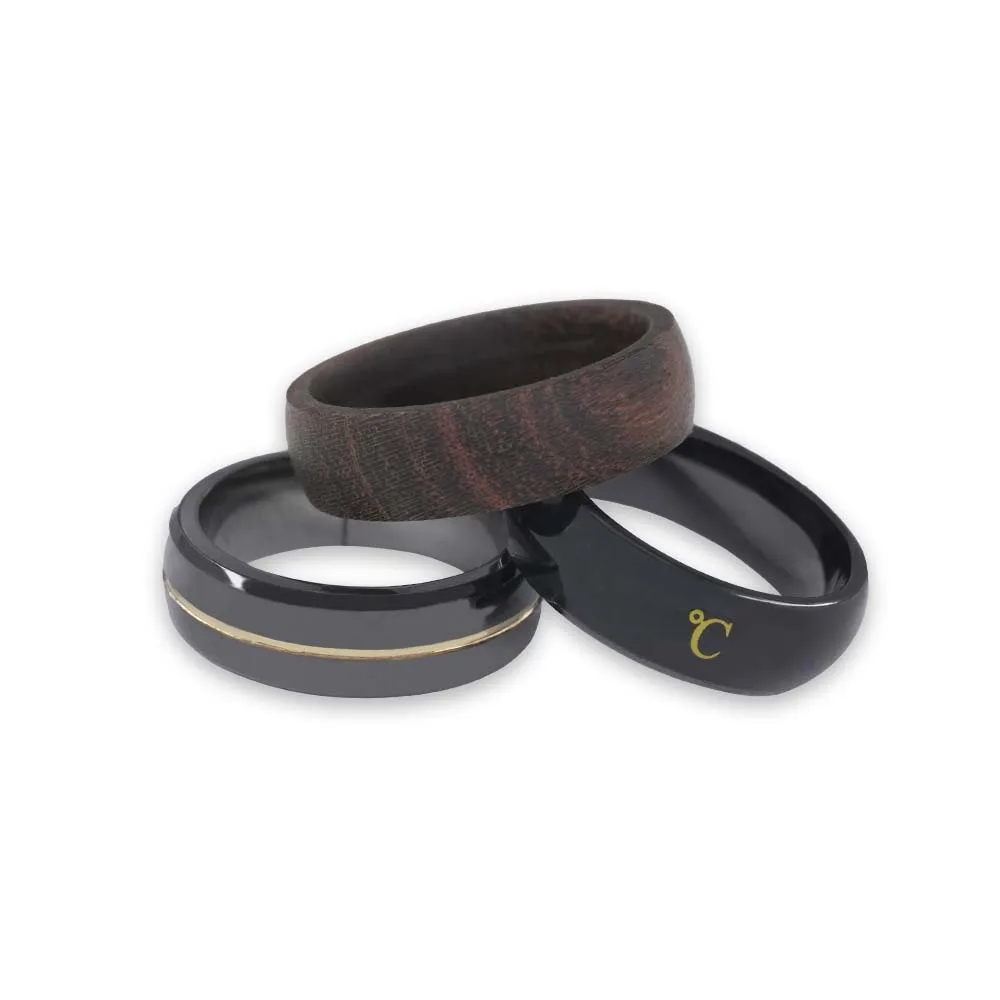
NFC rings
Wearable NFC ring constructions for tap-to-act identity, access and contactless convenience.
Abrir esta família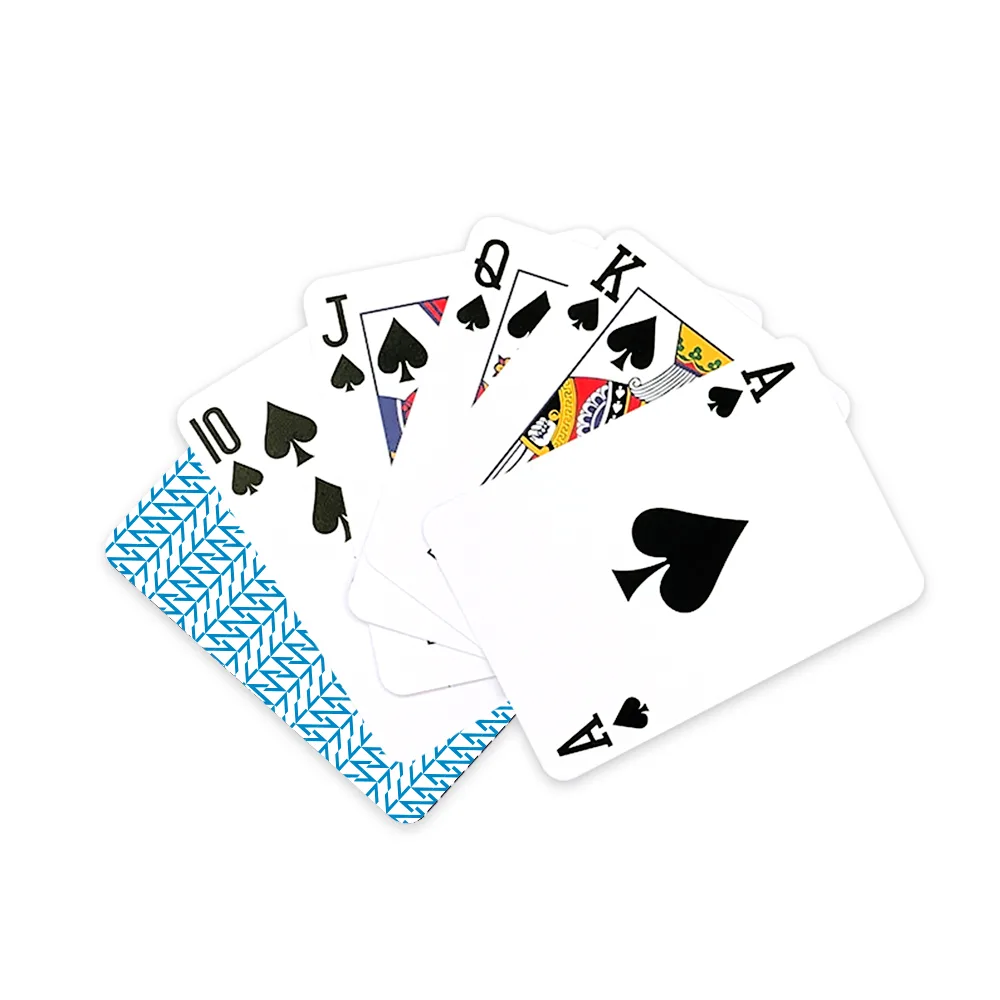
RFID playing cards
RFID playing cards with stacked-card reading for gaming tables and card-shoe workflows.
Abrir esta família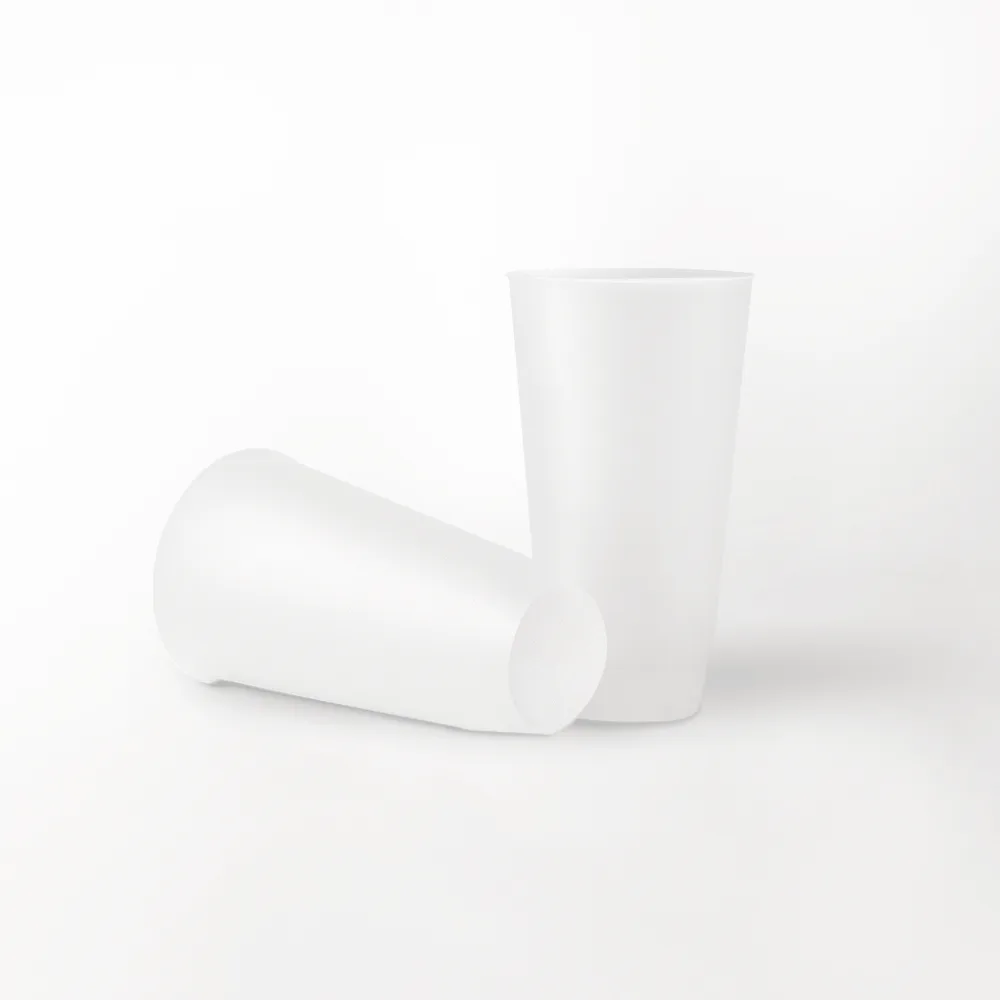
RFID recyclable cups
RFID-enabled cups for returnable cup pools, deposit tracking and closed-loop reuse workflows.
Abrir esta família04 / COMO FUNCIONA A SELEÇÃO
Três perguntas
antes de um número de modelo.
O que tem de ser identificado?
A unidade de identidade vem primeiro: uma caixa, um item serializado, uma ferramenta, um contentor reutilizável ou uma pessoa. Quando uma caixa mista tem de resolver-se como caixa e como item, defina a hierarquia de tags antes de escolher o formato.
Ler o guia de seleção de tagsQual é a superfície e o ponto de leitura?
Metal, líquido, curvatura e embalagem densa mudam o comportamento de um tag; uma porta, um tapete rolante e uma contagem conduzida por pessoas mudam o que leitor e antena precisam fazer. Ambos os lados são testados em conjunto em itens representativos.
Planear um teste de amostraQue sistema recebe o evento?
Uma leitura só se torna útil quando o sistema de destino aceita um evento definido com um responsável e um percurso de exceção. A seleção de leitor, antena e middleware segue esse contrato em vez de o liderar.
Rever a integração de sistemas
05 / FAQ PRODUTO
Perguntas feitas
antes do primeiro orçamento.
Start from the object and the moment it must be identified. Items that move through a person-led count usually begin with a handheld reader and media; a doorway, dock or workstation event usually begins with a fixed reader, antenna and a software handoff. Software and middleware matter in both cases, because the read only becomes useful when the destination system receives a clean event.
A single profile can cover a project-specific configuration while a media family can hold hundreds of catalogue entries, so a raw count says more about how the catalogue is filed than about the work in front of you. Each family page states the exact number of profiles it lists.
No. Where the catalogue publishes a figure it appears as a per-unit planning reference, not a quoted price. Radio region, configuration, certification, volume and destination change the real number, and those are confirmed at quote review.
Yes, and it is confirmed in writing rather than inferred from a catalogue page. Share the destination country, the item and the target read so the response can state the exact model, radio configuration, certification and lead time.
The request is routed to selection, sample testing, integration or deployment support. The next response recommends a representative test, a configuration review or a quote, depending on how much of the item and environment is already defined.
RFIDBRIDGE / INÍCIO DO PROJETO
Traga o item e
o alvo de leitura.
Envie o material, o movimento, o destino e a leitura alvo. A resposta seguinte recomenda um teste representativo, uma revisão de configuração ou um orçamento.
Request a project quote