Productos RFID para lectores, tags, etiquetas y software
Elige por lo que hay que identificar y dónde ocurre la lectura, no por el número de modelo. Cada familia siguiente es una página viva: formatos de lectores y soportes para el lado fijo, móvil y de impresión-codificación de un flujo, y segmentos de catálogo para los tags, etiquetas, tarjetas e inlays que llevan la identidad en el artículo.
Los equipos de puntos de lectura y los soportes de artículo se listan como familias separadas, porque un formato de lector incluye unos pocos perfiles verificados mientras que una familia de soportes puede contener cientos de entradas de catálogo. Compara dentro de una familia y confirma el modelo, la región de radio y la certificación en la revisión del presupuesto.
01 / TRES VÍAS DE ENTRADA
Empieza por el
trabajo, no por el modelo.
Necesito el lado del lector
Lectores portátiles y fijos, estaciones de impresión-codificación, antenas, portales y el middleware que los respalda.
Abrir las familias de equipos ROUTE 02Necesito el lado de los tags y soportes
Etiquetas, tarjetas, inlays, tags ponibles e industriales: las construcciones que llevan la identidad en el artículo.
Abrir las familias de soportes ROUTE 03Todavía no estoy seguro
Describe el artículo, cómo se mueve y dónde ocurre la lectura. El Solution Finder acota la primera configuración.
Usar el Solution Finder02 / EQUIPOS DE PUNTO DE LECTURA Y MÓVILES
El equipo que realiza la lectura.
Lectores portátiles, fijos, de escritorio y estaciones de impresión-codificación, más los componentes de antena que configuran una zona de lectura. Cada familia es primero una decisión de formato — dónde ocurre la lectura y quién resuelve la excepción — y después una decisión de modelo.
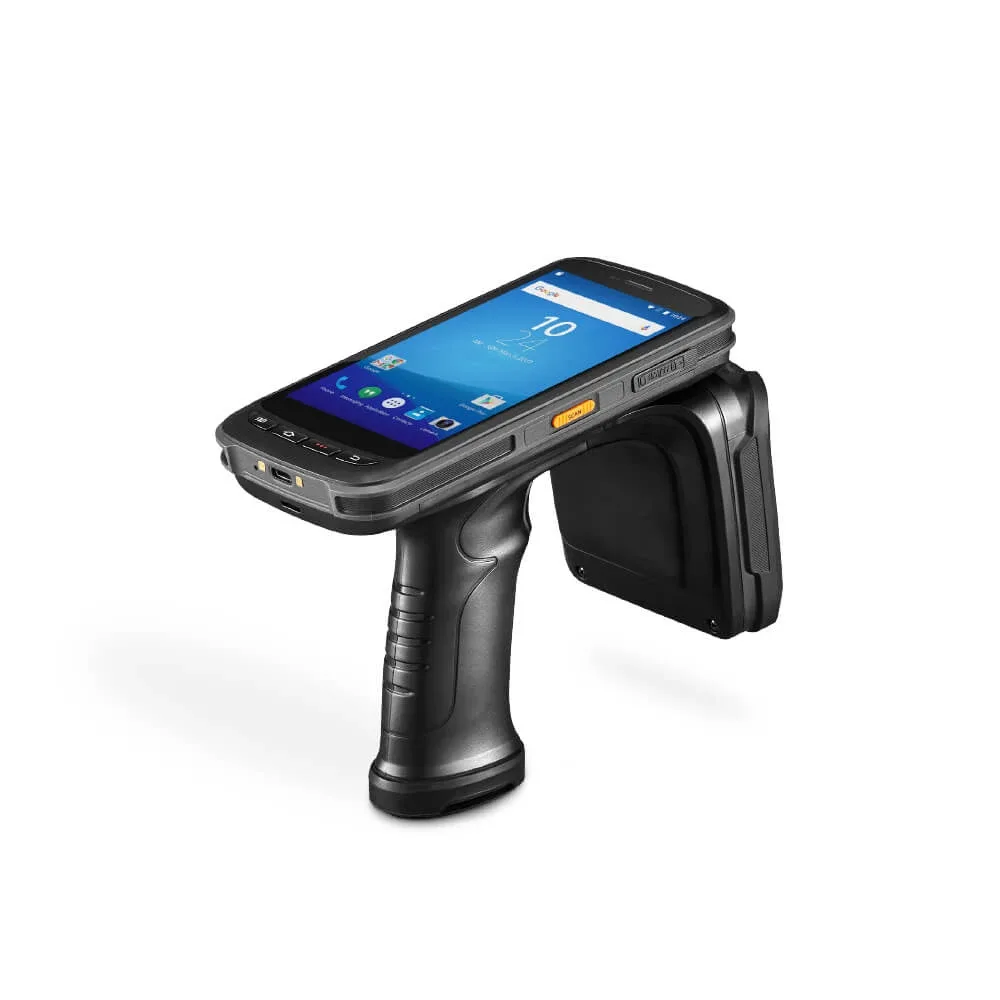
UHF RFID handheld readers
Rugged mobile readers and host-device sleds for inventory counts, receiving, asset checks and exception handling.
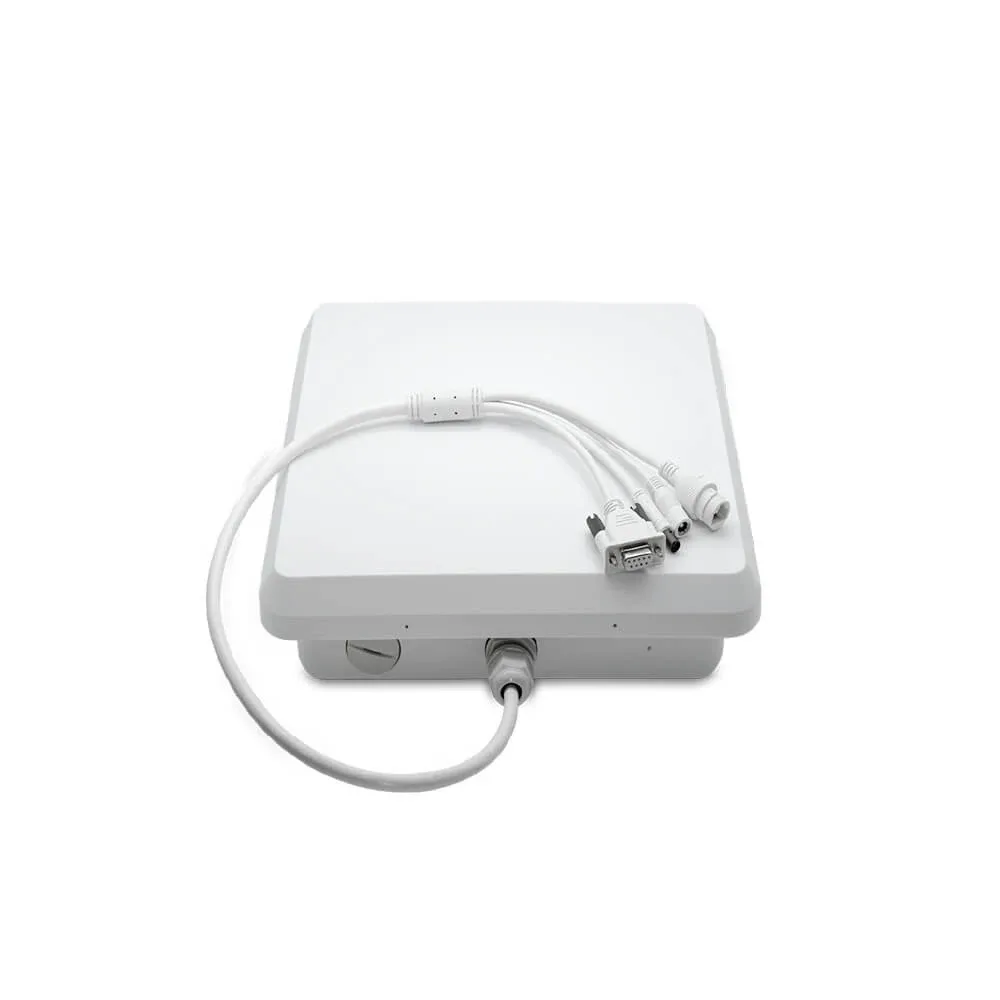
Fixed RFID readers
Reader configurations for controlled zones at docks, stations, portals and work cells.
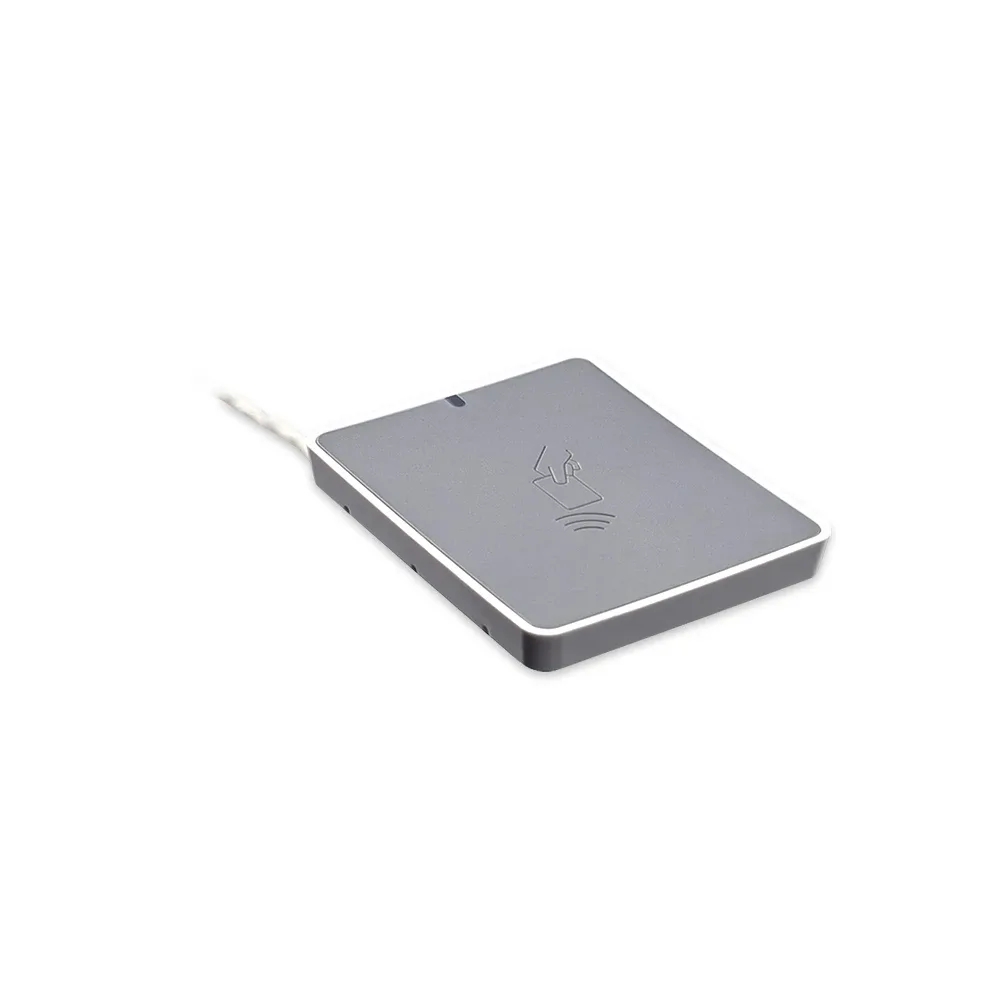
Desktop RFID readers
Close-range read and encode points for desks, packing benches and controlled verification.
RFID readers (NFC/HF)
Desktop, fixed and mobile NFC/HF readers and reader-writers for controlled close-range read points.
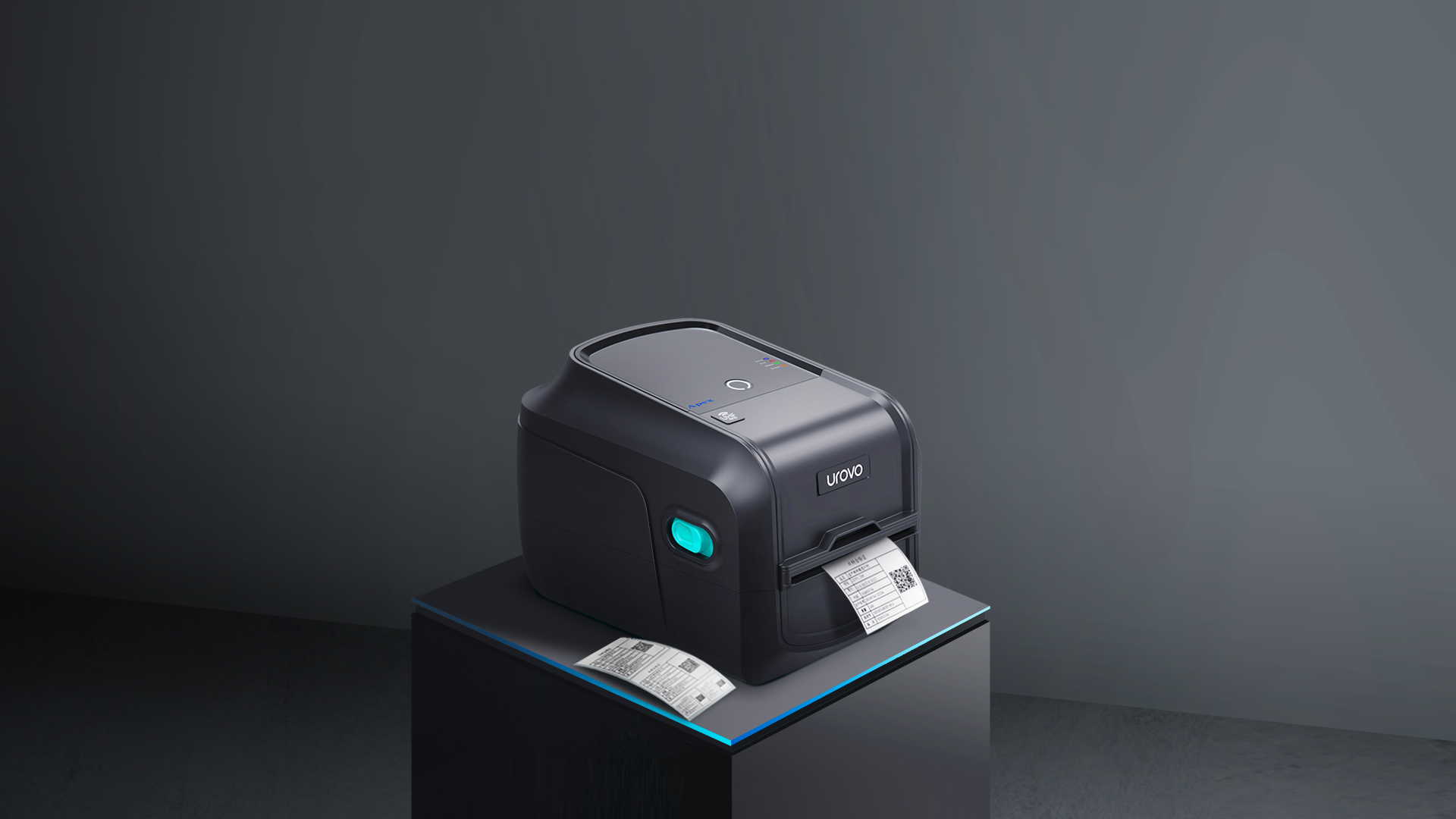
RFID printers and encoders
Print, encode and verify serialized RFID labels where identity enters the process.
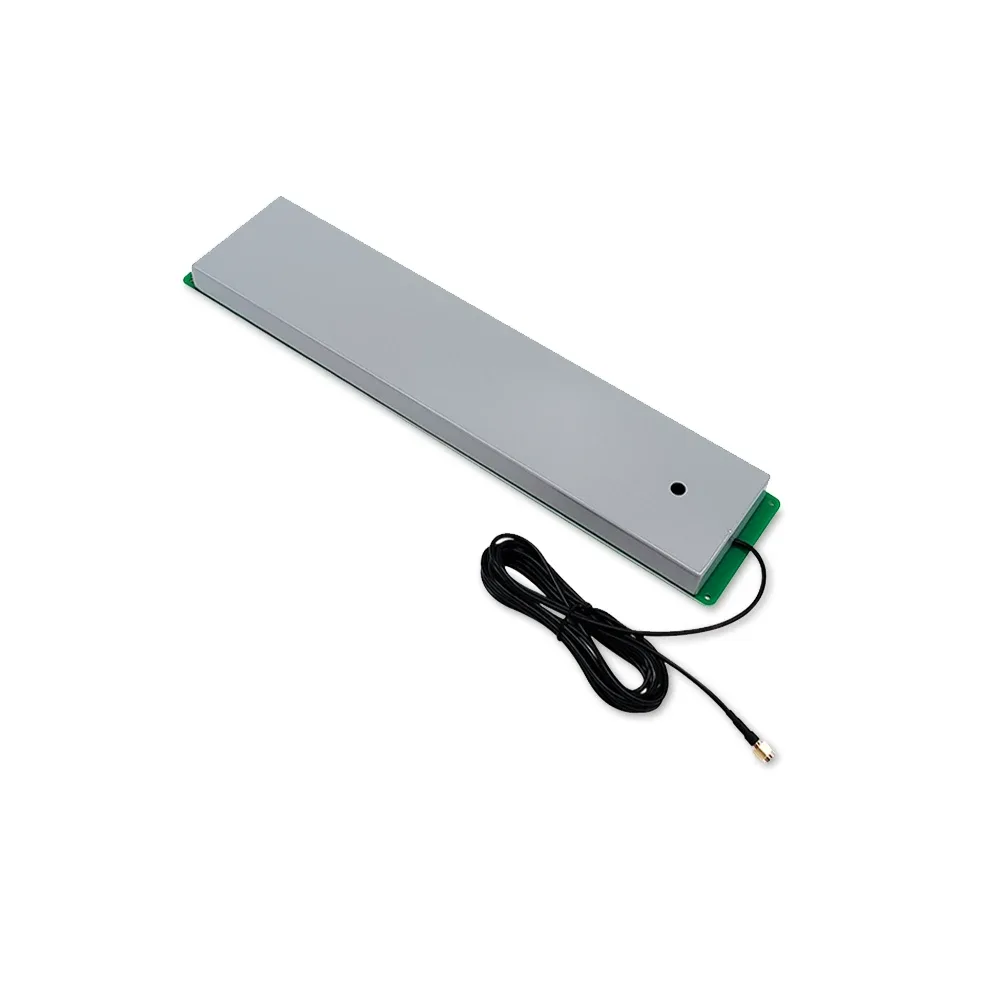
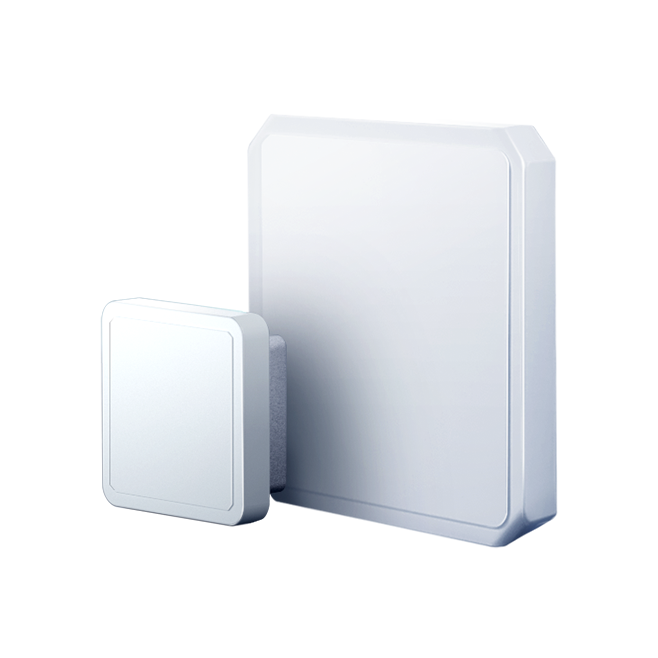
RFID antenna components
HF and UHF antenna components for fixed read points, trays and workstations where the antenna itself shapes the read zone.
03 / TAGS, ETIQUETAS Y SOPORTES
La identidad que viaja en el artículo.
Etiquetas, tarjetas, inlays, tags ponibles e industriales. Aquí es donde el catálogo es más profundo y donde la superficie, la fijación y el ciclo de vida deciden el formato mucho antes que el número de pieza.
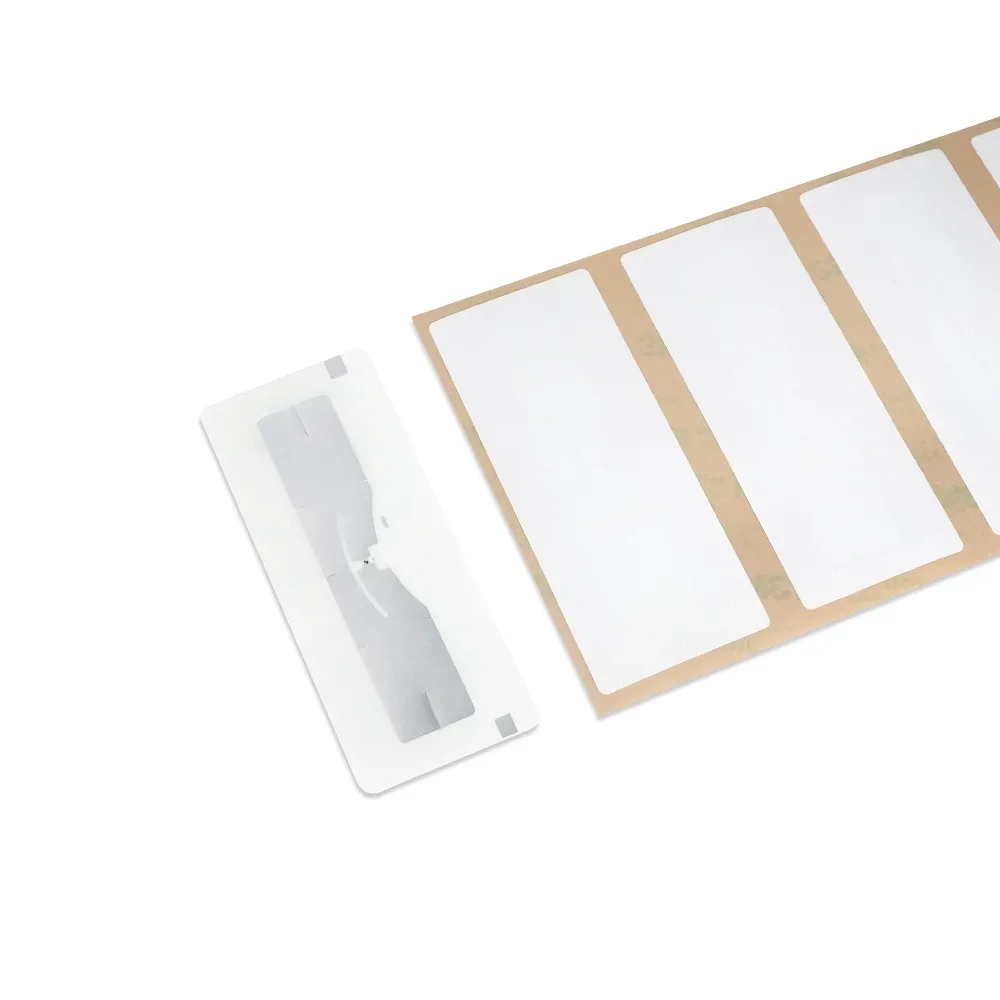
RFID labels
Adhesive UHF and HF labels for items, cartons and packaging across retail, logistics and industrial workflows.
Abrir esta familia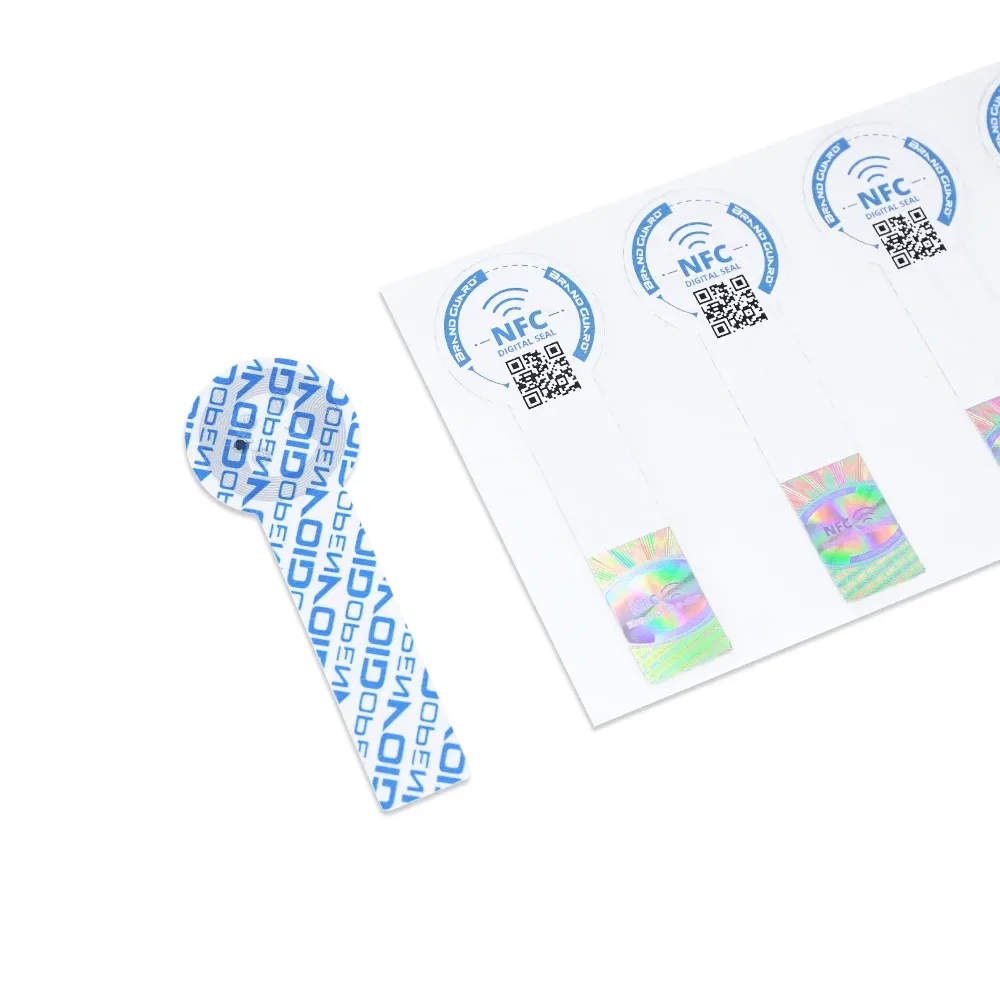
NFC labels
NFC-enabled adhesive labels for authentication, tap-to-verify and item-level customer interactions.
Abrir esta familia
RFID cards
Contactless cards, key cards and customer cards for access, loyalty, identity and verification reads.
Abrir esta familia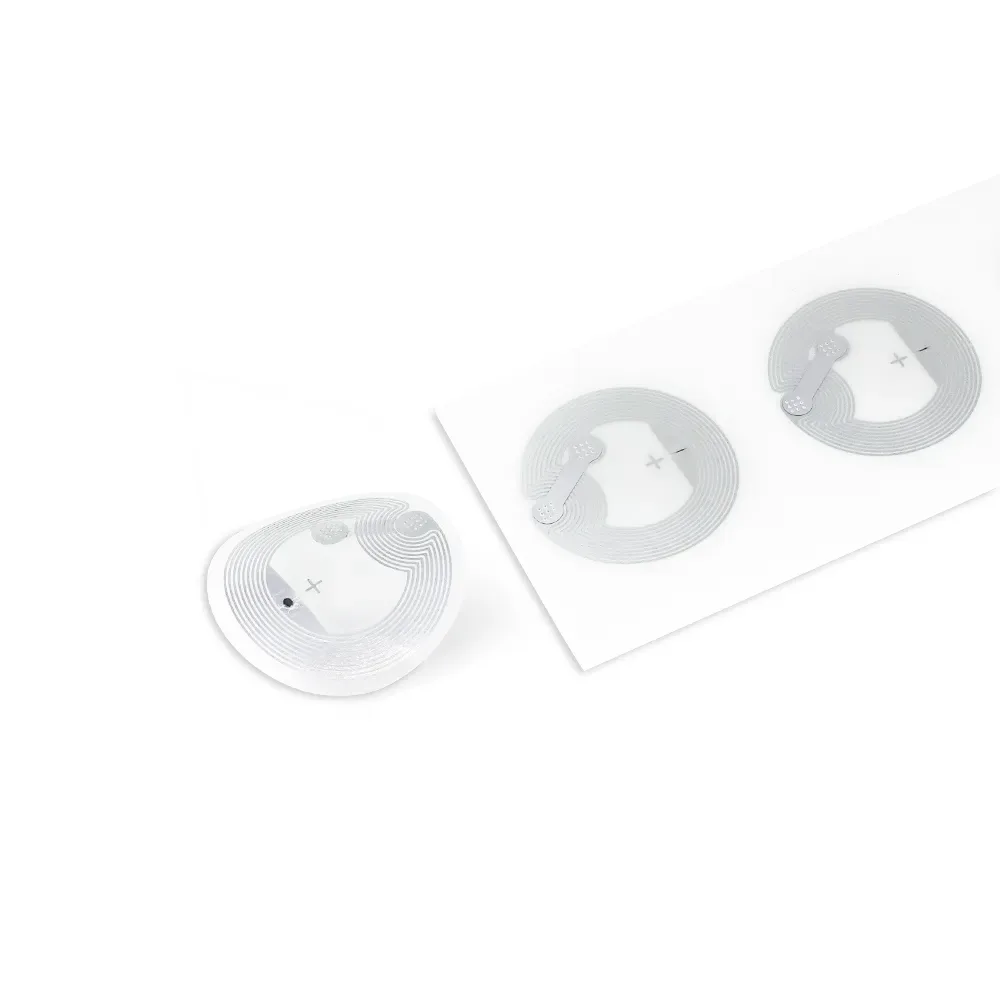
RFID inlays
Wet and dry inlays for label conversion, embedding and application-specific antenna formats.
Abrir esta familia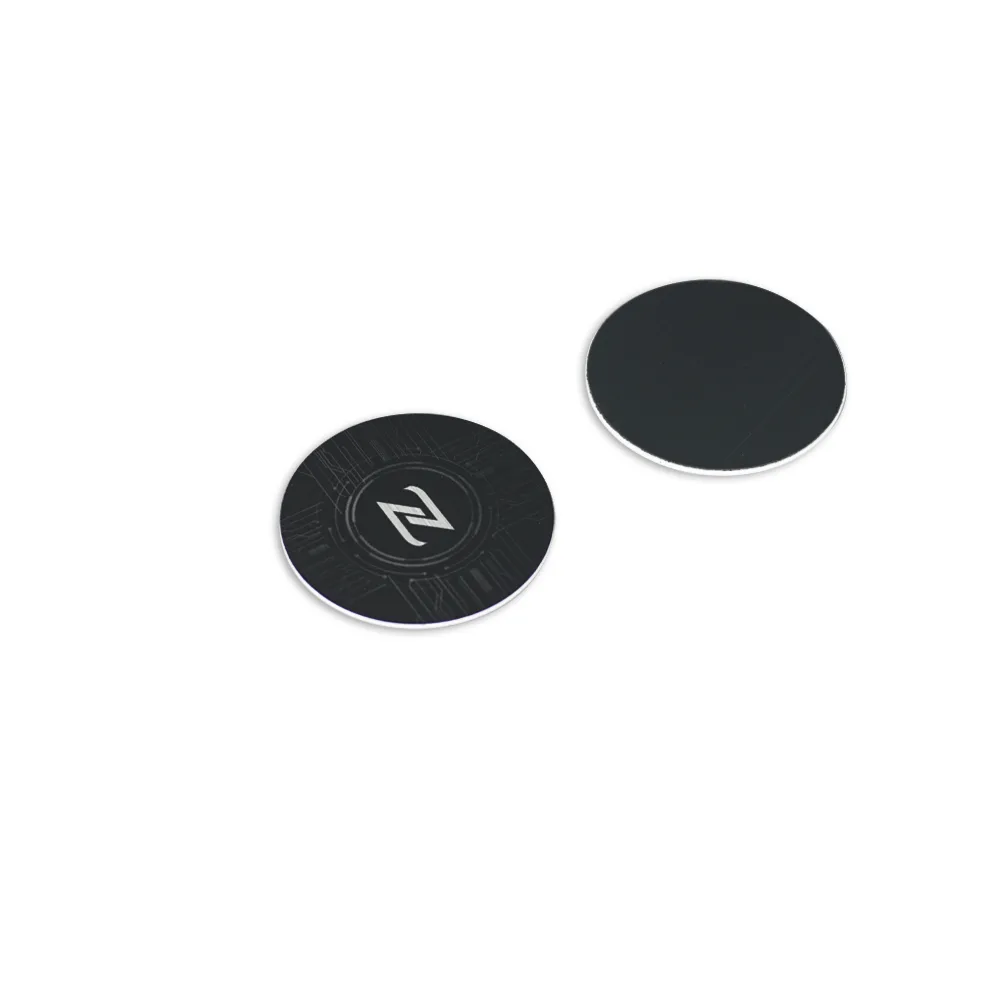
RFID industrial tags
Industrial-grade on-metal tags for harsh environments, long-range reads and repeatable asset identity.
Abrir esta familia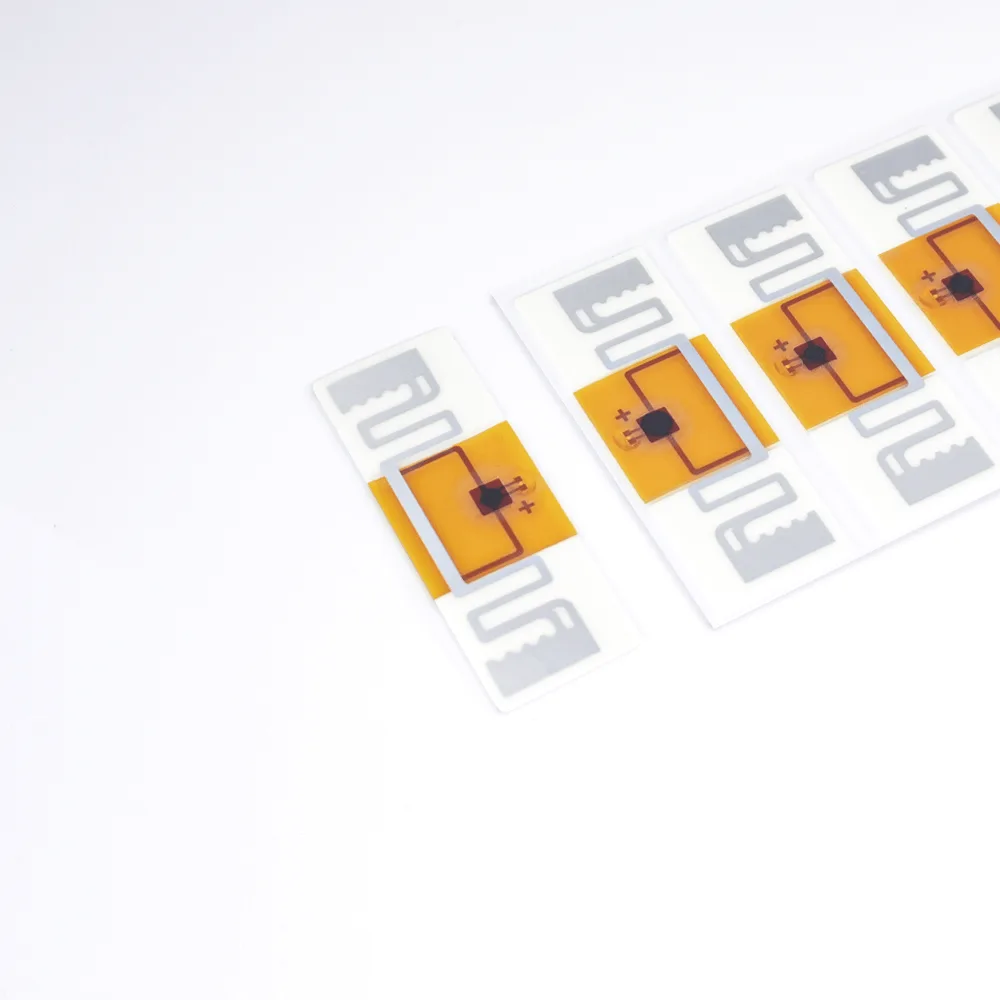
RFID LED tags
UHF on-metal tags with LED feedback to locate an asset visually during a search or cycle count.
Abrir esta familia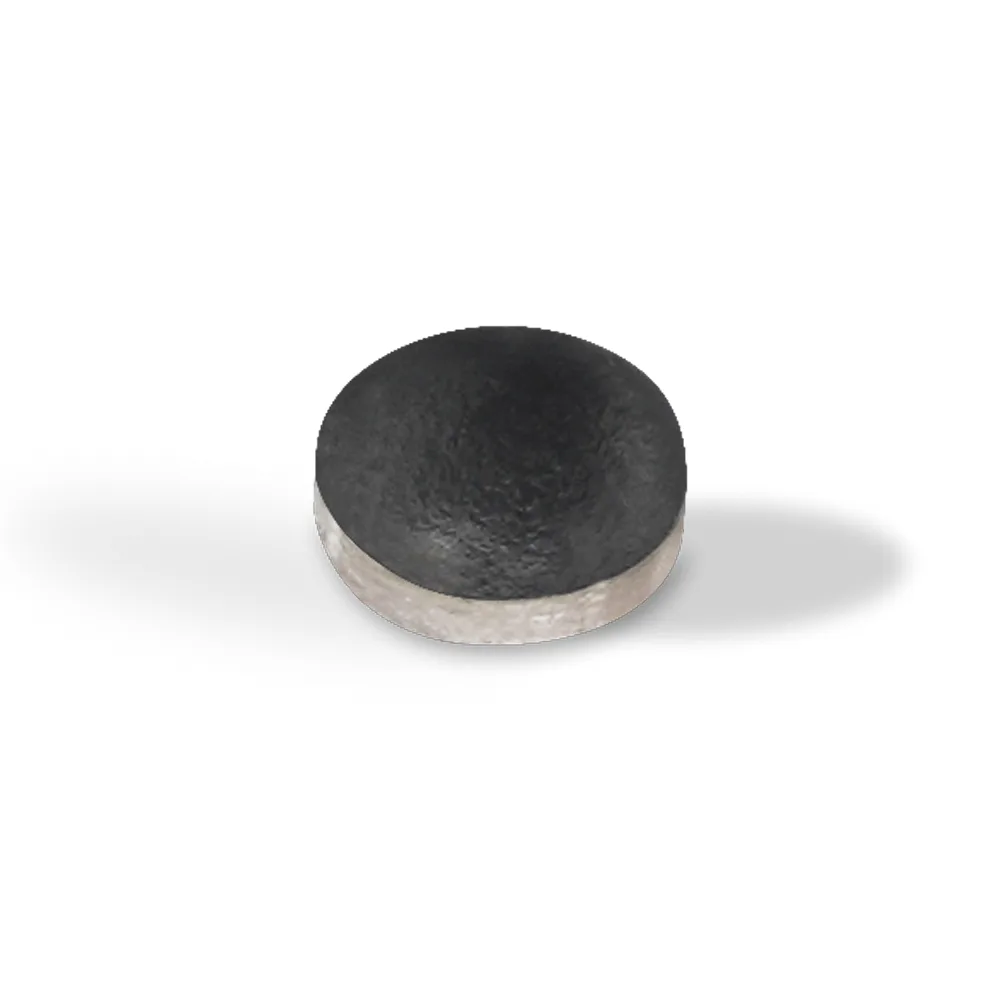
RFID PCB tags
PCB-based on-metal tags for industrial equipment, tools and reusable assets needing a rigid construction.
Abrir esta familia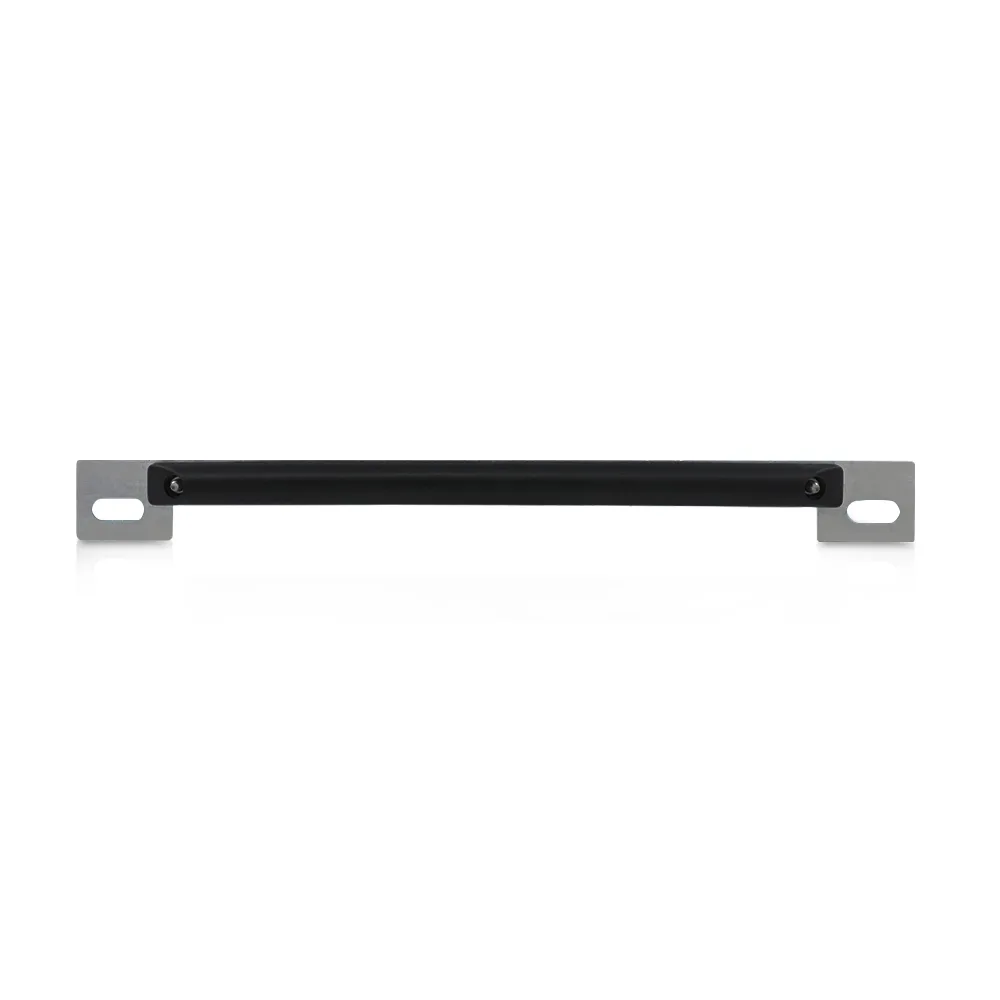
RFID license plate tags
On-metal license plate and vehicle tag constructions for fleet, yard and asset identification.
Abrir esta familia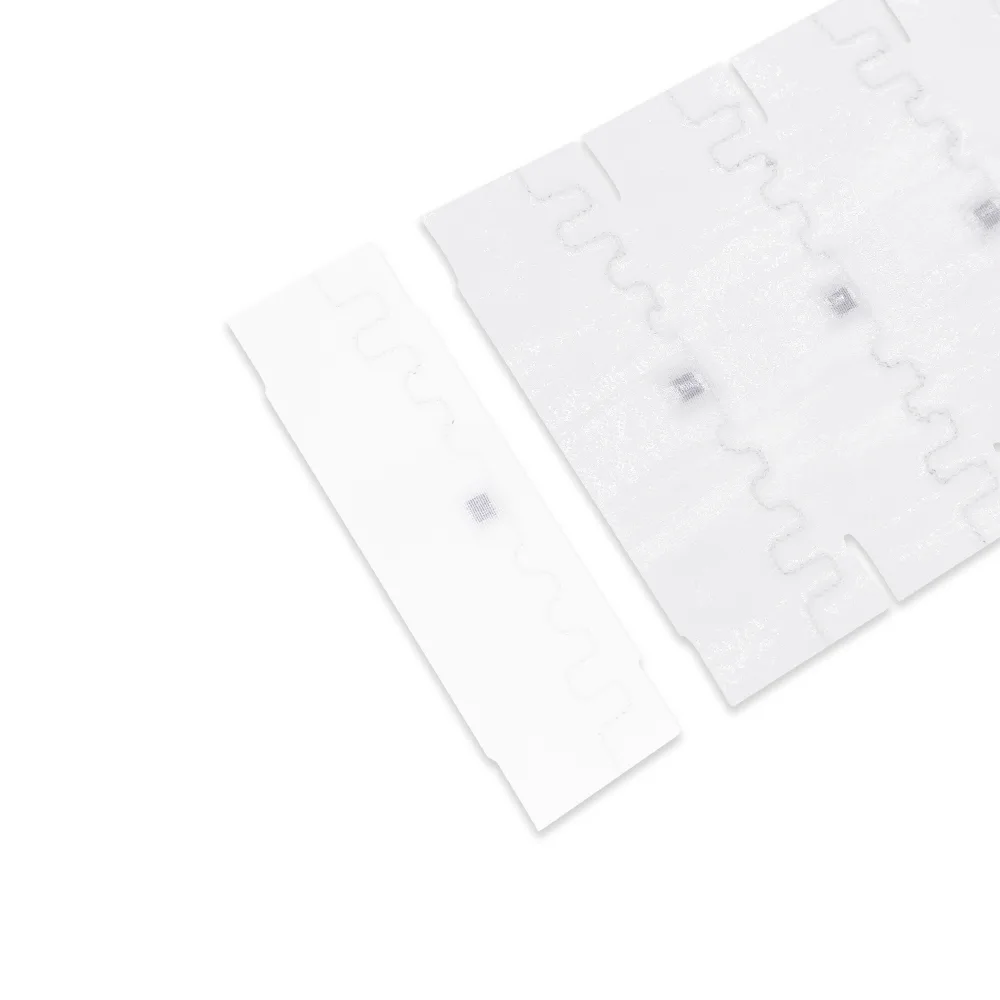
RFID laundry tags
Heat-press and PPS laundry tags for textile tracking through washing, drying and pressing cycles.
Abrir esta familia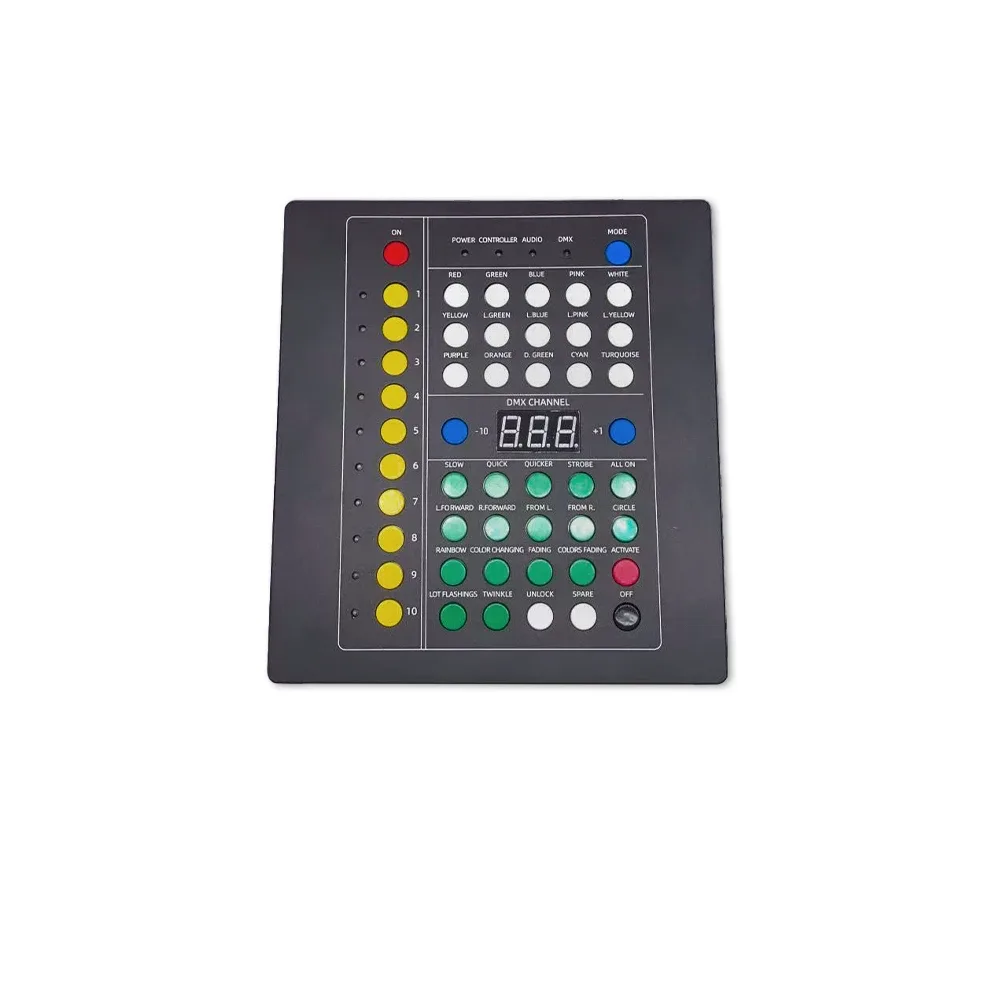
RFID wristbands
Silicone HF, LF and UHF wristbands for events, access, cashless payment and wearer identification, including the companion control units that drive them.
Abrir esta familia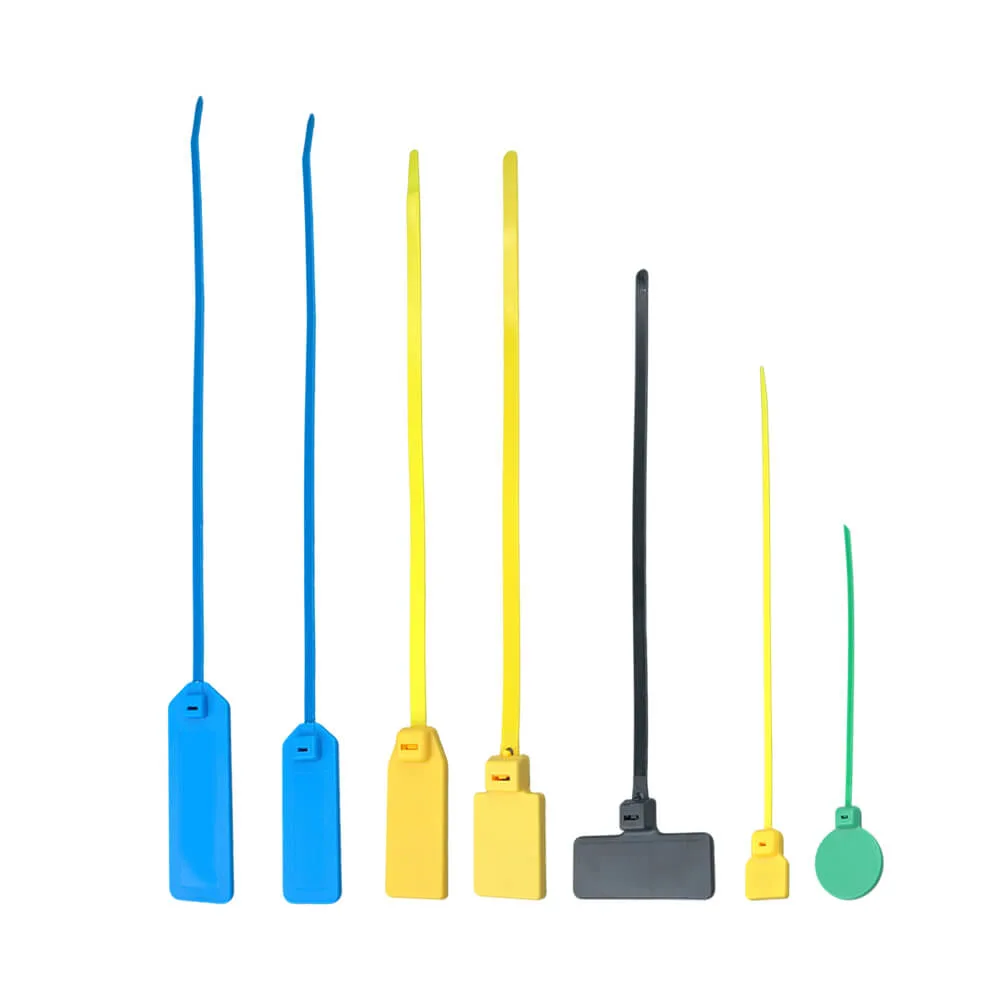
RFID cable tie tags
Cable-tie tag constructions for assets, cables, pipes and containers where a wrap-on attachment is required.
Abrir esta familia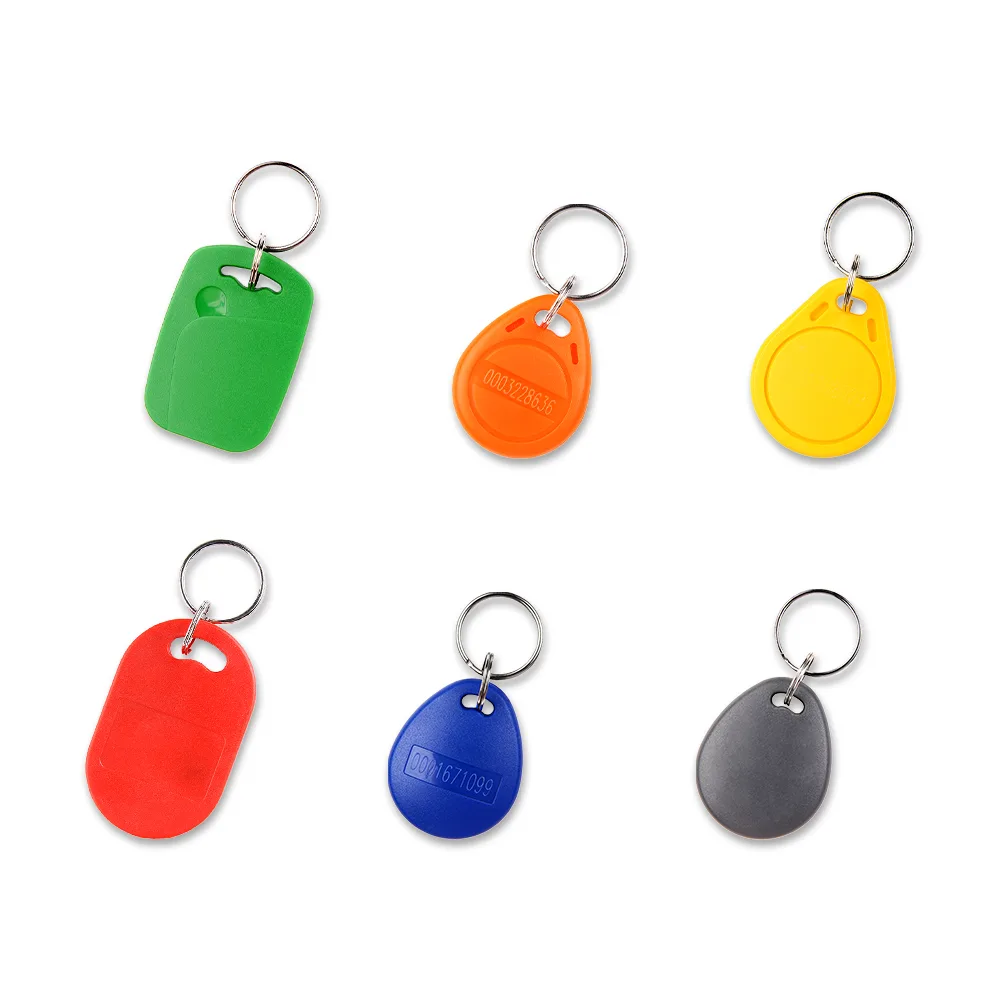
RFID key fobs
ABS key fobs and token formats for access, identity and asset ownership in carry-friendly form.
Abrir esta familia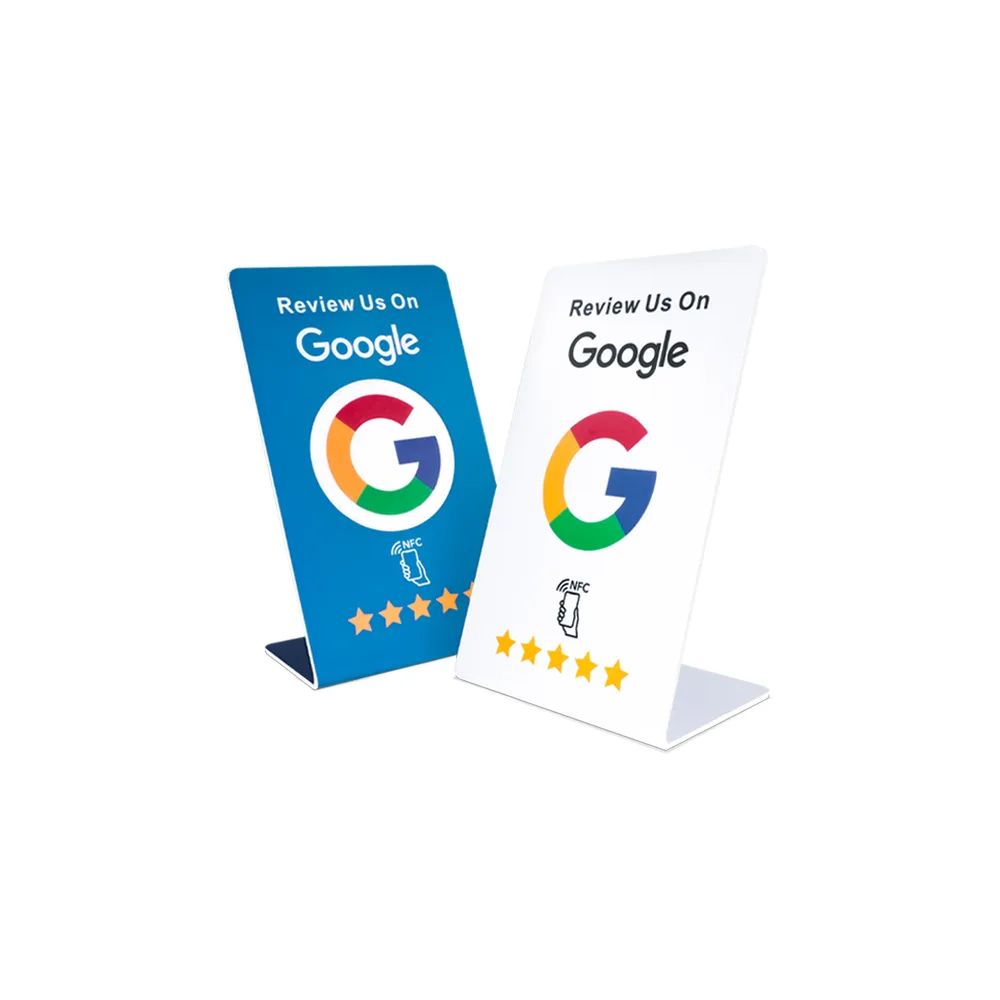
NFC review cards
PVC NFC review and feedback cards for tap-to-review, ratings and guided customer interactions.
Abrir esta familia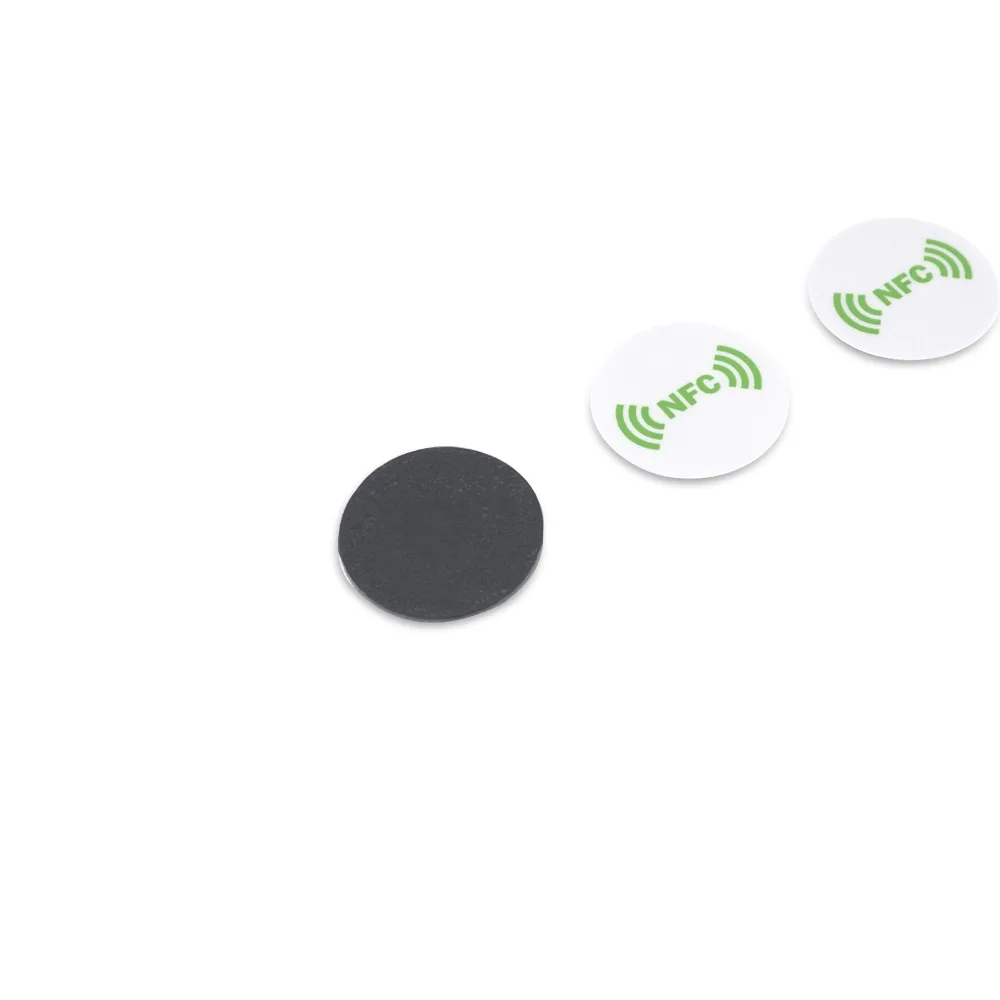
NFC garment badges
Silicon NFC garment badges for staff identity, tap-to-info and wearable brand interactions.
Abrir esta familia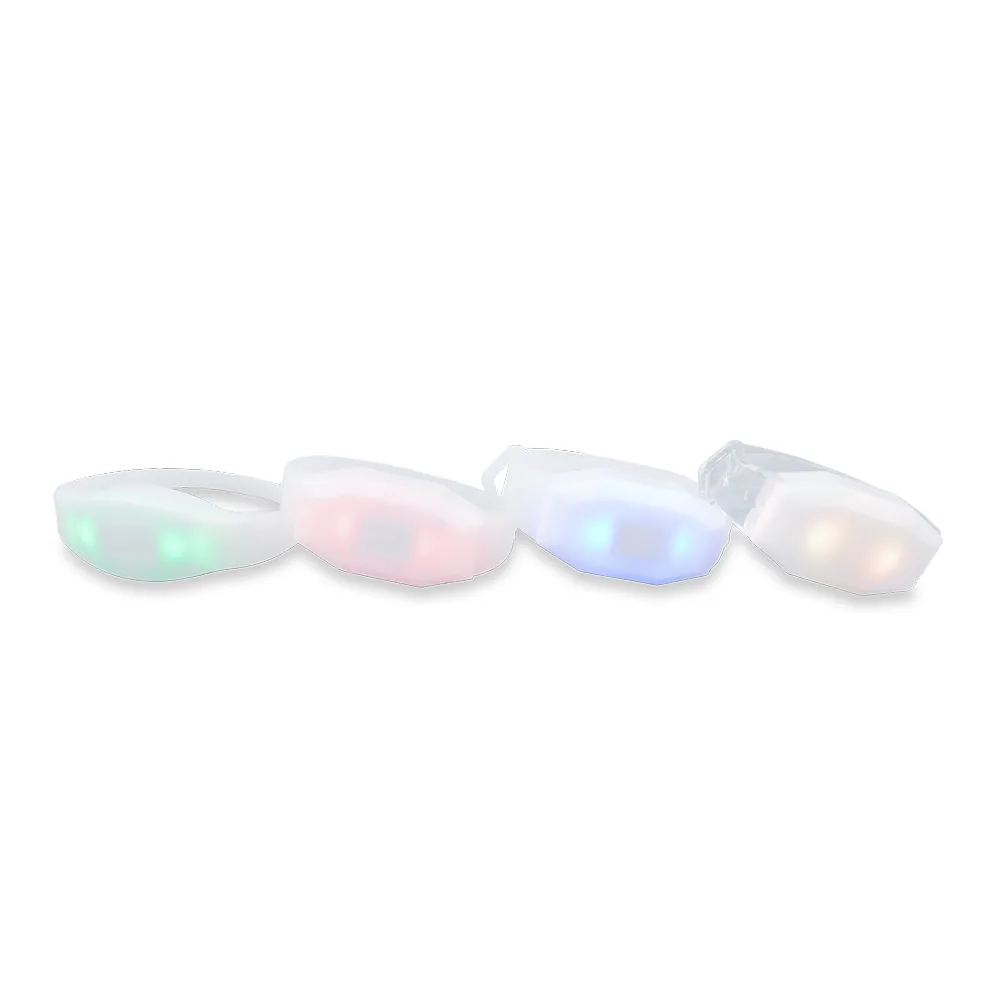
NFC LED wristbands
NFC LED wristbands for events, access control, engagement and tap-triggered light feedback.
Abrir esta familia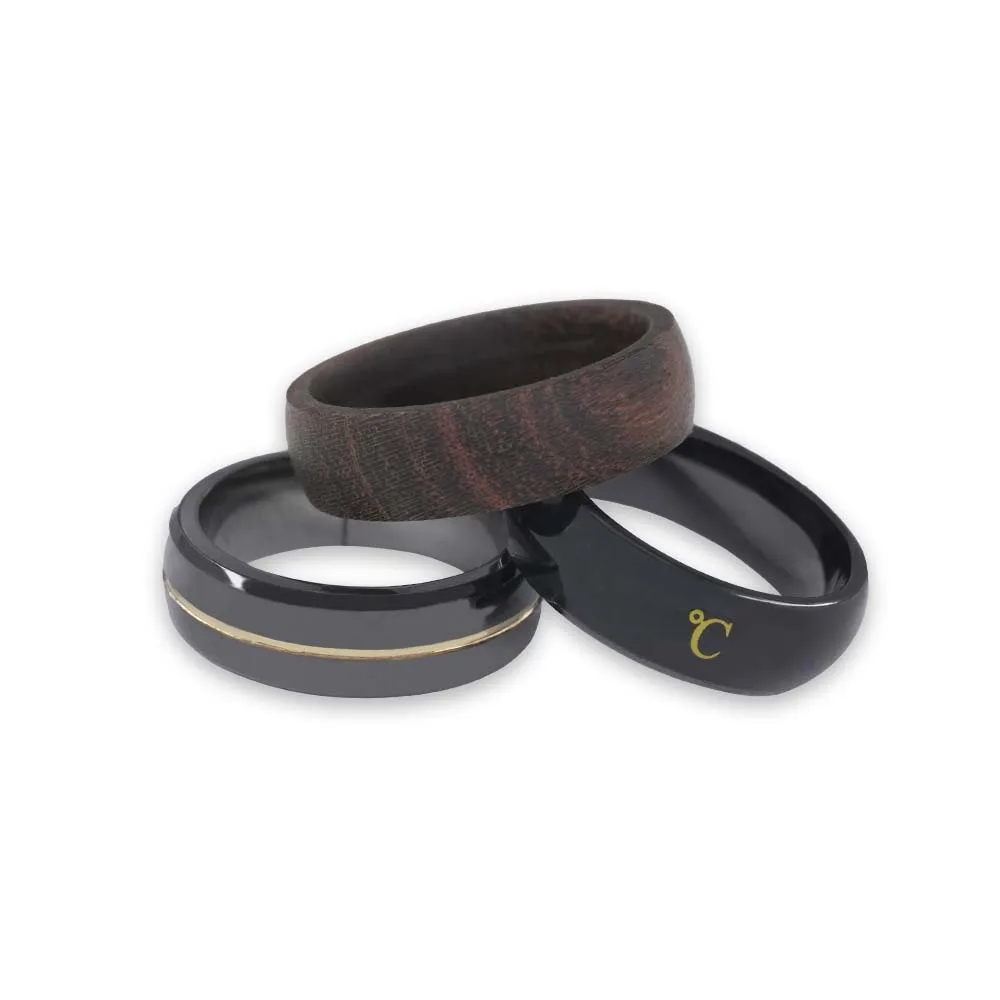
NFC rings
Wearable NFC ring constructions for tap-to-act identity, access and contactless convenience.
Abrir esta familia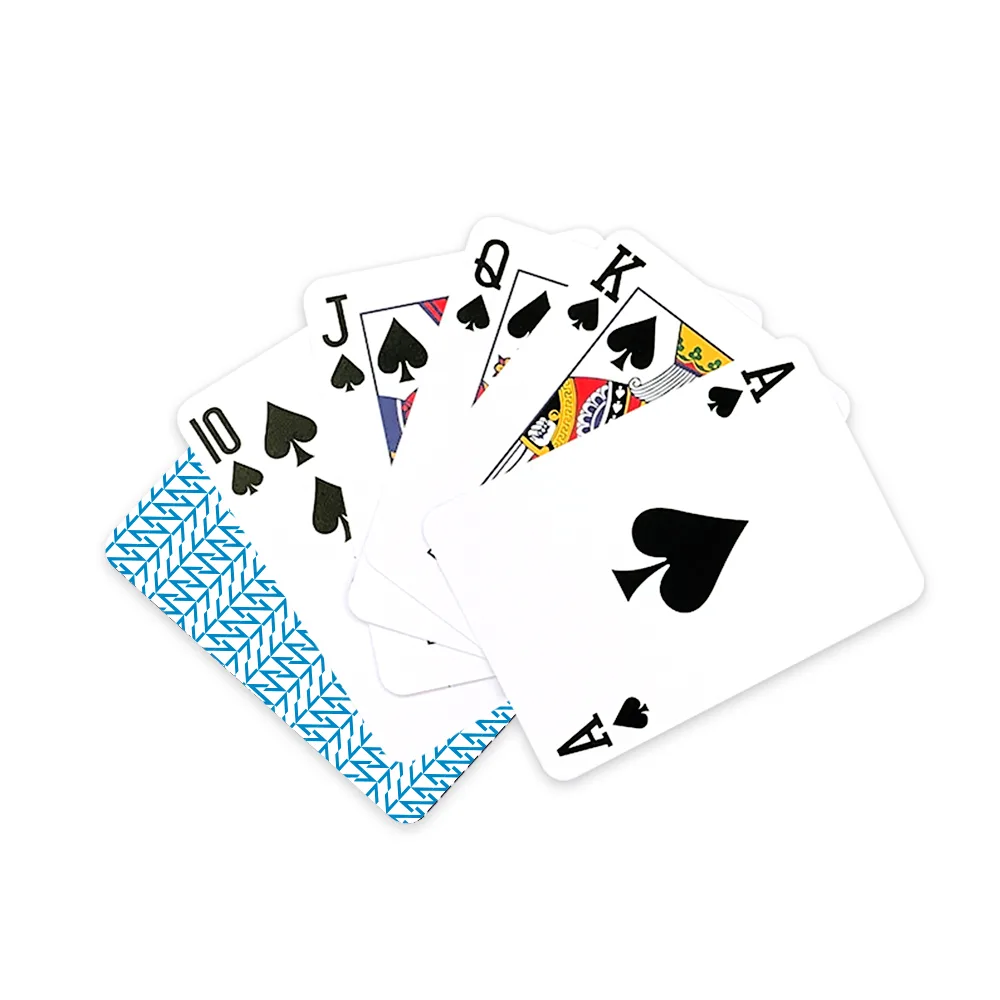
RFID playing cards
RFID playing cards with stacked-card reading for gaming tables and card-shoe workflows.
Abrir esta familia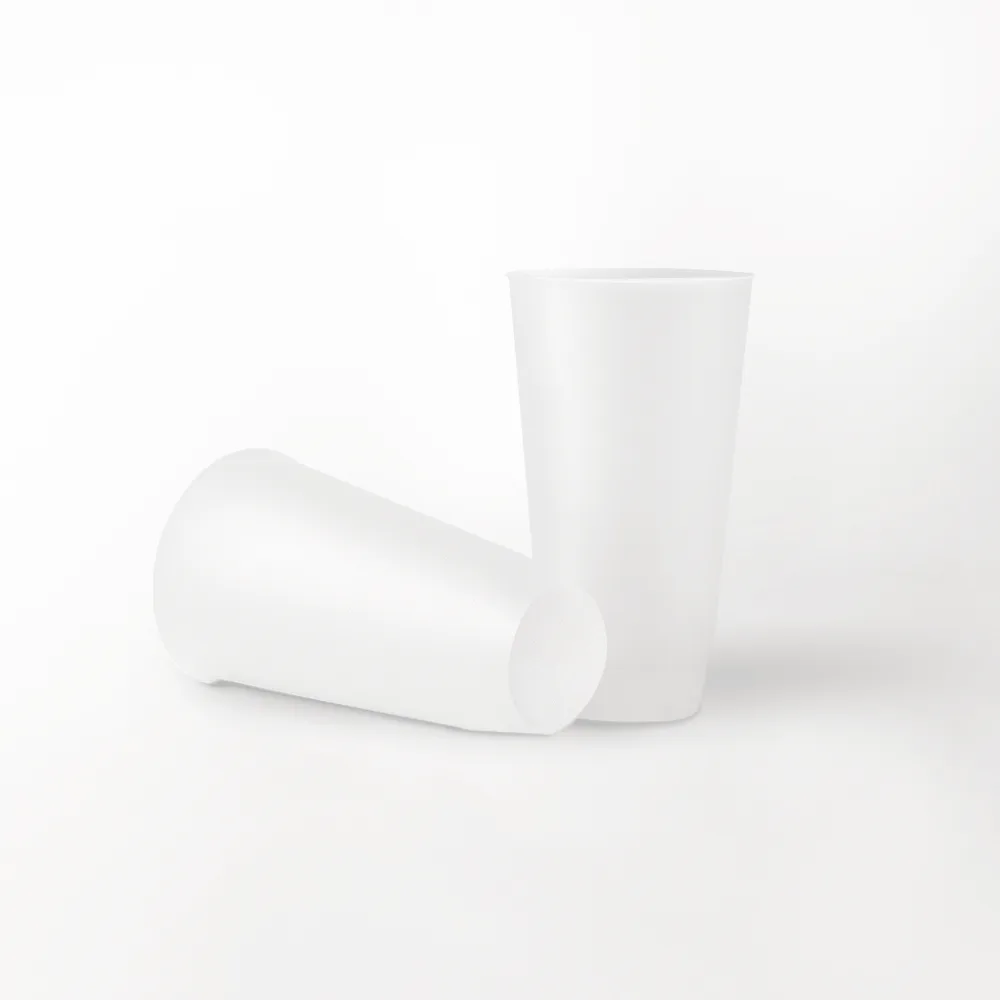
RFID recyclable cups
RFID-enabled cups for returnable cup pools, deposit tracking and closed-loop reuse workflows.
Abrir esta familia04 / CÓMO FUNCIONA LA SELECCIÓN
Tres preguntas
antes de un número de modelo.
¿Qué hay que identificar?
La unidad de identidad es lo primero: un cartón, un artículo serializado, una herramienta, un contenedor reutilizable o una persona. Si un cartón mixto debe resolverse a la vez como cartón y como artículo, define la jerarquía de tags antes de elegir el formato.
Leer la guía de selección de tags¿Cuál es la superficie y el punto de lectura?
El metal, el líquido, la curvatura y el empaque denso cambian el comportamiento de un tag; una puerta, un transportador y un conteo guiado por personas cambian lo que deben hacer el lector y la antena. Ambos lados se prueban juntos con artículos representativos.
Planificar una prueba de muestra¿Qué sistema recibe el evento?
Una lectura solo resulta útil cuando el sistema de destino acepta un evento definido con un responsable y una ruta de excepción. La selección de lector, antena y middleware sigue ese contrato en lugar de adelantarse a él.
Revisar la integración de sistemas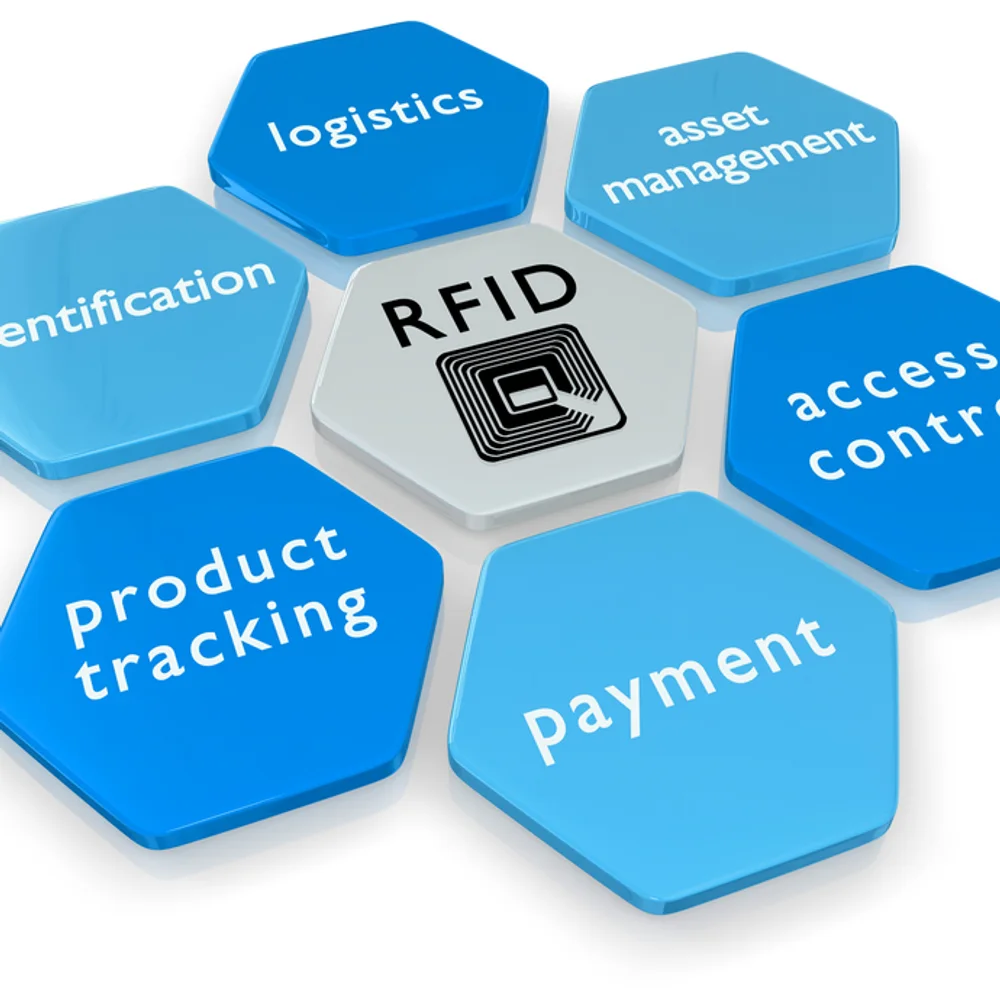
05 / PREGUNTAS FRECUENTES DEL PRODUCTO
Preguntas hechas
antes del primer presupuesto.
Start from the object and the moment it must be identified. Items that move through a person-led count usually begin with a handheld reader and media; a doorway, dock or workstation event usually begins with a fixed reader, antenna and a software handoff. Software and middleware matter in both cases, because the read only becomes useful when the destination system receives a clean event.
A single profile can cover a project-specific configuration while a media family can hold hundreds of catalogue entries, so a raw count says more about how the catalogue is filed than about the work in front of you. Each family page states the exact number of profiles it lists.
No. Where the catalogue publishes a figure it appears as a per-unit planning reference, not a quoted price. Radio region, configuration, certification, volume and destination change the real number, and those are confirmed at quote review.
Yes, and it is confirmed in writing rather than inferred from a catalogue page. Share the destination country, the item and the target read so the response can state the exact model, radio configuration, certification and lead time.
The request is routed to selection, sample testing, integration or deployment support. The next response recommends a representative test, a configuration review or a quote, depending on how much of the item and environment is already defined.
RFIDBRIDGE / INICIO DEL PROYECTO
Trae el artículo y
el objetivo de lectura.
Envía el material, el movimiento, el destino y la lectura objetivo. La siguiente respuesta recomendará una prueba representativa, una revisión de configuración o un presupuesto.
Request a project quote