RFID-Produkte für Lesegeräte, Tags, Etiketten und Software
Wählen Sie danach, was identifiziert werden muss und wo die Erfassung stattfindet, statt nach der Modellnummer. Jede Familie unten ist eine eigene Seite: Leser- und Medienformate für die stationäre, mobile und Print-Encode-Seite eines Workflows sowie Katalogsegmente für Tags, Labels, Karten und Inlays, die die Identität am Objekt tragen.
Erfassungsgeräte und Artikelmedien sind als getrennte Familien aufgeführt, weil ein Leserformat eine Handvoll verifizierter Profile listet, während eine Medienfamilie Hunderte von Katalogeinträgen fassen kann. Vergleichen Sie innerhalb einer Familie und bestätigen Sie Modell, Funkregion und Zertifizierung bei der Angebotsprüfung.
01 / DREI EINSTIEGE
Beginnen Sie mit der
Arbeit, nicht dem Modell.
Ich brauche die Leserseite
Handheld- und Festleser, Print-Encode-Stationen, Antennen, Portale und die dahinterliegende Middleware.
Gerätefamilien öffnen ROUTE 02Ich brauche die Tag- und Medienscite
Labels, Karten, Inlays, tragbare und industrielle Tags — die Konstruktionen, die die Identität am Objekt tragen.
Medienfamilien öffnen ROUTE 03Ich bin noch nicht sicher
Beschreiben Sie das Objekt, seine Bewegung und den Ort der Erfassung. Der Solution Finder grenzt die erste Konfiguration ein.
Solution Finder nutzen02 / ERFASSUNGSPUNKT UND MOBILE GERÄTE
Die Geräte, die die Erfassung durchführen.
Handheld-, Fest-, Desktop- und Print-Encode-Geräte sowie die Antennenkomponenten, die eine Erfassungszone formen. Jede Familie unten ist zunächst eine Formatentscheidung — wo die Erfassung stattfindet und wer den Ausnahmefall löst — bevor sie eine Modellentscheidung ist.
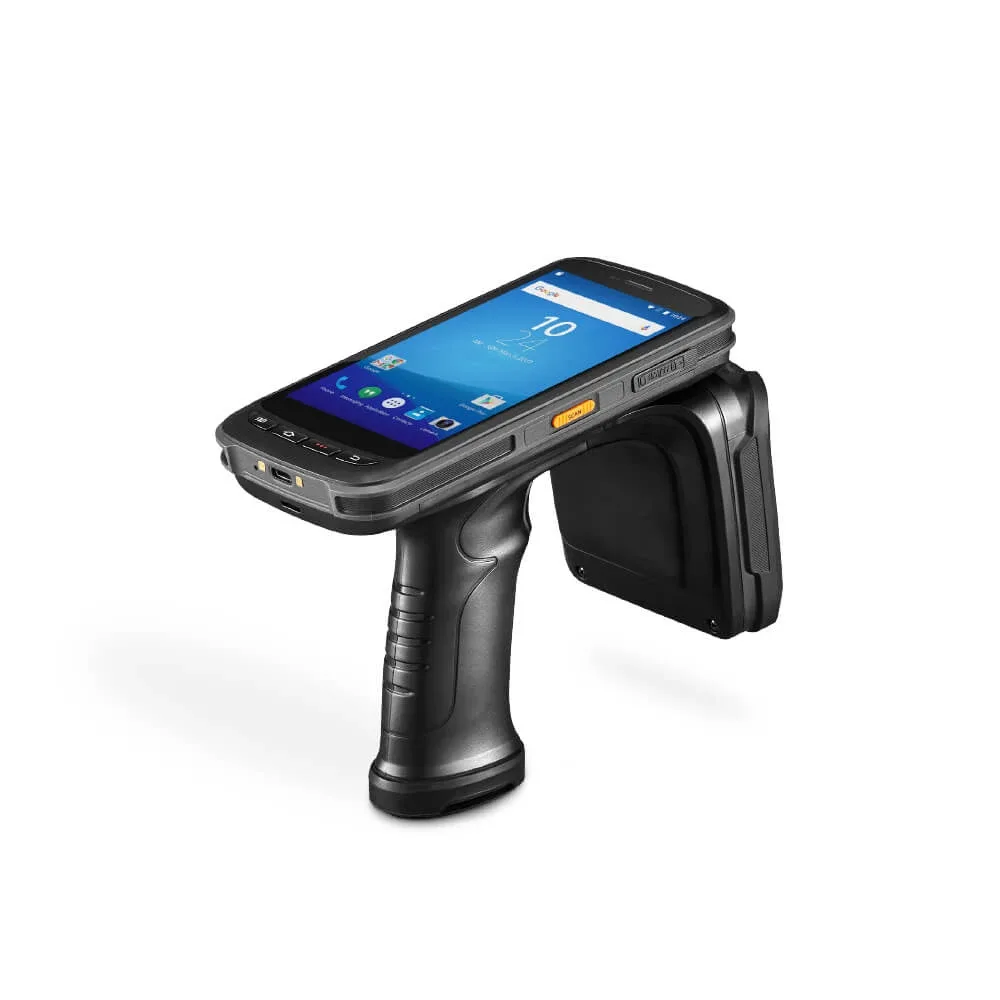
UHF RFID handheld readers
Rugged mobile readers and host-device sleds for inventory counts, receiving, asset checks and exception handling.
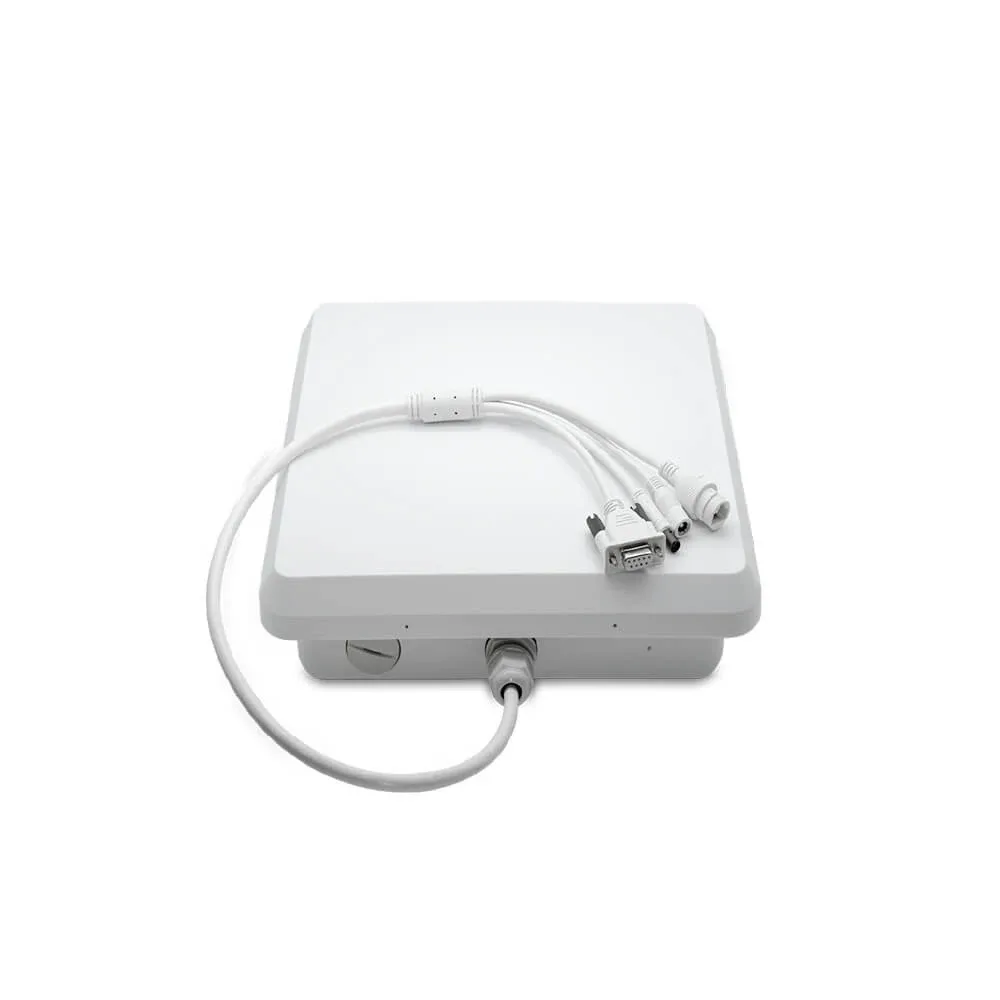
Fixed RFID readers
Reader configurations for controlled zones at docks, stations, portals and work cells.
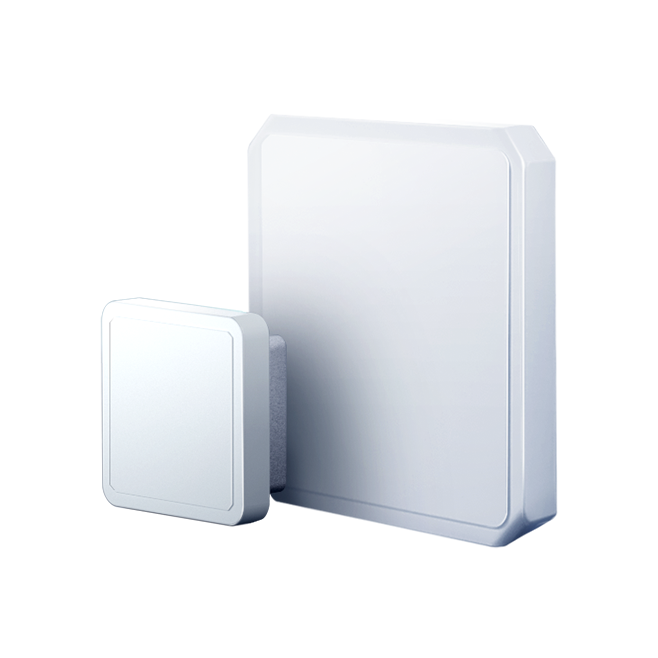
Desktop RFID readers
Close-range read and encode points for desks, packing benches and controlled verification.
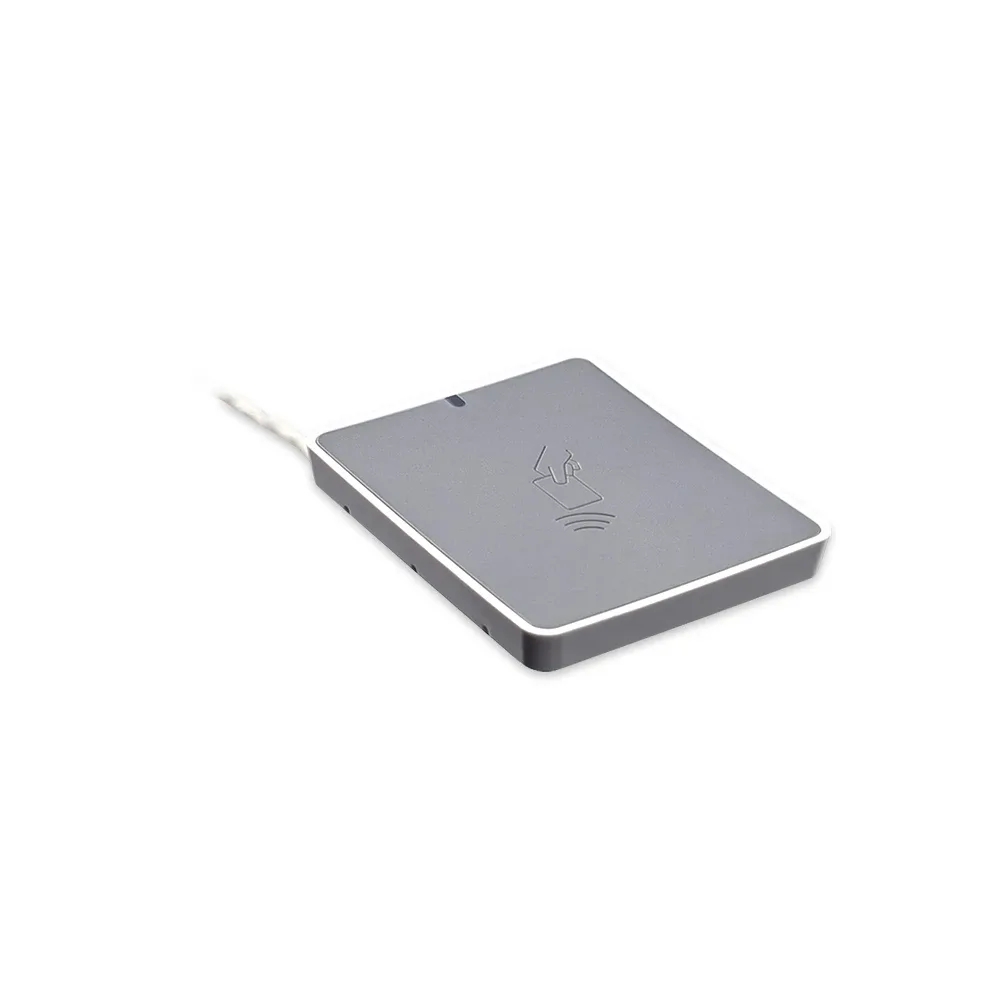
RFID readers (NFC/HF)
Desktop, fixed and mobile NFC/HF readers and reader-writers for controlled close-range read points.
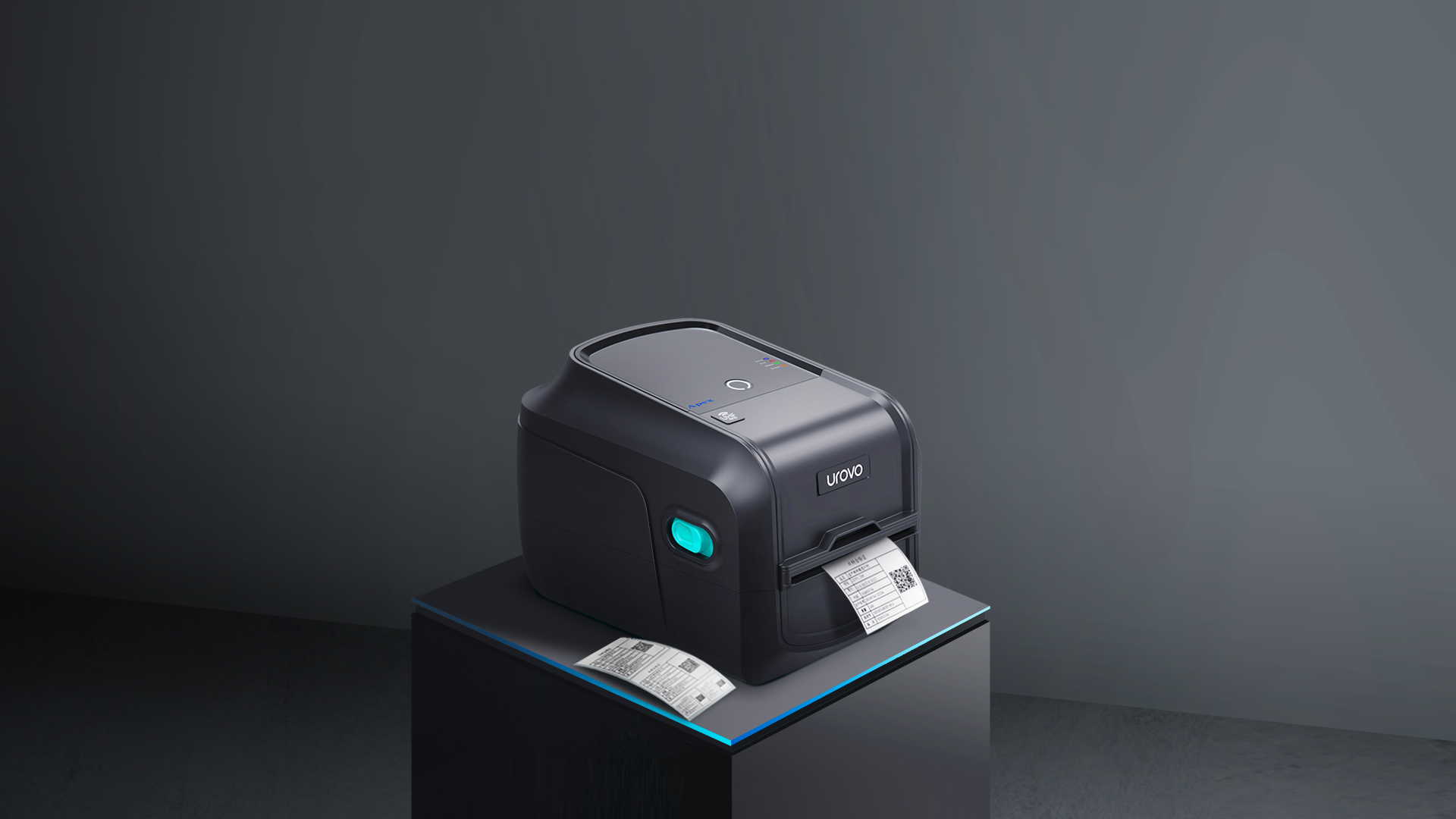
RFID printers and encoders
Print, encode and verify serialized RFID labels where identity enters the process.
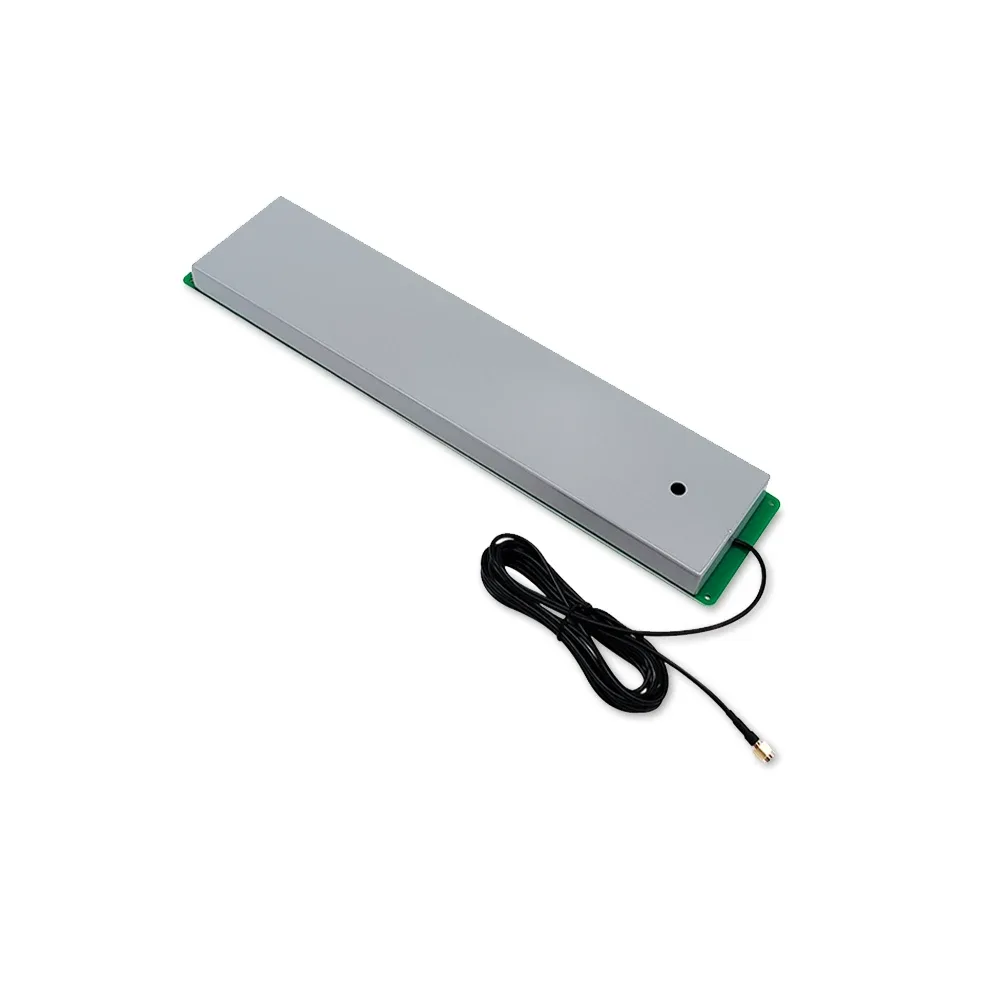
RFID antenna components
HF and UHF antenna components for fixed read points, trays and workstations where the antenna itself shapes the read zone.
03 / TAGS, LABELS UND MEDIEN
Die Identität, die am Objekt mitreist.
Labels, Karten, Inlays, tragbare und industrielle Tag-Konstruktionen. Hier ist der Katalog am tiefsten, und Oberfläche, Befestigung und Lebenszyklus entscheiden über das Format, lange bevor die Teilenummer es tut.
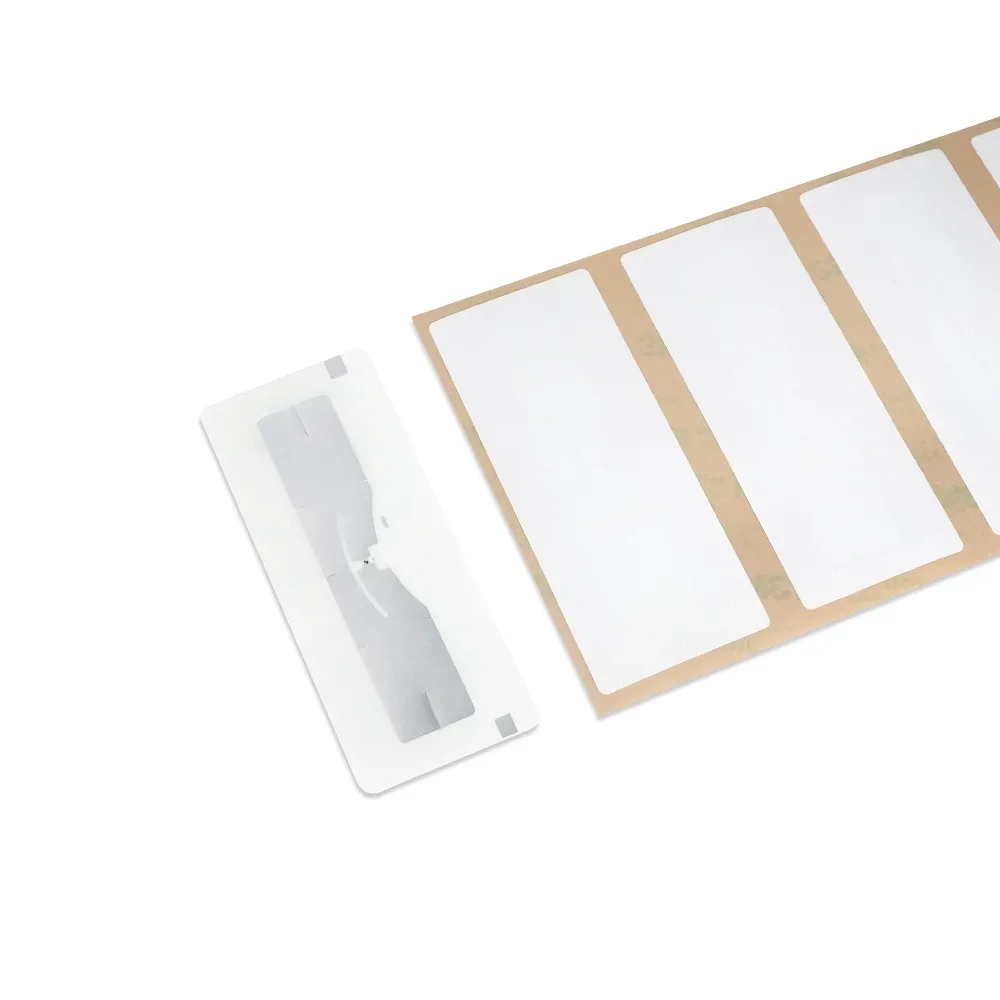
RFID labels
Adhesive UHF and HF labels for items, cartons and packaging across retail, logistics and industrial workflows.
Diese Familie öffnen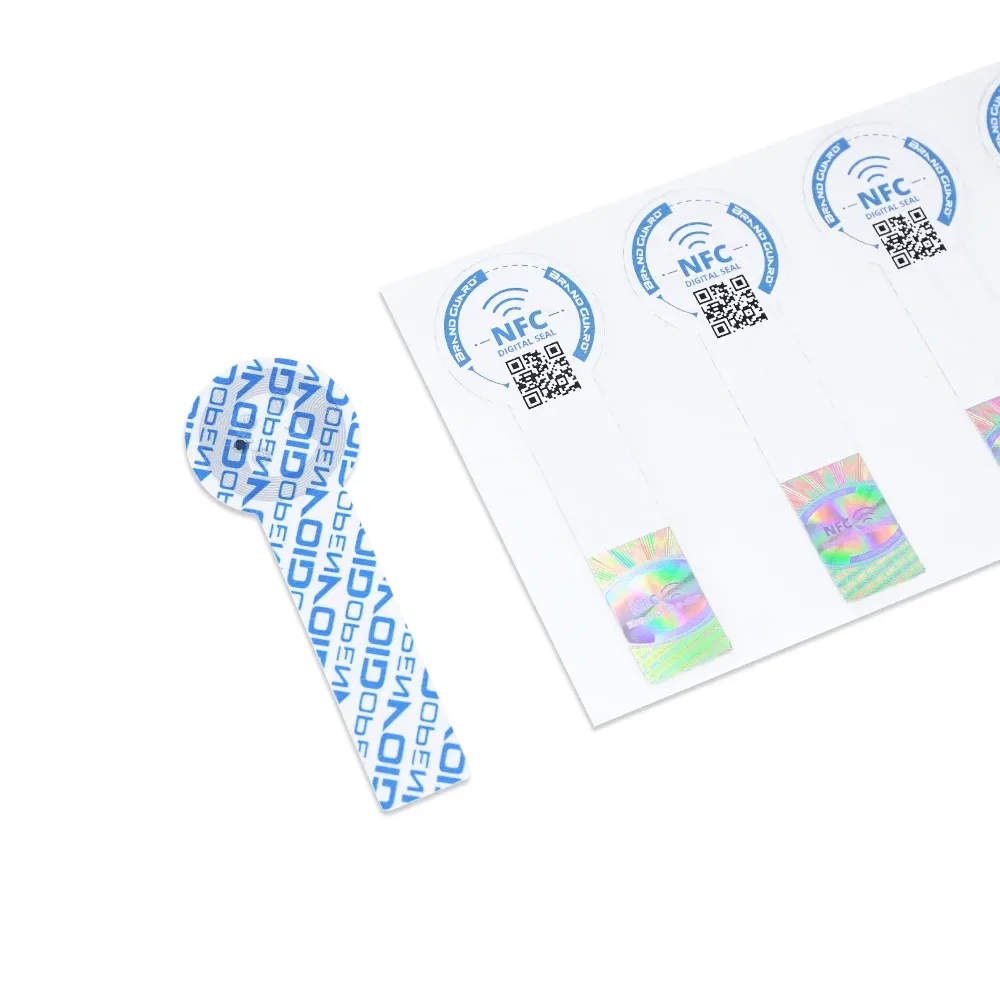
NFC labels
NFC-enabled adhesive labels for authentication, tap-to-verify and item-level customer interactions.
Diese Familie öffnen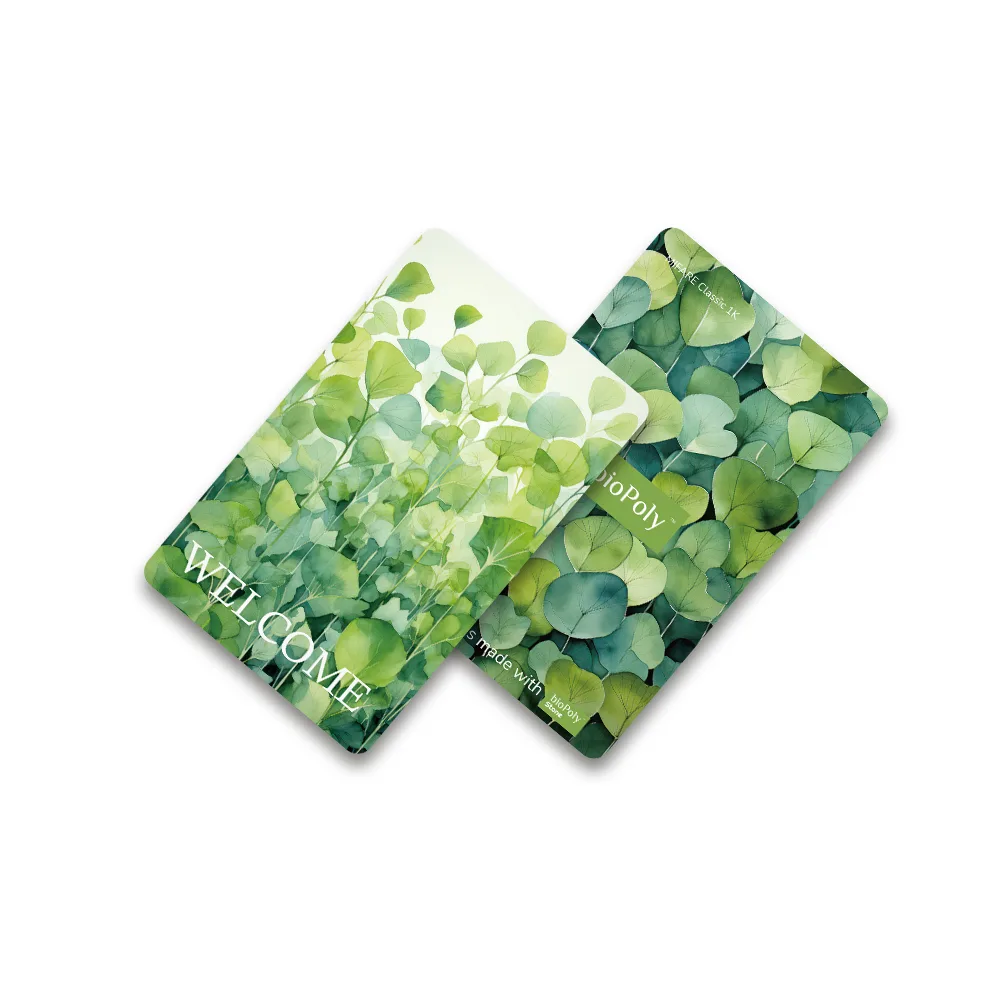
RFID cards
Contactless cards, key cards and customer cards for access, loyalty, identity and verification reads.
Diese Familie öffnen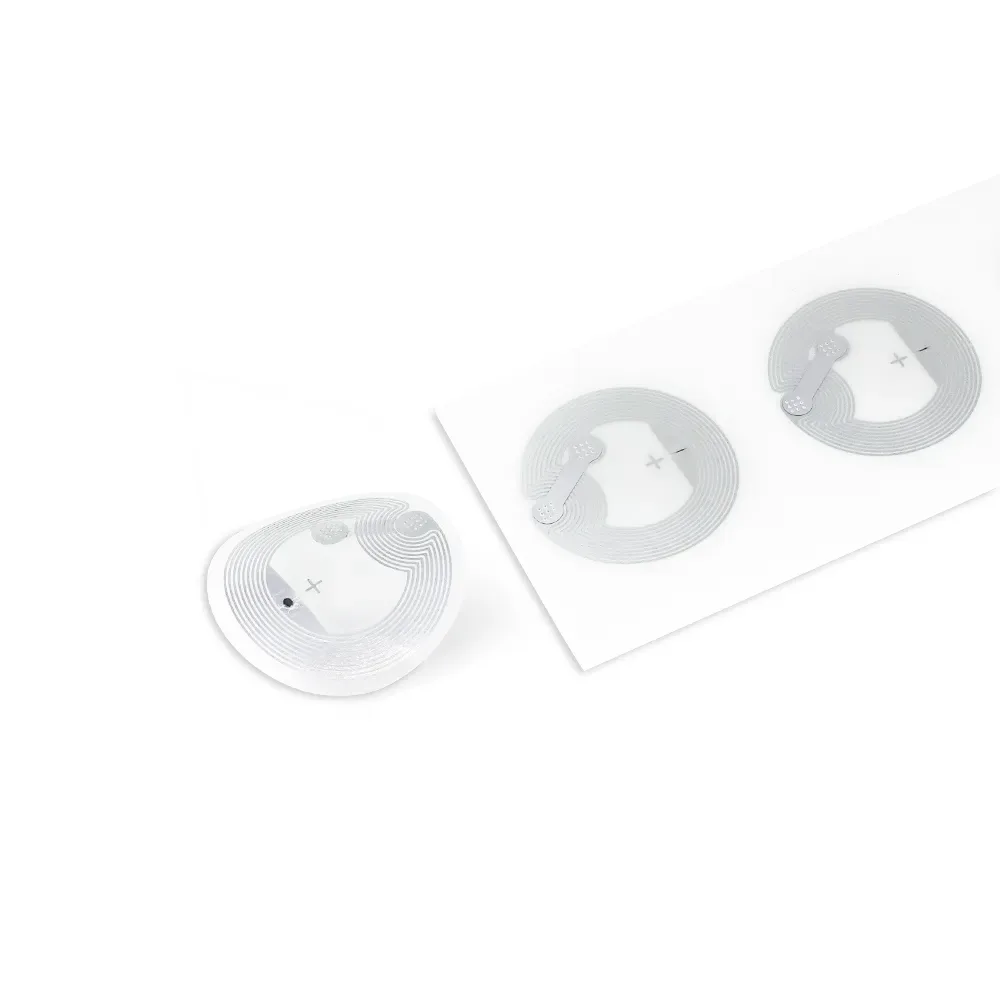
RFID inlays
Wet and dry inlays for label conversion, embedding and application-specific antenna formats.
Diese Familie öffnen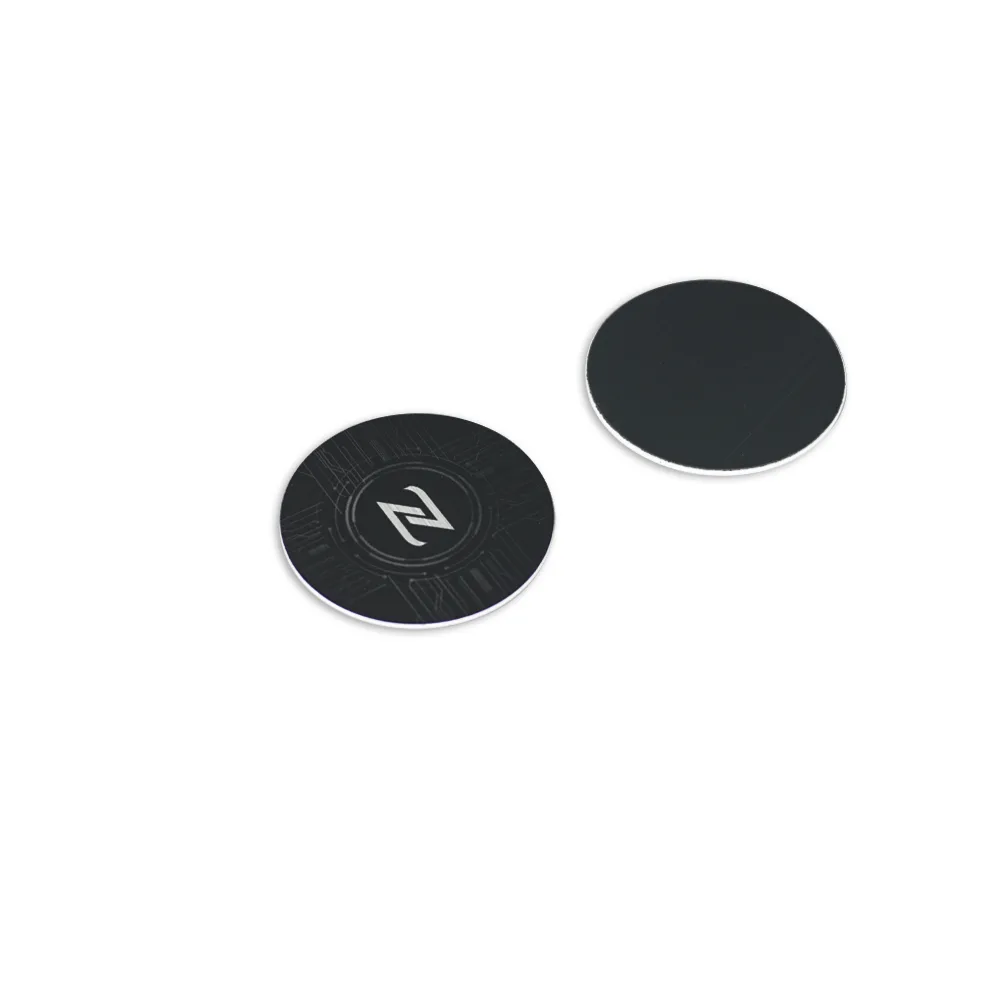
RFID industrial tags
Industrial-grade on-metal tags for harsh environments, long-range reads and repeatable asset identity.
Diese Familie öffnen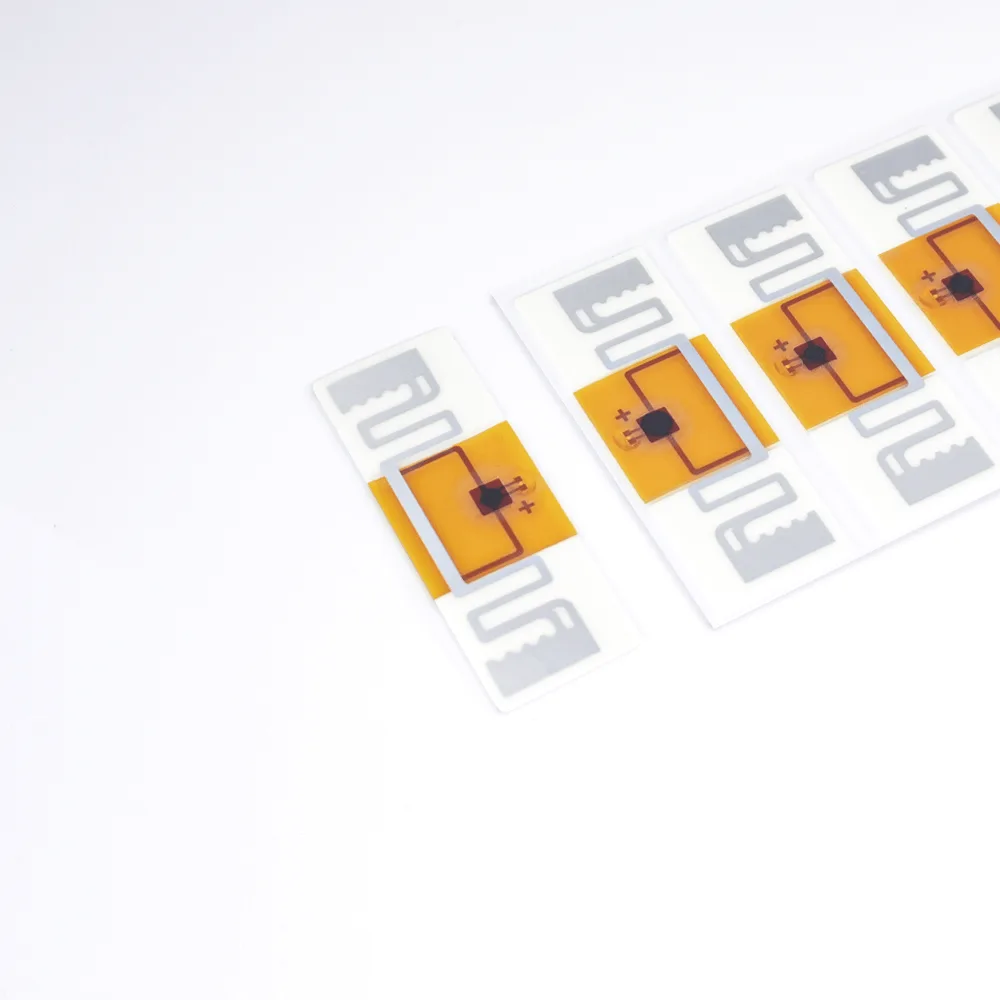
RFID LED tags
UHF on-metal tags with LED feedback to locate an asset visually during a search or cycle count.
Diese Familie öffnen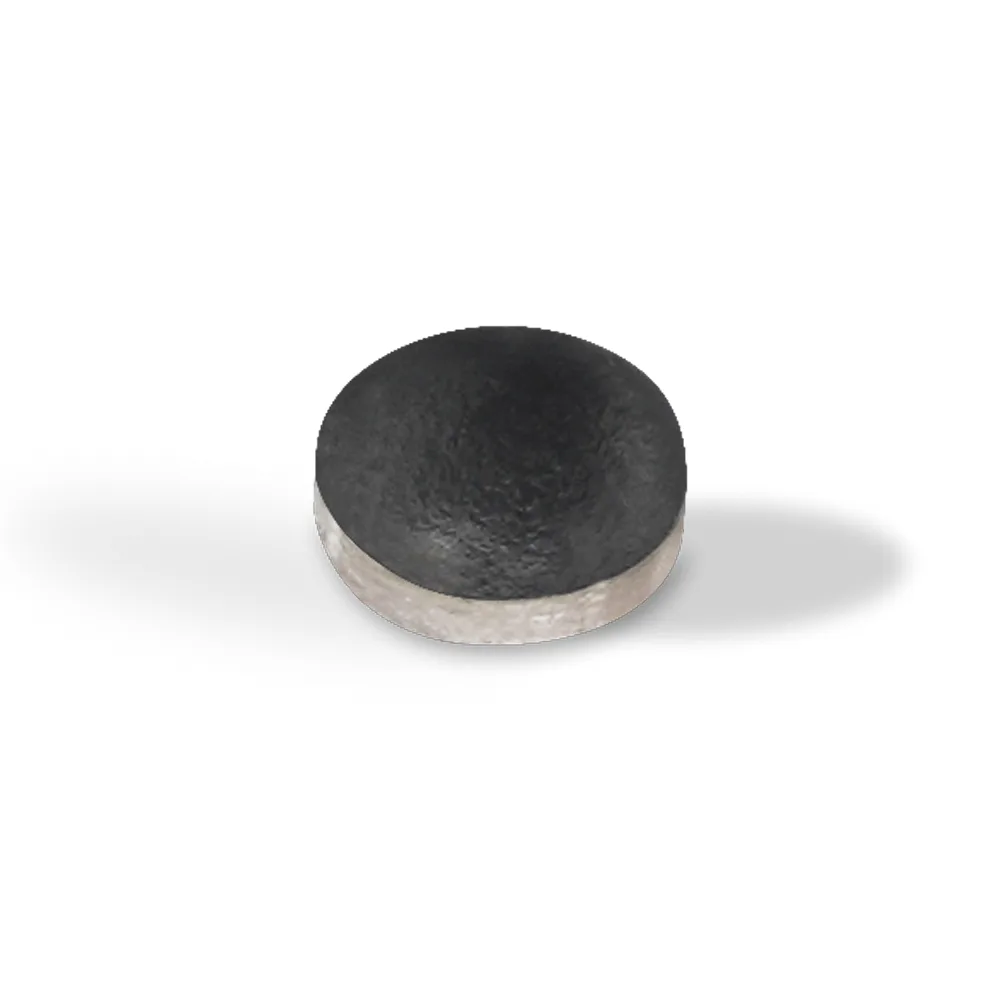
RFID PCB tags
PCB-based on-metal tags for industrial equipment, tools and reusable assets needing a rigid construction.
Diese Familie öffnen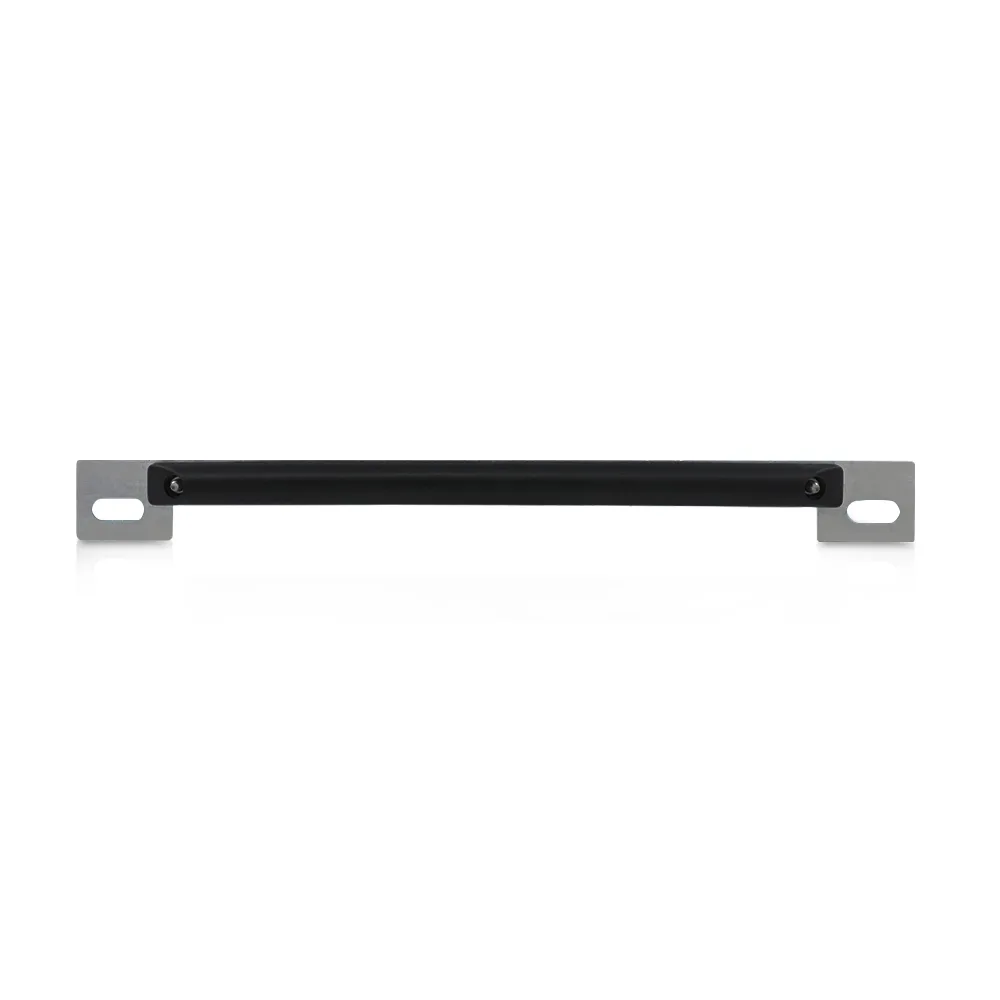
RFID license plate tags
On-metal license plate and vehicle tag constructions for fleet, yard and asset identification.
Diese Familie öffnen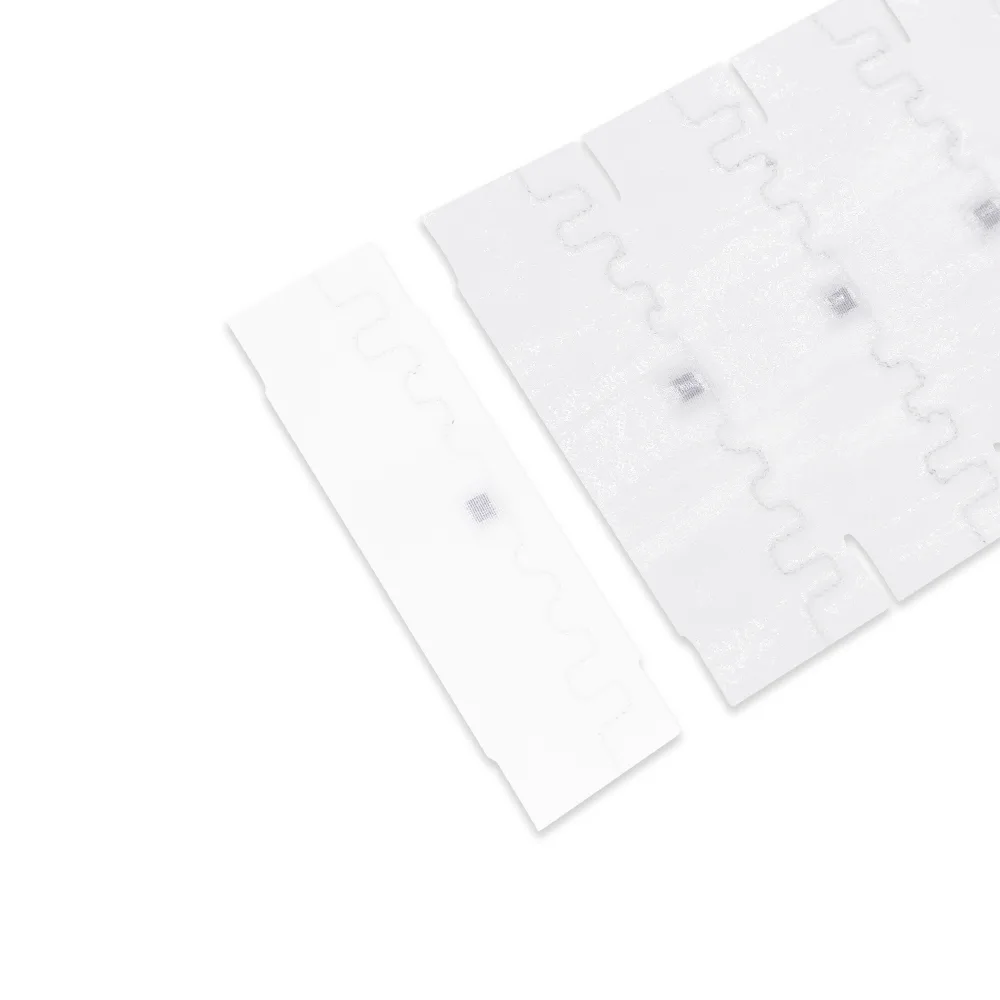
RFID laundry tags
Heat-press and PPS laundry tags for textile tracking through washing, drying and pressing cycles.
Diese Familie öffnen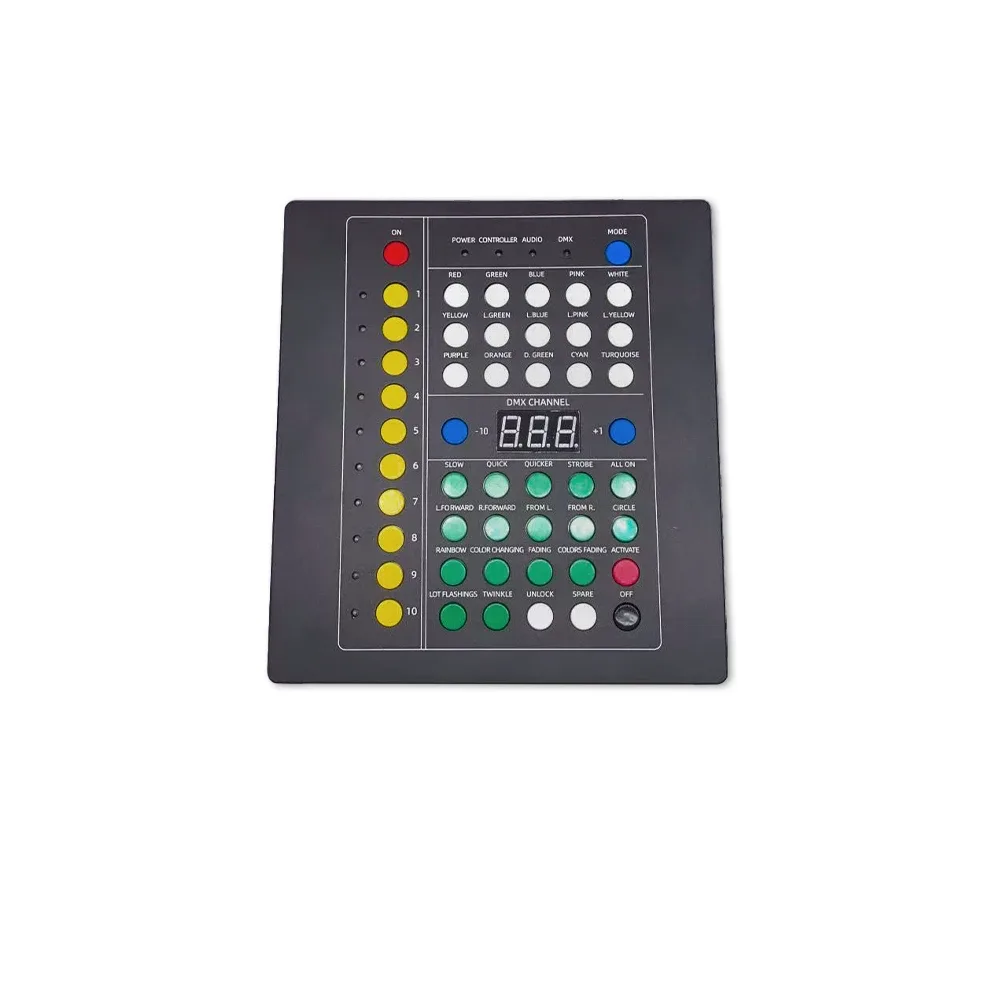
RFID wristbands
Silicone HF, LF and UHF wristbands for events, access, cashless payment and wearer identification, including the companion control units that drive them.
Diese Familie öffnen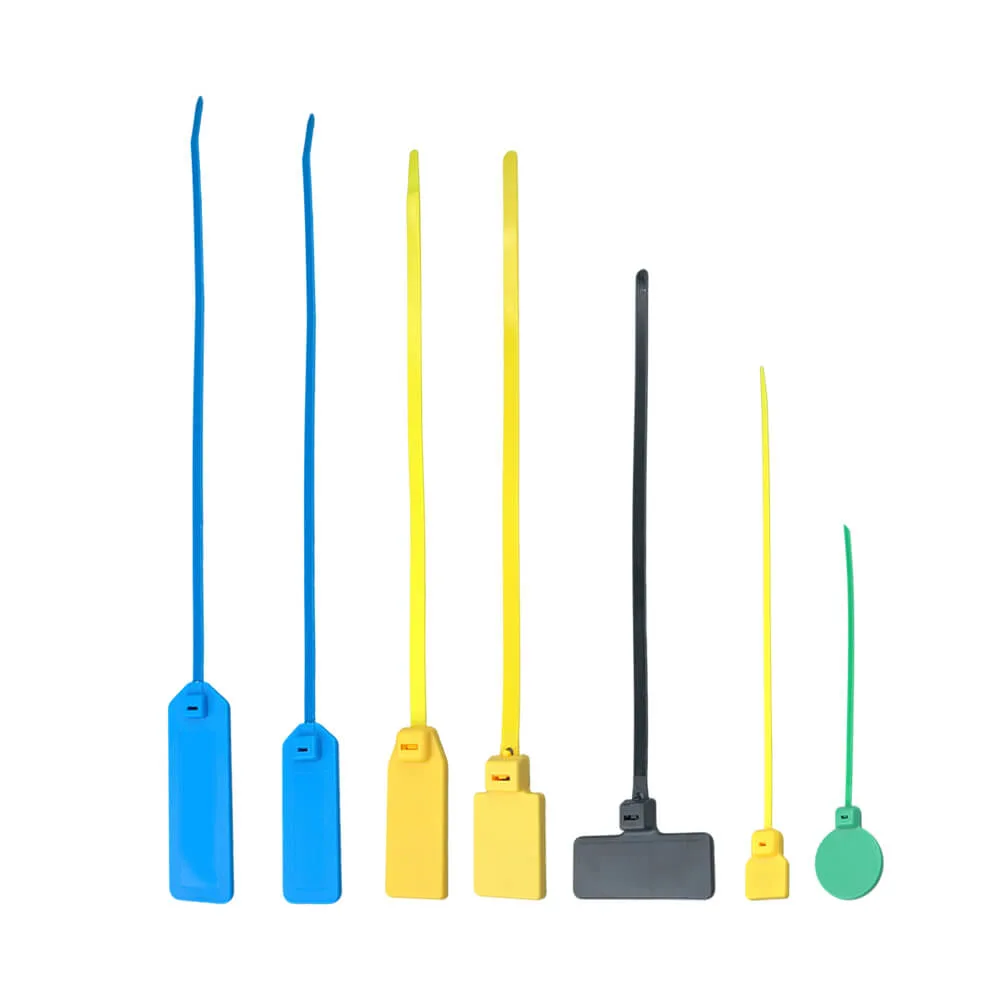
RFID cable tie tags
Cable-tie tag constructions for assets, cables, pipes and containers where a wrap-on attachment is required.
Diese Familie öffnen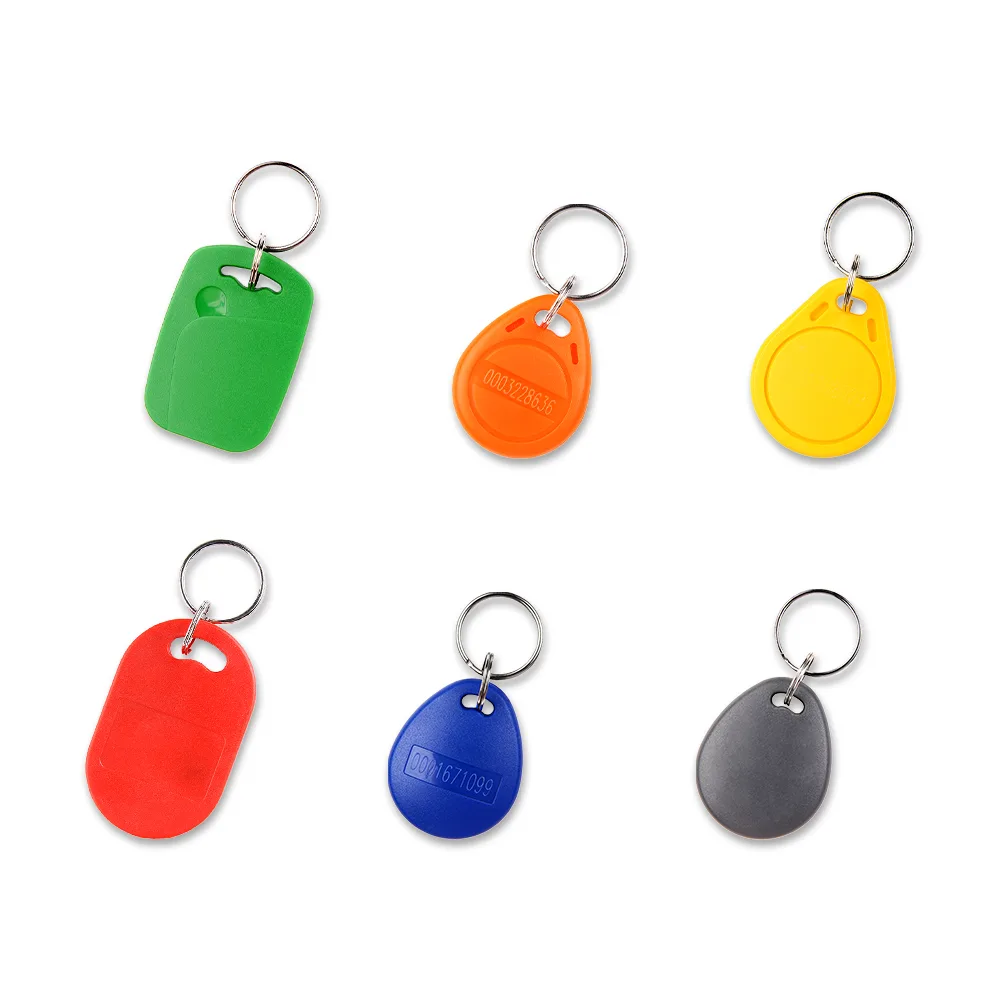
RFID key fobs
ABS key fobs and token formats for access, identity and asset ownership in carry-friendly form.
Diese Familie öffnen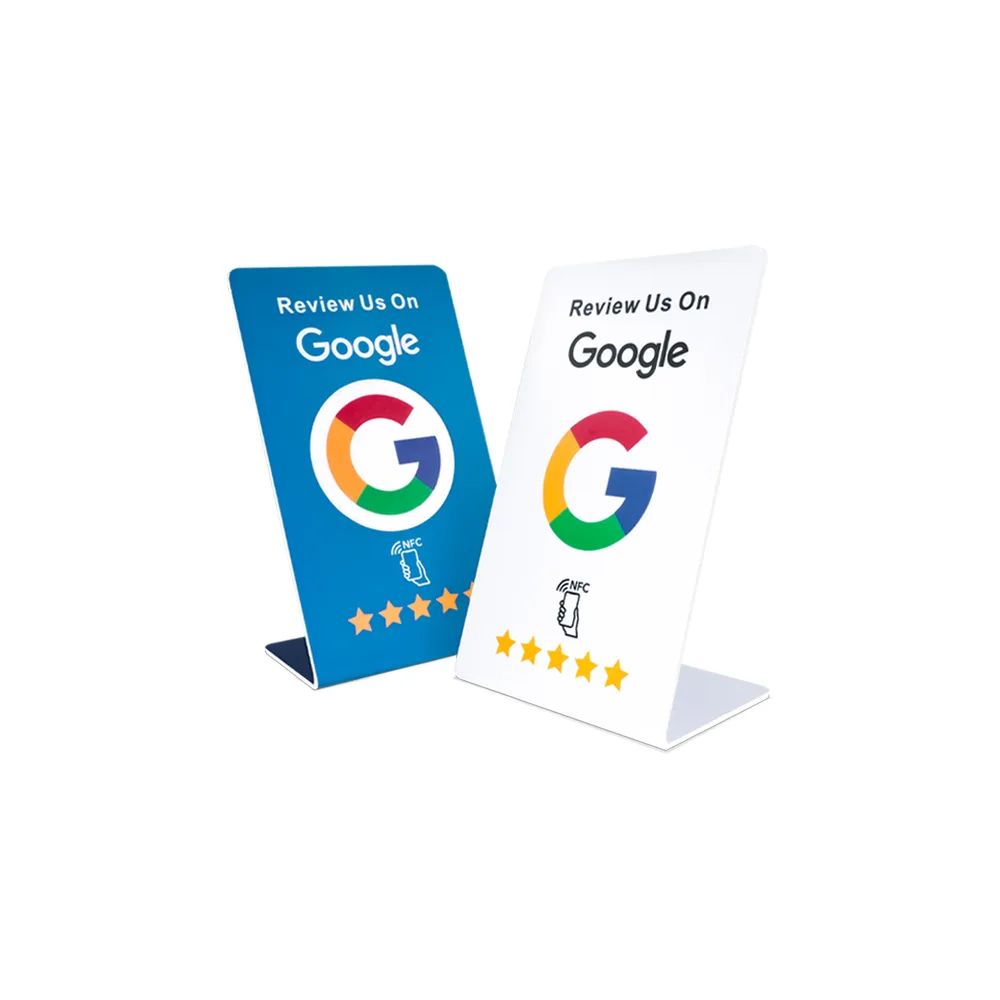
NFC review cards
PVC NFC review and feedback cards for tap-to-review, ratings and guided customer interactions.
Diese Familie öffnen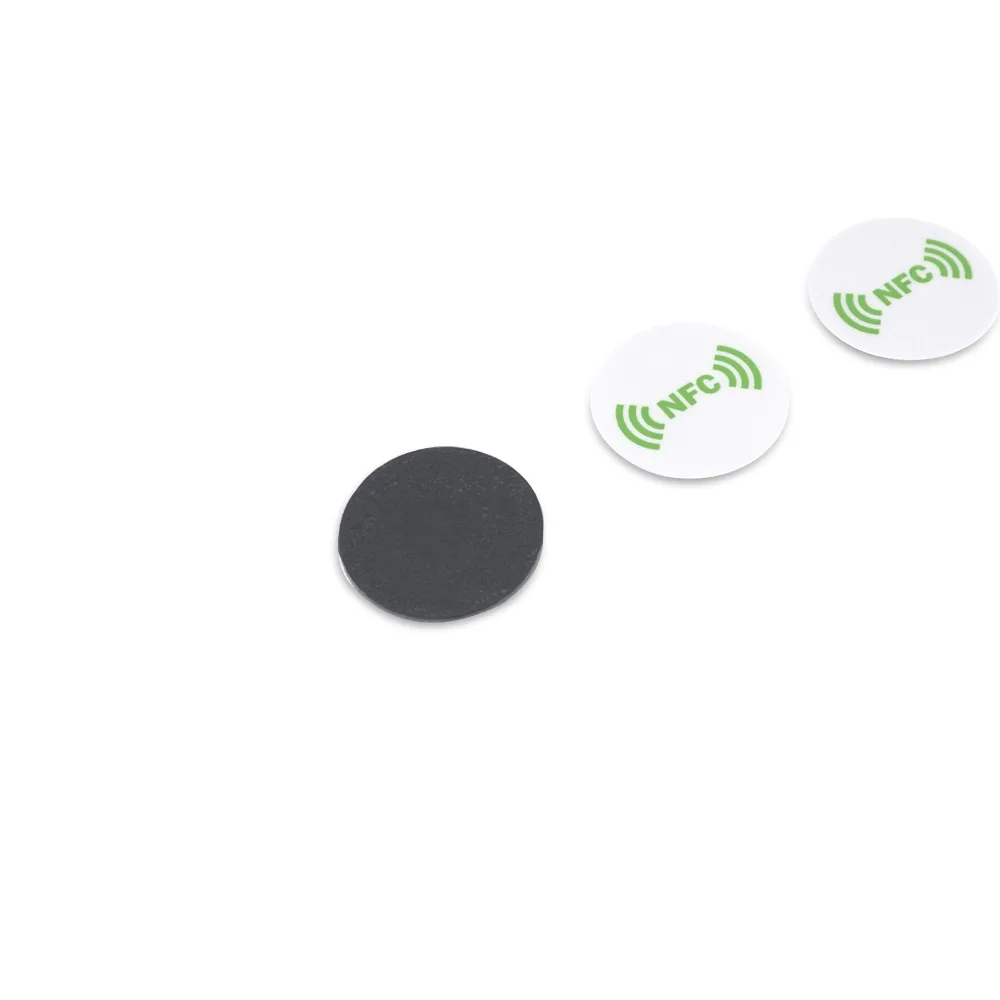
NFC garment badges
Silicon NFC garment badges for staff identity, tap-to-info and wearable brand interactions.
Diese Familie öffnen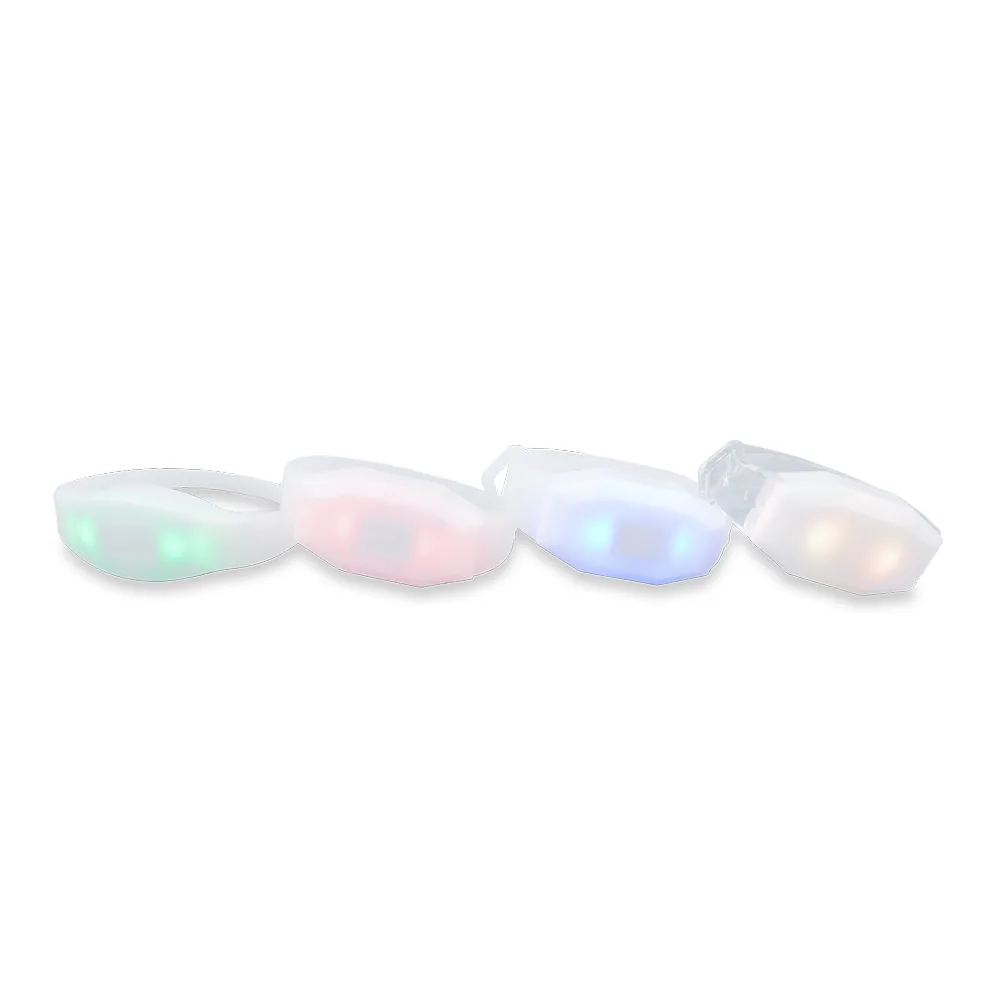
NFC LED wristbands
NFC LED wristbands for events, access control, engagement and tap-triggered light feedback.
Diese Familie öffnen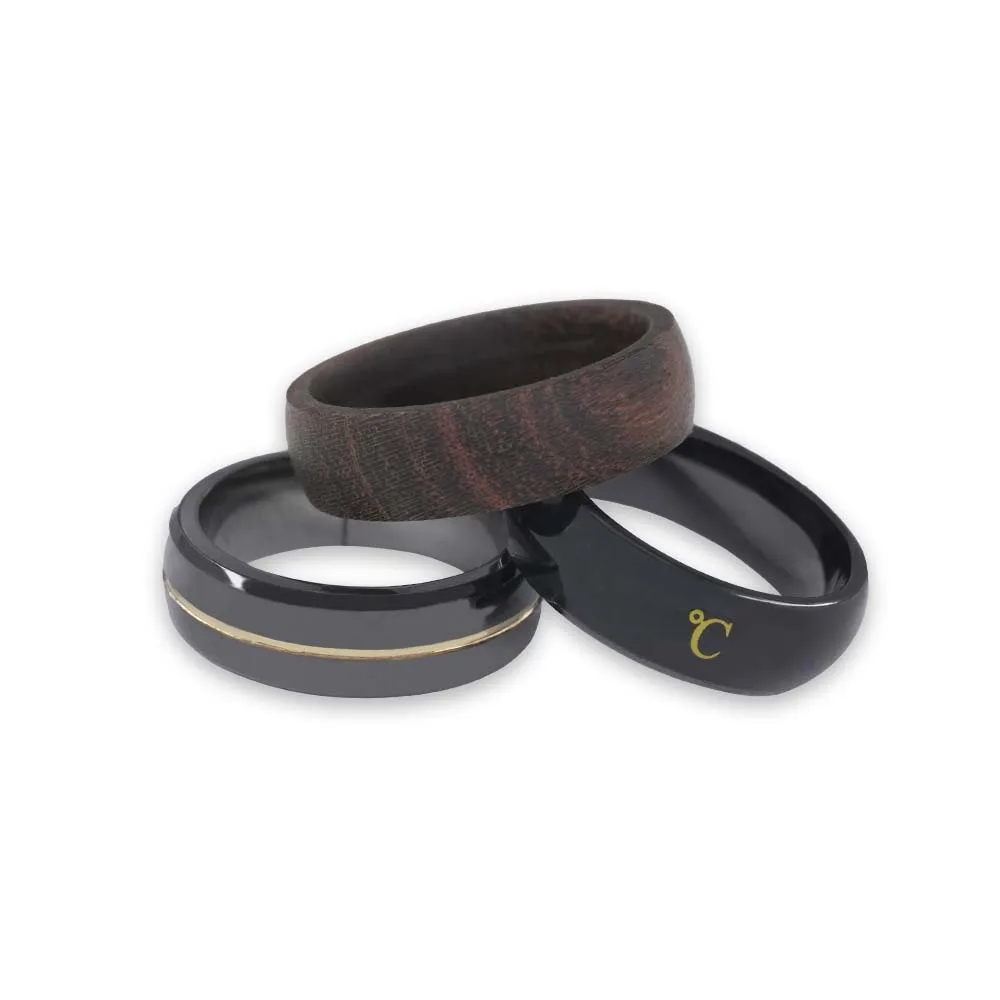
NFC rings
Wearable NFC ring constructions for tap-to-act identity, access and contactless convenience.
Diese Familie öffnen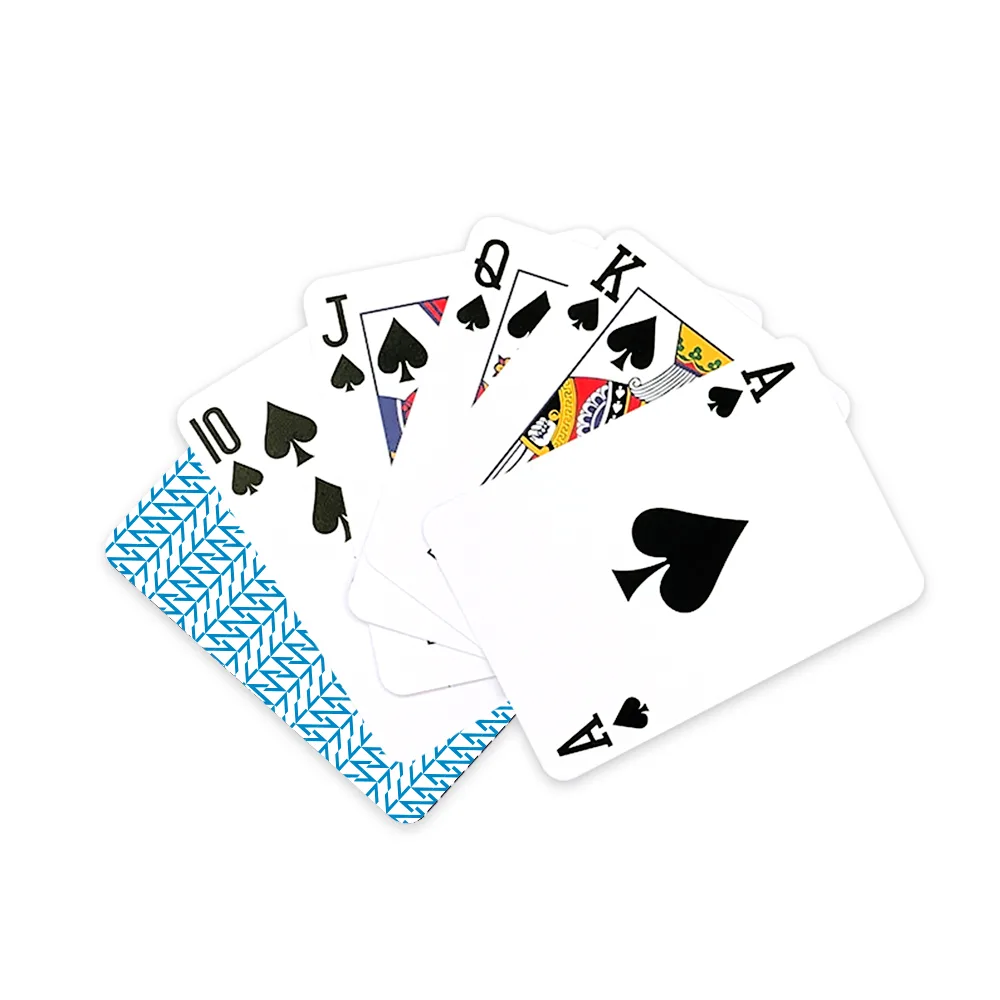
RFID playing cards
RFID playing cards with stacked-card reading for gaming tables and card-shoe workflows.
Diese Familie öffnen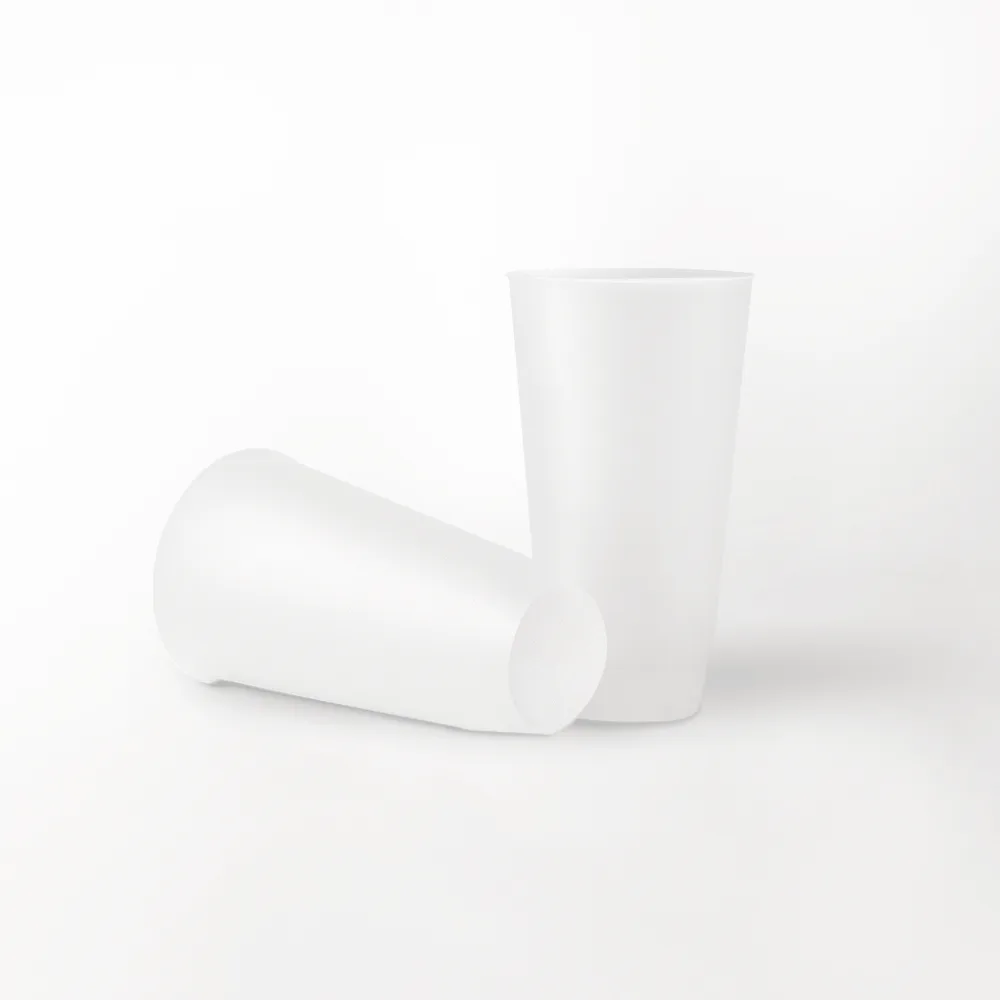
RFID recyclable cups
RFID-enabled cups for returnable cup pools, deposit tracking and closed-loop reuse workflows.
Diese Familie öffnen04 / SO FUNKTIONIERT DIE AUSWAHL
Drei Fragen,
bevor eine Modellnummer steht.
Was muss identifiziert werden?
Die Identitätseinheit steht zuerst: ein Karton, ein serialisiertes Objekt, ein Werkzeug, ein Mehrwegbehälter oder eine Person. Muss ein gemischter Karton sowohl als Karton als auch als Objekt aufgelöst werden, definieren Sie die Tag-Hierarchie, bevor Sie das Format wählen.
Tag-Auswahlleitfaden lesenWas sind Oberfläche und Erfassungspunkt?
Metall, Flüssigkeit, Krümmung und dichte Packung verändern das Verhalten eines Tags; eine Türöffnung, ein Förderband und eine personengeführte Zählung verändern, was Leser und Antenne leisten müssen. Beide Seiten werden zusammen an repräsentativen Objekten getestet.
Mustertest planenWelches System erhält das Ereignis?
Eine Erfassung wird erst nützlich, wenn das Zielsystem ein definiertes Ereignis mit Verantwortlichem und Ausnahmepfad akzeptiert. Die Auswahl von Leser, Antenne und Middleware folgt diesem Vertrag, statt ihm vorauszugehen.
Systemintegration prüfen
05 / PRODUKT-FAQ
Fragen, die vor dem
ersten Angebot gestellt werden.
Start from the object and the moment it must be identified. Items that move through a person-led count usually begin with a handheld reader and media; a doorway, dock or workstation event usually begins with a fixed reader, antenna and a software handoff. Software and middleware matter in both cases, because the read only becomes useful when the destination system receives a clean event.
A single profile can cover a project-specific configuration while a media family can hold hundreds of catalogue entries, so a raw count says more about how the catalogue is filed than about the work in front of you. Each family page states the exact number of profiles it lists.
No. Where the catalogue publishes a figure it appears as a per-unit planning reference, not a quoted price. Radio region, configuration, certification, volume and destination change the real number, and those are confirmed at quote review.
Yes, and it is confirmed in writing rather than inferred from a catalogue page. Share the destination country, the item and the target read so the response can state the exact model, radio configuration, certification and lead time.
The request is routed to selection, sample testing, integration or deployment support. The next response recommends a representative test, a configuration review or a quote, depending on how much of the item and environment is already defined.
RFIDBRIDGE / PROJEKTSTART
Bringen Sie das Objekt und
das Erfassungsziel mit.
Senden Sie Material, Bewegung, Zielort und Erfassungsziel. Die nächste Antwort empfiehlt einen repräsentativen Test, eine Konfigurationsprüfung oder ein Angebot.
Request a project quote