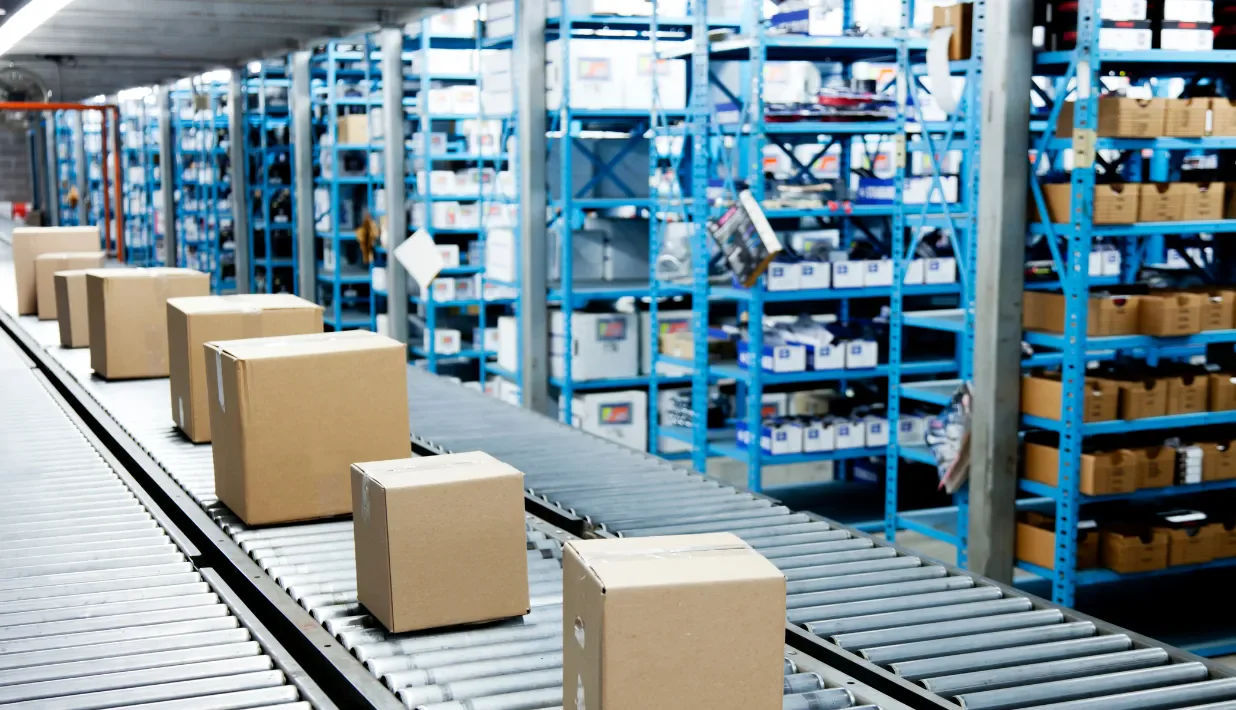
A stable read is designed. These notes frame the decisions that turn a reader output into a controlled operating event.
01 / GHI CHÚ THỰC ĐỊA
Control the zone
Use antenna direction, power, shielding, triggers and item flow to define where a read becomes meaningful. Include nearby items and traffic that should remain outside the event.
02 / GHI CHÚ THỰC ĐỊA
Define the event window
Name the item or load unit, movement, direction, trigger, timing and system action that make an observation relevant. A read point without an event boundary cannot distinguish visibility from a business action.
03 / GHI CHÚ THỰC ĐỊA
Deduplicate the signal
A tag can be read more than once. Apply timing, location, identity and workflow-state rules before posting movement, count or handoff to a system.
04 / GHI CHÚ THỰC ĐỊA
Design the exception
State what an operator or system does when a tag is missing, duplicated, unexpected, delayed or out of sequence. Give the exception an owner and a recoverable reason.
05 / GHI CHÚ THỰC ĐỊA
Validate the handoff
Record the raw observation, normalized event, receiving-system response and retry or rejection behavior. Test the interface with representative items and the same negative cases used in the physical zone.
06 / GHI CHÚ THỰC ĐỊA
Document the baseline
Keep configuration, tag placement, physical layout, test conditions, event rules and acceptance results with the deployment record. Re-test when the site, item mix or workflow changes.
Hãy nêu vật liệu, chuyển động, mục tiêu đọc và ngữ cảnh hệ thống trong yêu cầu mẫu hoặc báo giá.
Request a sample test